
Business
U.S. Government Shutdown Enters 31st Day as Patience Runs Thin

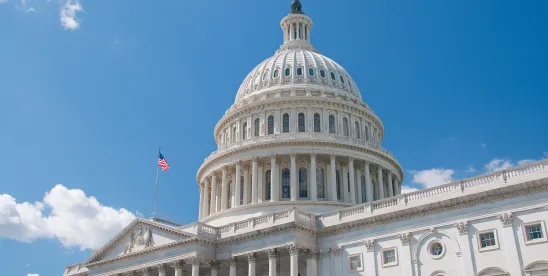
The federal government shutdown in the United States has reached its 31st day as of October 31, 2025, raising concerns about its potential to surpass the previous record of thirty-five days set between 2018 and 2019. If the shutdown extends beyond November 5, it will become the longest in U.S. history. This week, Republican leaders in the Senate abandoned plans to vote on bills aimed at providing pay for military personnel and essential workers, along with funding for the Supplemental Nutrition Assistance Program (SNAP).
Despite the ongoing impasse, there are signs of dialogue among senators, reflecting growing urgency as the shutdown’s consequences become increasingly severe. On November 1, the U.S. Department of Agriculture (USDA) plans to cease funding for SNAP benefits, prompting twenty-five states and the District of Columbia to file a legal challenge. They argue that the USDA possesses sufficient funds to cover November’s SNAP benefits, stating that the decision to suspend them is unlawful and arbitrary under the Administrative Procedure Act.
In a significant ruling, Judge Indira Talwani of the U.S. District Court for the District of Massachusetts deemed the USDA’s decision to halt SNAP benefits “unlawful.” She has ordered the administration to clarify by November 3 how it intends to fund aid for November. Following this, Judge John J. McConnell, Jr., overseeing a related case in Rhode Island, directed the Trump administration to utilize an emergency reserve to ensure timely distribution of contingency funds for the upcoming payments.
The American Federation of Government Employees (AFGE), which represents approximately 820,000 federal workers, has intensified pressure on lawmakers. In a statement on October 27, AFGE National President Everett Kelley urged Congress to reopen the government immediately under a clean continuing resolution, allowing for further debate on broader budgetary issues.
As the deadline for open enrollment for Affordable Care Act coverage approaches on November 1, millions of Americans face potential increases in health care costs. The absence of extended subsidies, which many Democrats aim to include in a funding package, could mean significant financial burden for households.
Military personnel are also feeling the strain of the ongoing shutdown. Although they are set to receive their second paycheck for October this weekend, the administration has indicated that funds may not be available for the next pay period on November 15.
In a notable regulatory shift, the U.S. Citizenship and Immigration Services (USCIS) has announced an interim final rule to end the automatic extension of employment authorization documents for certain foreign nationals who apply for renewals. Previously, these documents were automatically extended for 540 days during processing delays, but the new rule could leave many individuals without work authorization if their applications are not processed in a timely manner.
In other developments, the U.S. Equal Employment Opportunity Commission (EEOC) has regained a quorum with the swearing-in of Brittany Panuccio, confirmed by the Senate on October 7. Panuccio’s arrival is expected to invigorate the commission’s agenda, which had been impacted by previous vacancies.
Additionally, the Trump administration is pushing for faster deregulation. Jeffrey Bossert Clark, Sr., the acting administrator for the Office of Information and Regulatory Affairs (OIRA), issued a memorandum directing agencies to streamline their review processes for deregulatory actions. This includes setting maximum review periods for rescinding standard and unlawful rules.
On the border security front, U.S. Customs and Border Protection (CBP) has finalized a rule requiring all aliens to be photographed upon entry and exit from the United States, effective December 26, 2025. The regulation aims to enhance biometric data collection at various points of departure.
In environmental matters, a recent Senate resolution aimed at rescinding a Biden-era rule concerning barred owls in the Pacific Northwest failed to pass. The resolution sought to halt plans by the U.S. Department of the Interior’s Fish and Wildlife Service to manage the barred owl population, which poses a threat to the endangered northern spotted owl. The resolution was rejected with a vote of 25 to 72.
As the situation evolves, the implications of the government shutdown continue to affect a wide range of sectors, highlighting the urgency for lawmakers to reach a resolution.

Urgent: Vehicle Fire Closes Two Lanes on I-215 in Salt Lake City

Knicks Dominate Raptors 116-94, Extend Home Winning Streak

Hallmark’s ‘Christmas at the Catnip Café’ Premieres Tonight

Woman Arrested for Threatening U-Haul Worker with Baton

Japan’s PM Takaichi Vows Urgent Fiscal Management Amid Rate Trends

Bitcoin Plummets Below $88K Amid Tether Concerns and Warnings

Tottenville Falls Short in PSAL 4A Title Game Against Erasmus

Shark Teeth Study Reveals Urgent Clues to Prevent Extinction

Church Members Rally Together After Thanksgiving Fire Devastation

Urgent Update: Tom Aspinall’s Vision Deteriorates After UFC 321

MIT Scientists Uncover Surprising Genomic Loops During Cell Division

University of Hawaiʻi Joins $25.6M AI Project to Enhance Disaster Monitoring

AI Disruption: AWS Faces Threat as Startups Shift Cloud Focus

Time Crystals Revolutionize Quantum Computing Potential

Honeywell Forecasts Record Business Jet Deliveries Over Next Decade

Discover the Full Map of Pokémon Legends: Z-A’s Lumiose City

GOP Faces Backlash as Protests Surge Against Trump Policies

Parenthood Set to Depart Hulu: What Fans Need to Know
-
 Top Stories1 month ago
Urgent Update: Tom Aspinall’s Vision Deteriorates After UFC 321
-
 Health1 month ago
MIT Scientists Uncover Surprising Genomic Loops During Cell Division
-
Science4 weeks ago
University of Hawaiʻi Joins $25.6M AI Project to Enhance Disaster Monitoring
-
 Top Stories1 month ago
AI Disruption: AWS Faces Threat as Startups Shift Cloud Focus
-
 Science2 months ago
Time Crystals Revolutionize Quantum Computing Potential
-
 World2 months ago
Honeywell Forecasts Record Business Jet Deliveries Over Next Decade
-
 Entertainment1 month ago
Discover the Full Map of Pokémon Legends: Z-A’s Lumiose City
-
 Top Stories2 months ago
GOP Faces Backlash as Protests Surge Against Trump Policies
-
 Entertainment2 months ago
Parenthood Set to Depart Hulu: What Fans Need to Know
-

 Politics2 months ago
Judge Signals Dismissal of Chelsea Housing Case Citing AI Flaws
-

 Sports2 months ago
Yoshinobu Yamamoto Shines in Game 2, Leading Dodgers to Victory
-

 Health2 months ago
Maine Insurers Cut Medicare Advantage Plans Amid Cost Pressures