
Top Stories
Trump’s Student-Loan Overhaul Negotiations Continue Amid Shutdown

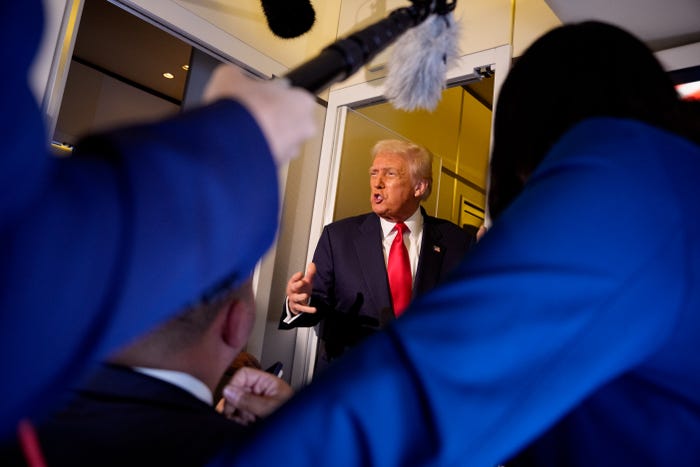
UPDATE: The Department of Education is moving forward with critical negotiations on President Donald Trump’s student-loan repayment overhaul, even as the federal government remains in shutdown. This second week of negotiations is pivotal, aiming to reshape borrowing limits and repayment plans that could impact millions of students.
Negotiations commenced earlier today, with key topics including the elimination of the Grad PLUS program and the introduction of new borrowing caps. Under the proposed changes, graduate students would face a limit of $20,500 per year and $100,000 over their lifetime. For professional students, the caps would be set at $50,000 annually and $200,000 over their lifetime. These proposals have raised urgent concerns among stakeholders regarding accessibility and the potential financial burden on students.
During the first negotiation session, Jeff Andrade, deputy assistant secretary for policy, emphasized that the ongoing government shutdown would not hinder the regulatory process. “Failure to actively continue work towards promulgating these regulatory changes would substantially impair otherwise funded programs, like Pell Grants and direct loans,” Andrade stated.
One major change includes the proposed elimination of existing income-driven repayment plans, to be replaced by two new options: a standard repayment plan and a Repayment Assistance Plan. The latter would allow borrowers to have their remaining balances forgiven after 30 years. Implementation is scheduled for July 1, 2026, with current borrowers retaining access to existing plans until then.
Concerns have been voiced regarding the new borrowing caps and the limited list of qualifying degrees. Bennett Boggs, commissioner of the Missouri Department of Higher Education and a negotiator in the discussions, noted, “There are some professions here that are crucial to our state economic development and workforce development, and this list doesn’t have it.” This could force students into the private loan market for additional funding, exacerbating financial strain.
While the negotiation sessions are being conducted publicly via livestream, updates and proposed rules will not be posted on the Department of Education’s website until the government shutdown concludes. Stakeholders and the public will have opportunities to provide feedback as these negotiations advance.
As negotiations continue, the outcomes could have lasting implications on the landscape of student loans. The urgency surrounding these discussions reflects the broader economic impact on future students and educational institutions at large.
Stay tuned for more updates as these negotiations unfold, and consider the potential effects on your educational financing options.

Japan’s PM Takaichi Vows Urgent Fiscal Management Amid Rate Trends

Bitcoin Plummets Below $88K Amid Tether Concerns and Warnings

Tottenville Falls Short in PSAL 4A Title Game Against Erasmus

Shark Teeth Study Reveals Urgent Clues to Prevent Extinction

Church Members Rally Together After Thanksgiving Fire Devastation

U.S. Investment in Canadian Energy Firms Surges Despite Low Oil Prices

Nick Jonas Unveils New Solo Album ‘Sunday Best’ Set for February Release

Researchers Urge Label Changes for Low-Alcohol Drinks to Aid Pregnant Women

Wedding Cookie Table Community Aims for World’s Largest Cookie Exchange

Urgent Update: Tom Aspinall’s Vision Deteriorates After UFC 321

MIT Scientists Uncover Surprising Genomic Loops During Cell Division

University of Hawaiʻi Joins $25.6M AI Project to Enhance Disaster Monitoring

AI Disruption: AWS Faces Threat as Startups Shift Cloud Focus

Time Crystals Revolutionize Quantum Computing Potential

Honeywell Forecasts Record Business Jet Deliveries Over Next Decade

Discover the Full Map of Pokémon Legends: Z-A’s Lumiose City

GOP Faces Backlash as Protests Surge Against Trump Policies

Parenthood Set to Depart Hulu: What Fans Need to Know
-
 Top Stories1 month ago
Urgent Update: Tom Aspinall’s Vision Deteriorates After UFC 321
-
 Health1 month ago
MIT Scientists Uncover Surprising Genomic Loops During Cell Division
-
Science4 weeks ago
University of Hawaiʻi Joins $25.6M AI Project to Enhance Disaster Monitoring
-
 Top Stories1 month ago
AI Disruption: AWS Faces Threat as Startups Shift Cloud Focus
-
 Science2 months ago
Time Crystals Revolutionize Quantum Computing Potential
-
 World2 months ago
Honeywell Forecasts Record Business Jet Deliveries Over Next Decade
-
 Entertainment1 month ago
Discover the Full Map of Pokémon Legends: Z-A’s Lumiose City
-
 Top Stories2 months ago
GOP Faces Backlash as Protests Surge Against Trump Policies
-
 Entertainment2 months ago
Parenthood Set to Depart Hulu: What Fans Need to Know
-

 Politics2 months ago
Judge Signals Dismissal of Chelsea Housing Case Citing AI Flaws
-

 Sports2 months ago
Yoshinobu Yamamoto Shines in Game 2, Leading Dodgers to Victory
-

 Health2 months ago
Maine Insurers Cut Medicare Advantage Plans Amid Cost Pressures