
Business
Senate Advances Compromise Bill to End Government Shutdown

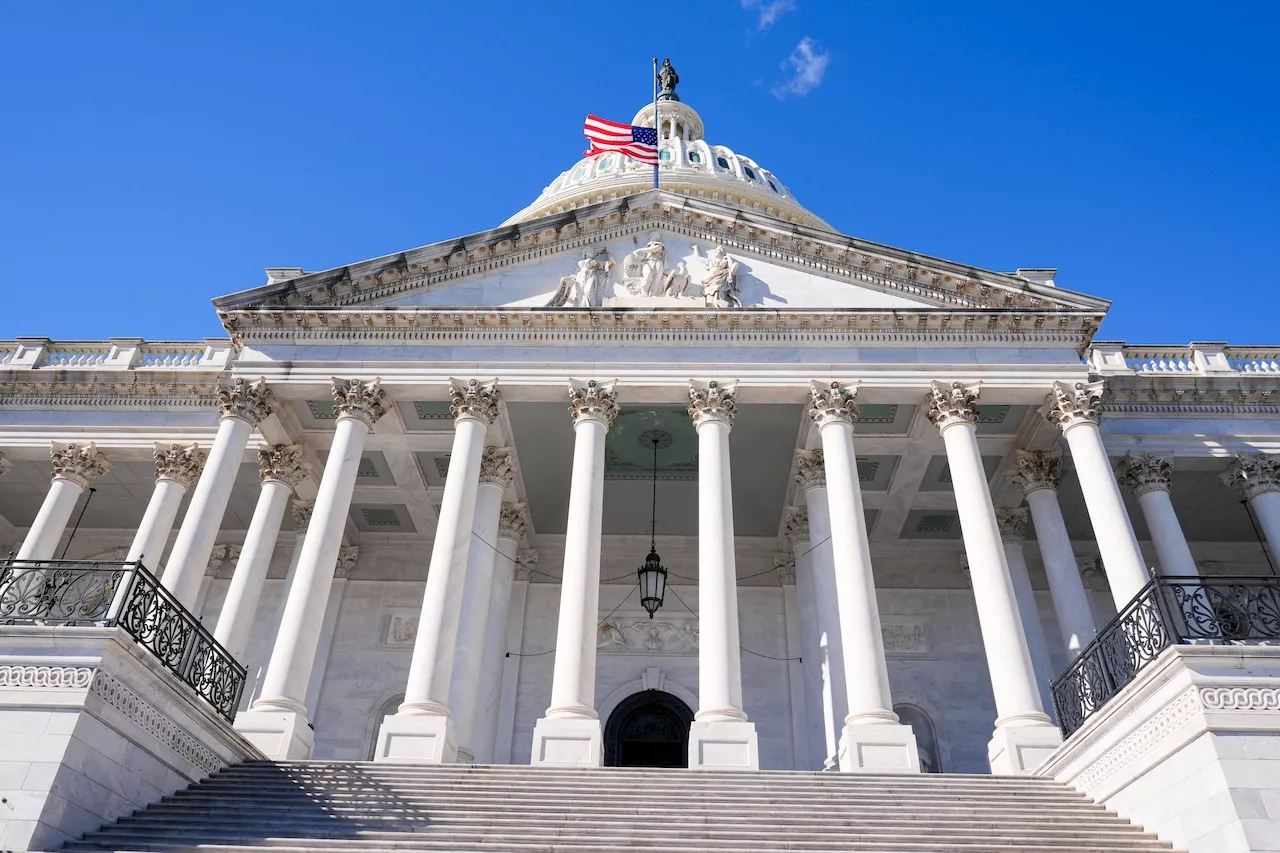
The U.S. Senate voted 60-40 on November 6, 2025, to advance a compromise bill aimed at ending a government shutdown that has lasted for 37 days. While this move signals progress, the future of Affordable Care Act (ACA) subsidies remains uncertain, creating division among Democrats. A group of moderate lawmakers agreed to proceed without solid assurance regarding the extension of these critical health care subsidies, prompting backlash within their caucus.
The proposed legislation includes key provisions such as funding for annual spending bills, a reversal of federal worker firings initiated during the Trump administration, and back pay for federal employees affected by the shutdown. However, the absence of guaranteed ACA subsidy extensions has left many Democrats dissatisfied. Senate Democratic Leader Chuck Schumer voted against the measure, reflecting the frustrations of his party.
Jeanne Shaheen, Maggie Hassan, and Angus King, three senators from New Hampshire and Maine, played a pivotal role in breaking the six-week stalemate. They agreed to move forward with the funding bill in exchange for a mid-December vote on extending ACA tax credits, which are set to expire on January 1. This compromise aims to extend government funding until late January 2026, providing lawmakers additional time to finalize further spending bills.
Notably, the agreement ensures that federal workers who received layoff notices during the shutdown will be reinstated and compensated for lost wages. Senate Majority Leader John Thune quickly endorsed the deal, urging an immediate vote to facilitate the approval process as the shutdown continues.
In the wake of the vote, President Donald Trump refrained from expressing explicit support for the deal but acknowledged that “it looks like we’re getting close to the shutdown ending.” His comments came after he returned to the White House from a football game, highlighting the ongoing uncertainty surrounding the negotiations.
However, the internal dissent among Democrats is palpable. Bernie Sanders, an Independent senator who caucuses with the Democrats, criticized the decision to forego the fight for health care subsidies, labeling it a “horrific mistake.” Similarly, Chris Murphy from Connecticut articulated that voters had recently supported Democratic candidates to encourage party unity in these negotiations.
Democrats have repeatedly voted against reopening the government unless ACA tax credits, which help make health insurance more affordable, are extended. While Republican leaders have maintained a firm stance against negotiating on health care issues, they have been quietly engaging with the moderate group to shape the agreement’s contours.
The compromise includes bipartisan spending bills developed by the Senate Appropriations Committee, addressing funding for essential programs such as food assistance and veterans’ services. The deal aims to restore federal operations while protecting against further layoffs and ensuring that federal employees receive their due wages once the shutdown concludes.
Criticism from some Democratic leaders has intensified. Greg Casar, chairman of the Congressional Progressive Caucus, condemned the deal as a “betrayal” of millions who rely on Democratic leadership to advocate for affordable health care. Meanwhile, Hakeem Jeffries, House Democratic leader, directed blame at Republicans, asserting that they are responsible for the current crisis.
The path forward remains fraught with uncertainty. House Speaker Mike Johnson has not committed to bringing the ACA subsidy extension to a vote in the House, and some Republicans remain hesitant about extending the COVID-19-era tax credits. They call for new limitations on eligibility and advocate for redirected funding through individuals rather than insurance plans.
As the debate continues, the implications of the shutdown are already being felt across the country, particularly in air travel, with over 7,000 flight delays reported. Treasury Secretary Sean Duffy warned that air travel could be severely impacted if the government does not reopen soon.
As the Senate prepares for a mid-December vote on health care tax credits, the focus remains on how effectively both parties can navigate these contentious discussions and ensure the well-being of millions of Americans reliant on affordable health care.

Hallmark’s ‘Christmas at the Catnip Café’ Premieres Tonight

Woman Arrested for Threatening U-Haul Worker with Baton

Japan’s PM Takaichi Vows Urgent Fiscal Management Amid Rate Trends

Bitcoin Plummets Below $88K Amid Tether Concerns and Warnings

Tottenville Falls Short in PSAL 4A Title Game Against Erasmus

Shark Teeth Study Reveals Urgent Clues to Prevent Extinction

Church Members Rally Together After Thanksgiving Fire Devastation

U.S. Investment in Canadian Energy Firms Surges Despite Low Oil Prices

Nick Jonas Unveils New Solo Album ‘Sunday Best’ Set for February Release

Urgent Update: Tom Aspinall’s Vision Deteriorates After UFC 321

MIT Scientists Uncover Surprising Genomic Loops During Cell Division

University of Hawaiʻi Joins $25.6M AI Project to Enhance Disaster Monitoring

AI Disruption: AWS Faces Threat as Startups Shift Cloud Focus

Time Crystals Revolutionize Quantum Computing Potential

Honeywell Forecasts Record Business Jet Deliveries Over Next Decade

Discover the Full Map of Pokémon Legends: Z-A’s Lumiose City

GOP Faces Backlash as Protests Surge Against Trump Policies

Parenthood Set to Depart Hulu: What Fans Need to Know
-
 Top Stories1 month ago
Urgent Update: Tom Aspinall’s Vision Deteriorates After UFC 321
-
 Health1 month ago
MIT Scientists Uncover Surprising Genomic Loops During Cell Division
-
Science4 weeks ago
University of Hawaiʻi Joins $25.6M AI Project to Enhance Disaster Monitoring
-
 Top Stories1 month ago
AI Disruption: AWS Faces Threat as Startups Shift Cloud Focus
-
 Science2 months ago
Time Crystals Revolutionize Quantum Computing Potential
-
 World2 months ago
Honeywell Forecasts Record Business Jet Deliveries Over Next Decade
-
 Entertainment1 month ago
Discover the Full Map of Pokémon Legends: Z-A’s Lumiose City
-
 Top Stories2 months ago
GOP Faces Backlash as Protests Surge Against Trump Policies
-
 Entertainment2 months ago
Parenthood Set to Depart Hulu: What Fans Need to Know
-

 Politics2 months ago
Judge Signals Dismissal of Chelsea Housing Case Citing AI Flaws
-

 Sports2 months ago
Yoshinobu Yamamoto Shines in Game 2, Leading Dodgers to Victory
-

 Health2 months ago
Maine Insurers Cut Medicare Advantage Plans Amid Cost Pressures