
Business
American Fast-Casual Chains Struggle as Consumers Shift Spending

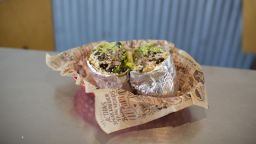
Fast-casual dining chains in the United States are grappling with declining sales as younger consumers increasingly opt for budget-friendly meal options. Major players in this sector, including Cava, Chipotle, and Sweetgreen, have reported disappointing earnings, indicating a significant shift in consumer behavior, particularly among those aged 25 to 35. This demographic, which once frequented these establishments for their customizable bowls and salads, is now retreating to home-cooked meals or cheaper fast-food alternatives.
The shift in consumer spending is not merely a passing trend. According to Brian Vaccaro, a restaurant analyst at Raymond James, the softer wage growth affecting lower-income consumers is now also impacting middle-income young professionals. He notes that factors such as ongoing political anxiety and intense competition from fast-food chains offering value meals are contributing to this new consumer landscape.
Sales Decline Across Major Chains
Cava, known for its Mediterranean-style bowls, has seen its stock decline nearly 60% in 2025 after a remarkable 162% increase in 2024. Brett Schulman, CEO of Cava, emphasized during a recent earnings call that the company’s younger customers are facing significant challenges, including the resumption of student loan repayments and a high unemployment rate among Gen Z individuals, which is currently double the national average. Cava’s traffic remained flat for the second consecutive quarter, prompting the company to lower its same-store sales forecast from 4% to 3-4% for the remainder of 2025.
In the fast-casual dining sector, transactions have dropped by 7% since 2019, indicating that consumers are finding these dining options increasingly unaffordable. R.J. Hottovy, a restaurant analyst at Placer.ai, noted that many consumers are choosing to buy groceries instead, seeking more cost-effective solutions. This trend was also highlighted in Chipotle’s recent earnings report, which showed a significant reduction in sales growth for three consecutive quarters, leading to a 50% drop in share prices this year.
Consumer Trends and Corporate Responses
At Chipotle, Scott Boatwright, CEO, reported that younger consumers who constitute about 25% of the chain’s sales have “pulled back meaningfully.” He reassured analysts that the company is still more affordable than its competitors, despite the perception that the fast-casual sector has become too expensive. He maintained that Chipotle’s entry-level price point remains under $10 in most markets, excluding high-cost areas like New York.
Conversely, Sweetgreen, which focuses on salads and warm bowls, has seen its stock plunge by 83% this year, a stark contrast to its nearly 200% increase in 2024. The company’s recent earnings report revealed a 9.5% decline in same-store sales, compounded by a nearly 12% drop in customer visits. CFO Jamie McConnell noted that consumers aged 25 to 35, who represent about 30% of Sweetgreen’s customer base, are under significant financial pressure, resulting in a 15% reduction in their spending. To regain this demographic’s attention, Sweetgreen will begin promoting a 25% increase in protein portions starting this week.
Despite these challenges, analysts remain optimistic about the future of these chains. Vaccaro pointed out that there will always be a demand for high-quality, fresh ingredients at reasonable prices. As the market evolves, these companies may need to adapt their strategies to appeal to a more cost-conscious consumer base while maintaining the quality and variety that initially drew customers to fast-casual dining.

Japan’s PM Takaichi Vows Urgent Fiscal Management Amid Rate Trends

Bitcoin Plummets Below $88K Amid Tether Concerns and Warnings

Tottenville Falls Short in PSAL 4A Title Game Against Erasmus

Shark Teeth Study Reveals Urgent Clues to Prevent Extinction

Church Members Rally Together After Thanksgiving Fire Devastation

U.S. Investment in Canadian Energy Firms Surges Despite Low Oil Prices

Nick Jonas Unveils New Solo Album ‘Sunday Best’ Set for February Release

Researchers Urge Label Changes for Low-Alcohol Drinks to Aid Pregnant Women

Wedding Cookie Table Community Aims for World’s Largest Cookie Exchange

Urgent Update: Tom Aspinall’s Vision Deteriorates After UFC 321

MIT Scientists Uncover Surprising Genomic Loops During Cell Division

University of Hawaiʻi Joins $25.6M AI Project to Enhance Disaster Monitoring

AI Disruption: AWS Faces Threat as Startups Shift Cloud Focus

Time Crystals Revolutionize Quantum Computing Potential

Honeywell Forecasts Record Business Jet Deliveries Over Next Decade

Discover the Full Map of Pokémon Legends: Z-A’s Lumiose City

GOP Faces Backlash as Protests Surge Against Trump Policies

Parenthood Set to Depart Hulu: What Fans Need to Know
-
 Top Stories1 month ago
Urgent Update: Tom Aspinall’s Vision Deteriorates After UFC 321
-
 Health1 month ago
MIT Scientists Uncover Surprising Genomic Loops During Cell Division
-
Science4 weeks ago
University of Hawaiʻi Joins $25.6M AI Project to Enhance Disaster Monitoring
-
 Top Stories1 month ago
AI Disruption: AWS Faces Threat as Startups Shift Cloud Focus
-
 Science2 months ago
Time Crystals Revolutionize Quantum Computing Potential
-
 World2 months ago
Honeywell Forecasts Record Business Jet Deliveries Over Next Decade
-
 Entertainment1 month ago
Discover the Full Map of Pokémon Legends: Z-A’s Lumiose City
-
 Top Stories2 months ago
GOP Faces Backlash as Protests Surge Against Trump Policies
-
 Entertainment2 months ago
Parenthood Set to Depart Hulu: What Fans Need to Know
-

 Politics2 months ago
Judge Signals Dismissal of Chelsea Housing Case Citing AI Flaws
-

 Sports2 months ago
Yoshinobu Yamamoto Shines in Game 2, Leading Dodgers to Victory
-

 Health2 months ago
Maine Insurers Cut Medicare Advantage Plans Amid Cost Pressures