
Science
Scientists Harness Sound Waves, Gene Therapy to Control Seizures

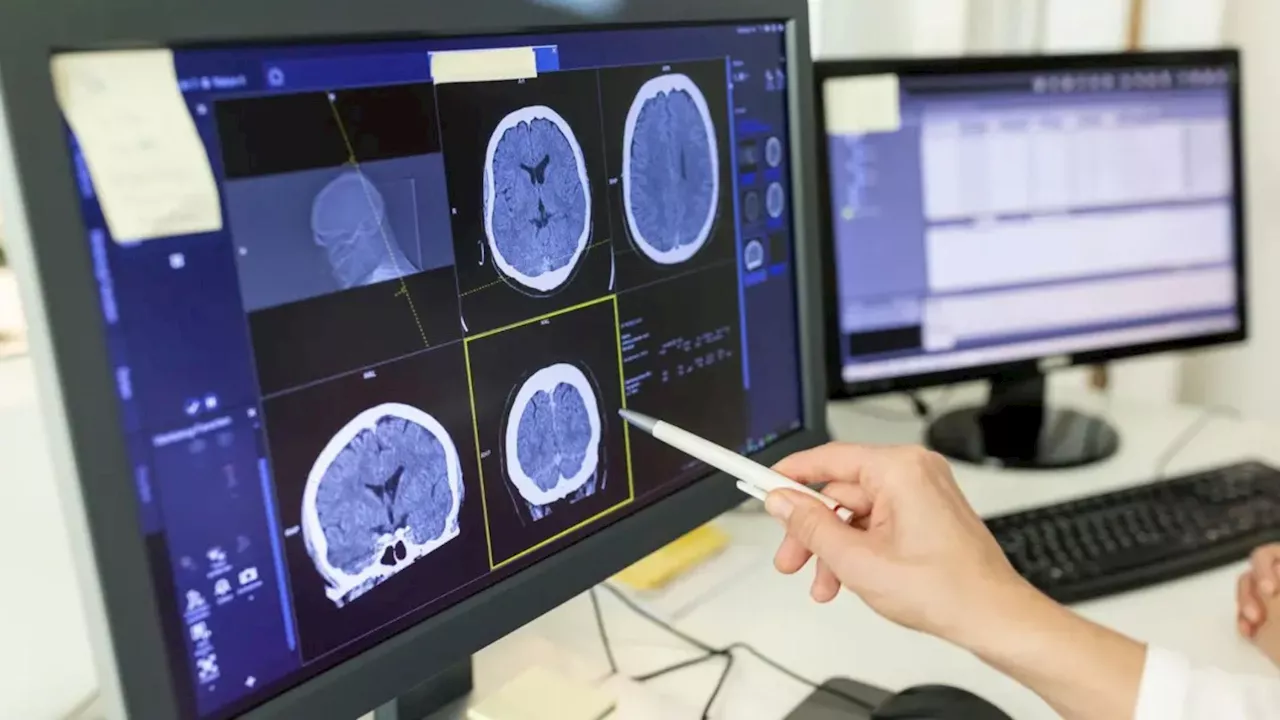
Researchers at Rice University have made significant strides in the treatment of epilepsy by developing a non-invasive method to control seizure-related brain activity using sound waves and gene therapy. This innovative approach, which targets the hippocampus, offers a precise and less invasive alternative to traditional surgical interventions.
Led by Jerzy Szablowski, an assistant professor of bioengineering and a member of the Rice Neuroengineering Initiative, the team has demonstrated that low-intensity focused ultrasound can temporarily open the blood-brain barrier. This breakthrough allows therapeutic agents to enter specific brain regions without the need for surgery or permanent implants.
The technique, known as acoustically targeted chemogenetics or ATAC, combines ultrasound technology with gene therapy and chemogenetics. During the procedure, researchers inject tiny, gas-filled bubbles into the bloodstream. When ultrasound waves target the hippocampus, these bubbles create temporary openings in the blood-brain barrier, enabling gene therapy vectors to reach the affected areas.
“This method allows us to aim therapy precisely where it is needed and control it effectively, all without the need for a surgical procedure,” Szablowski explained. The vectors introduced carry genetic instructions for an inhibitory chemogenetic receptor, functioning as a molecular “dimmer switch” that can quiet hyperactive neurons.
In this study, Honghao Li, a bioengineering doctoral student at Rice and the first author, noted that by selectively targeting the hippocampus, they can dampen overactivity where it matters most while leaving other brain areas undisturbed. The findings indicate that ATAC can effectively manage specific brain circuits through a minimally invasive process, requiring only a simple drug for activation.
The research team believes that with ongoing clinical trials for both focused ultrasound and viral vector gene delivery, this method has the potential to accelerate the development of new treatments for epilepsy and other neurological disorders.
As the team continues its work, they aim to build a flexible brain therapy platform capable of safely reaching various brain regions, delivering genetic material precisely, and allowing clinicians to exert control on demand. Szablowski’s lab has also developed another ultrasound-based method called recovery of markers through insonation, or REMIS, which enables proteins from specific brain areas to be monitored via release into the bloodstream.
“These technologies complement each other,” Szablowski said, emphasizing the potential of ultrasound to deliver therapy, control targeted neurons, and measure effects in specific circuits.
This research highlights Rice University’s increasing commitment to advancing brain science and neurological health, now encapsulated within the newly established Rice Brain Institute. The full study is published in the journal ACS Chemical Neuroscience, showcasing the promising future of non-invasive treatments for epilepsy.

Bitcoin Plummets Below $88K Amid Tether Concerns and Warnings

Tottenville Falls Short in PSAL 4A Title Game Against Erasmus

Shark Teeth Study Reveals Urgent Clues to Prevent Extinction

Church Members Rally Together After Thanksgiving Fire Devastation

U.S. Investment in Canadian Energy Firms Surges Despite Low Oil Prices

Nick Jonas Unveils New Solo Album ‘Sunday Best’ Set for February Release

Researchers Urge Label Changes for Low-Alcohol Drinks to Aid Pregnant Women

Wedding Cookie Table Community Aims for World’s Largest Cookie Exchange

Mayor Appoints Alan Wong as New Supervisor for District 4

Urgent Update: Tom Aspinall’s Vision Deteriorates After UFC 321

MIT Scientists Uncover Surprising Genomic Loops During Cell Division

University of Hawaiʻi Joins $25.6M AI Project to Enhance Disaster Monitoring

AI Disruption: AWS Faces Threat as Startups Shift Cloud Focus

Time Crystals Revolutionize Quantum Computing Potential

Honeywell Forecasts Record Business Jet Deliveries Over Next Decade

Discover the Full Map of Pokémon Legends: Z-A’s Lumiose City

GOP Faces Backlash as Protests Surge Against Trump Policies

Parenthood Set to Depart Hulu: What Fans Need to Know
-
 Top Stories1 month ago
Urgent Update: Tom Aspinall’s Vision Deteriorates After UFC 321
-
 Health1 month ago
MIT Scientists Uncover Surprising Genomic Loops During Cell Division
-
Science4 weeks ago
University of Hawaiʻi Joins $25.6M AI Project to Enhance Disaster Monitoring
-
 Top Stories1 month ago
AI Disruption: AWS Faces Threat as Startups Shift Cloud Focus
-
 Science2 months ago
Time Crystals Revolutionize Quantum Computing Potential
-
 World2 months ago
Honeywell Forecasts Record Business Jet Deliveries Over Next Decade
-
 Entertainment1 month ago
Discover the Full Map of Pokémon Legends: Z-A’s Lumiose City
-
 Top Stories2 months ago
GOP Faces Backlash as Protests Surge Against Trump Policies
-
 Entertainment2 months ago
Parenthood Set to Depart Hulu: What Fans Need to Know
-

 Politics2 months ago
Judge Signals Dismissal of Chelsea Housing Case Citing AI Flaws
-

 Sports2 months ago
Yoshinobu Yamamoto Shines in Game 2, Leading Dodgers to Victory
-

 Health2 months ago
Maine Insurers Cut Medicare Advantage Plans Amid Cost Pressures