
Business
Air Traffic Controllers Resume Work After Shutdown, Salary Questions Arise

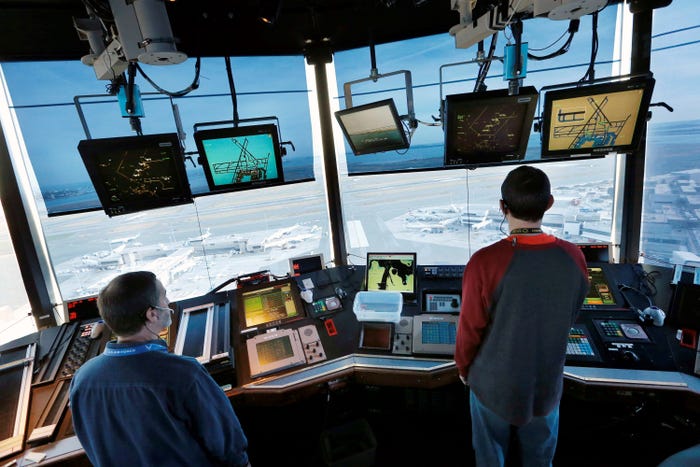
Air traffic controllers are set to receive back pay following the end of the longest government shutdown in United States history. The shutdown left these essential personnel without pay for over a month, prompting significant financial strain for many. Controllers, who typically earn substantial salaries, found themselves receiving two $0 paychecks since October. As the government reopens, they will receive their full back pay, which many are eagerly awaiting to address overdue bills.
The shutdown reignited debates over the actual salaries of air traffic controllers after Transportation Secretary Sean Duffy claimed that new hires can start at $180,000 and potentially earn up to $400,000. This assertion has been met with skepticism from the National Air Traffic Controllers Association (NATCA) and several current controllers, who argue that these figures are exaggerated. According to Nick Daniels, NATCA president, most new controllers earn around $55,000, with few reaching the higher salary thresholds during their careers.
Controller salaries vary widely based on experience, location, and the complexity of the air traffic facility. The Bureau of Transportation Statistics reports that the estimated mean annual wage for controllers is approximately $137,000. However, this figure can be misleading, as many controllers take years to achieve such earnings. The last contract, negotiated in 2016, includes a modest annual raise of 1.6% and extends through at least 2029.
Understanding Controller Salaries
To clarify the salary structure, Business Insider reviewed pay scales from the Federal Aviation Administration (FAA). Entry-level controllers earn between $55,000 and $68,000, regardless of the facility’s complexity. For instance, a Level 4 tower in Erie, Pennsylvania, offers a starting salary of about $55,000, while controllers at a Level 10 facility in San Francisco can begin at around $68,000 due to the area’s higher cost of living.
Training to become an air traffic controller involves rigorous preparation, with approximately 40% of trainees not completing the program. The FAA estimates that it costs about $100,000 to train each candidate. Graduates undergo extensive on-the-job training, working in one of three types of FAA facilities: Air Traffic Control Towers (ATCT), Terminal Radar Approach Control (TRACON), or Air Route Traffic Control Centers (ARTCC).
Controllers in high-volume traffic facilities may earn significantly higher salaries. For example, fully certified controllers at a Level 12 facility like Chicago O’Hare can earn a base salary of up to $225,700. In contrast, a Level 8 tower in Milwaukee may offer a maximum salary of around $153,200, while a Level 9 in Minneapolis can reach about $176,500.
Despite the potential for high earnings, many controllers report that they live paycheck to paycheck. During the recent shutdown, some turned to gig work to make ends meet. This situation highlights the challenges faced by those in such a critical and high-pressure profession.
A spokesperson from the Department of Transportation clarified Duffy’s comments, stating that “the average certified professional controller earns over $160,000 per year” within three years of graduating from the academy. However, this average does not reflect the starting salaries that many controllers face.
As the air traffic system grapples with a shortage of around 3,000 controllers, these salary discussions underscore the need to attract and retain skilled professionals. The ongoing pressure from high attrition rates and the demands of managing air traffic continue to challenge the workforce.
With the reopening of the government and controllers set to receive back pay starting Saturday, the focus now shifts to ensuring that the salaries of air traffic controllers accurately reflect the demands and responsibilities of their roles.

Philadelphia Parks Launch Free Earth Month Events Starting April 1

Bradford’s Fish Fry Fridays Serve Community with Delicious Dinners

Trump Faces Growing Challenges Amid Rising Tensions with Iran

Scientists Probe the Universe’s Missing Topological Defects

Samsung Galaxy Watch 9 to Feature Larger 435mAh Battery

UConn Huskies Aim to Defend Title in 2026 NCAA Women’s Tournament

U.S. Littoral Combat Ships Dock in Malaysia Amid Regional Tensions

Healthy Choice Wellness Reports Quarterly Earnings, Shares Rise

Urgent News: Charles M. Payment Passes Away at 78 in Duluth

University of Hawaiʻi Joins $25.6M AI Project to Enhance Disaster Monitoring

Major Grant Enhances Cancer Care and Research in Hawaiʻi

Joleen Chaney, Beloved Journalist, Passes Leaving Lasting Legacy

San Francisco’s SFO to Welcome 16 Airlines with Nonstop Flights to Europe in 2026

Goldman Sachs Unveils 2026 Catalyst Playbook for Biotech Investors

Discover Top Business Smartphones for Professionals in 2026

Urgent Update: Tom Aspinall’s Vision Deteriorates After UFC 321

Texas Roadhouse Honors Veterans with Free Meal Vouchers

CD Projekt Red Confirms No Release for The Witcher 4 in 2026
-
Science9 months ago
University of Hawaiʻi Joins $25.6M AI Project to Enhance Disaster Monitoring
-
 Health8 months ago
Major Grant Enhances Cancer Care and Research in Hawaiʻi
-
 Top Stories9 months ago
Joleen Chaney, Beloved Journalist, Passes Leaving Lasting Legacy
-
 World7 months ago
San Francisco’s SFO to Welcome 16 Airlines with Nonstop Flights to Europe in 2026
-
 Business8 months ago
Goldman Sachs Unveils 2026 Catalyst Playbook for Biotech Investors
-
 Business8 months ago
Discover Top Business Smartphones for Professionals in 2026
-
 Top Stories9 months ago
Urgent Update: Tom Aspinall’s Vision Deteriorates After UFC 321
-
 Lifestyle9 months ago
Texas Roadhouse Honors Veterans with Free Meal Vouchers
-
 Entertainment8 months ago
CD Projekt Red Confirms No Release for The Witcher 4 in 2026
-

 Top Stories10 months ago
AI Disruption: AWS Faces Threat as Startups Shift Cloud Focus
-

 Health10 months ago
MIT Scientists Uncover Surprising Genomic Loops During Cell Division
-

 Entertainment10 months ago
Discover the Full Map of Pokémon Legends: Z-A’s Lumiose City