
World
English High Court Holds BHP Liable for 2015 Brazilian Dam Disaster

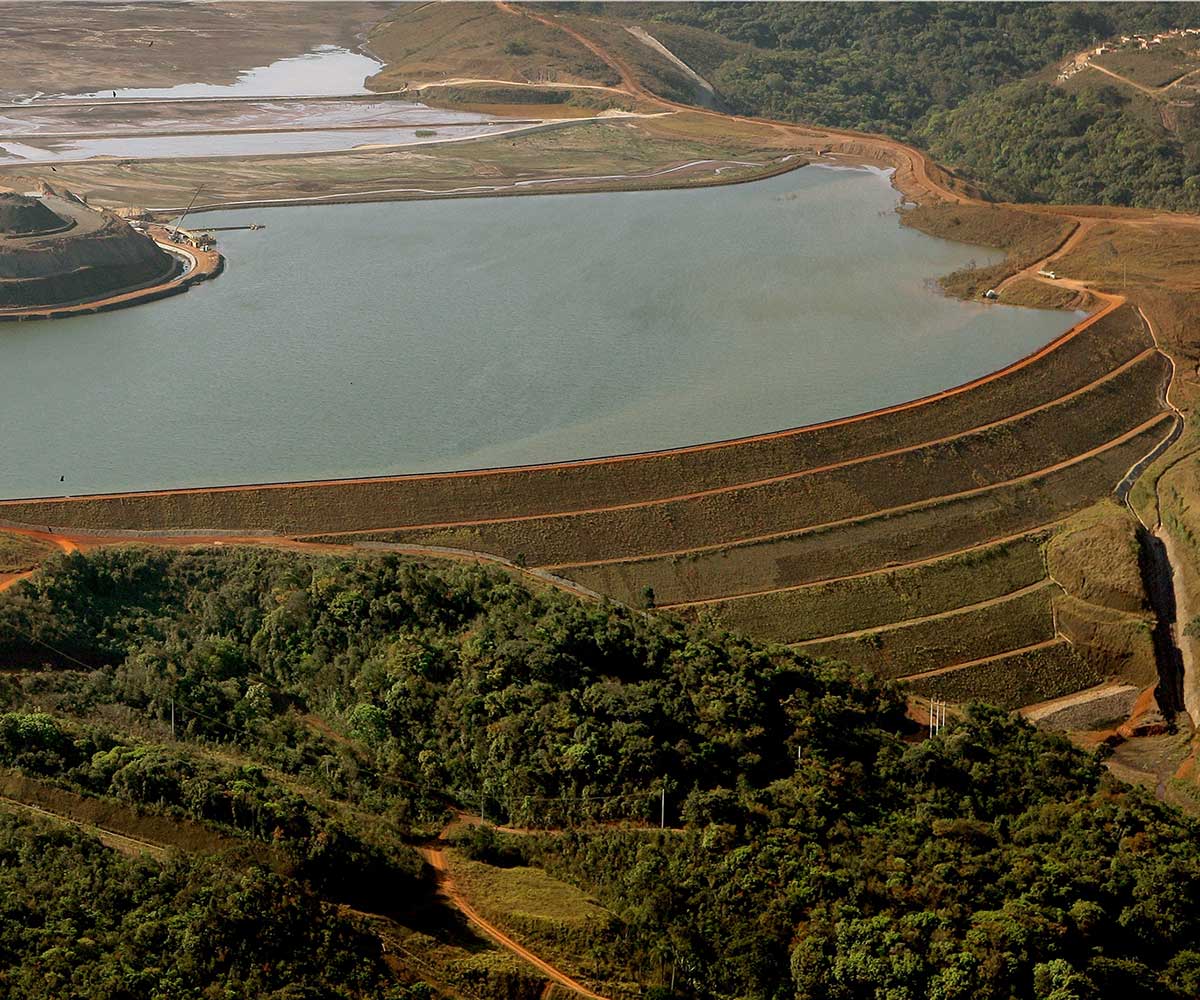
The English High Court ruled on October 13, 2023, that the Australian company BHP Mining is liable for the catastrophic collapse of the Fundão Dam in Brazil in 2015. This incident resulted in the country’s worst environmental disaster, claiming the lives of 19 individuals. The court found that the collapse was a foreseeable event, rejecting BHP’s defense that it was a “sudden and unexpected” occurrence.
In a detailed judgment, Justice Finola O’Farrell emphasized that evidence showed the dam exhibited clear signs of distress, such as seepage and cracking, for over a year prior to the disaster. A thorough stability analysis at that time would have indicated a significant risk of collapse. This ruling is particularly significant because it applies Brazilian environmental law within the English legal framework.
The case faced considerable challenges in the English courts. BHP had previously claimed that the UK lawsuit constituted an “abuse of process” because it duplicated existing Brazilian legal proceedings. However, the court found that it could proceed under Brazilian law, defining BHP as a “polluter” according to the strict liability regime in Article 3, IV of the Brazilian Environmental Law. This article holds companies accountable regardless of fault, thereby expanding the scope of responsibility to include not just direct operators but also those who finance or benefit from the operations.
Impact of the Ruling and Environmental Consequences
Justice O’Farrell noted the importance of a broad and multifactorial approach when assigning liability. The ruling indicates that those with control over the activity, who create risks, or who derive economic benefits from such activities can be considered liable. This precedent may lead to increased accountability for multinational corporations operating in foreign jurisdictions.
Following the dam’s collapse, the environmental impact was devastating. The rupture released massive amounts of mine waste into the Doce River, enough to fill approximately 13,000 Olympic-sized swimming pools. A report from the Wilson Center highlighted the severe ecological consequences, including the collection of 29,000 fish carcasses, which disrupted the local food chain and led to significant mortality among birds reliant on fish as a food source. Furthermore, around 80 percent of the native vegetation in the area was destroyed, with Brazilian prosecutors estimating the socio-environmental damage between 37.6 billion to 60.6 billion reais.
Before this landmark decision, various legal proceedings were initiated against top BHP executives, who faced homicide charges related to the deaths caused by the dam collapse. However, these charges were later suspended, leaving the company facing scrutiny without individual accountability for its executives.
The ruling demonstrates a shift toward holding corporations accountable in their home countries for actions that have global repercussions, particularly in terms of environmental impacts. As the case unfolds, it may serve as a catalyst for future legal challenges against companies involved in similar environmental disasters across the globe.

Urgent: Vehicle Fire Closes Two Lanes on I-215 in Salt Lake City

Knicks Dominate Raptors 116-94, Extend Home Winning Streak

Hallmark’s ‘Christmas at the Catnip Café’ Premieres Tonight

Woman Arrested for Threatening U-Haul Worker with Baton

Japan’s PM Takaichi Vows Urgent Fiscal Management Amid Rate Trends

Bitcoin Plummets Below $88K Amid Tether Concerns and Warnings

Tottenville Falls Short in PSAL 4A Title Game Against Erasmus

Shark Teeth Study Reveals Urgent Clues to Prevent Extinction

Church Members Rally Together After Thanksgiving Fire Devastation

Urgent Update: Tom Aspinall’s Vision Deteriorates After UFC 321

MIT Scientists Uncover Surprising Genomic Loops During Cell Division

University of Hawaiʻi Joins $25.6M AI Project to Enhance Disaster Monitoring

AI Disruption: AWS Faces Threat as Startups Shift Cloud Focus

Time Crystals Revolutionize Quantum Computing Potential

Honeywell Forecasts Record Business Jet Deliveries Over Next Decade

Discover the Full Map of Pokémon Legends: Z-A’s Lumiose City

GOP Faces Backlash as Protests Surge Against Trump Policies

Parenthood Set to Depart Hulu: What Fans Need to Know
-
 Top Stories1 month ago
Urgent Update: Tom Aspinall’s Vision Deteriorates After UFC 321
-
 Health1 month ago
MIT Scientists Uncover Surprising Genomic Loops During Cell Division
-
Science4 weeks ago
University of Hawaiʻi Joins $25.6M AI Project to Enhance Disaster Monitoring
-
 Top Stories1 month ago
AI Disruption: AWS Faces Threat as Startups Shift Cloud Focus
-
 Science2 months ago
Time Crystals Revolutionize Quantum Computing Potential
-
 World2 months ago
Honeywell Forecasts Record Business Jet Deliveries Over Next Decade
-
 Entertainment1 month ago
Discover the Full Map of Pokémon Legends: Z-A’s Lumiose City
-
 Top Stories2 months ago
GOP Faces Backlash as Protests Surge Against Trump Policies
-
 Entertainment2 months ago
Parenthood Set to Depart Hulu: What Fans Need to Know
-

 Politics2 months ago
Judge Signals Dismissal of Chelsea Housing Case Citing AI Flaws
-

 Sports2 months ago
Yoshinobu Yamamoto Shines in Game 2, Leading Dodgers to Victory
-

 Health2 months ago
Maine Insurers Cut Medicare Advantage Plans Amid Cost Pressures