
World
Scientists Create Gel That Could Revolutionize Dental Care

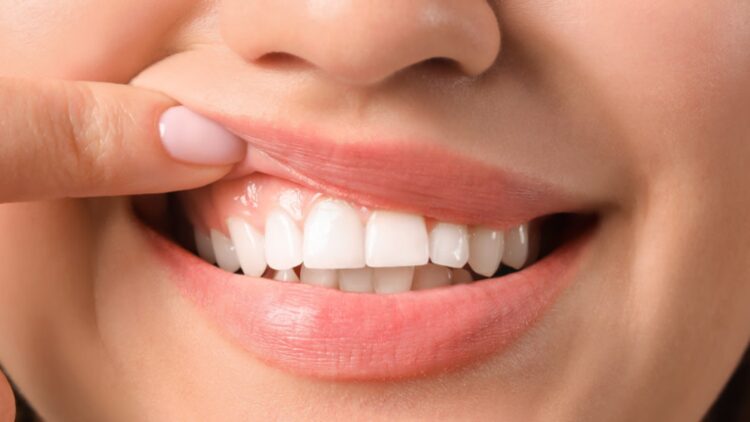
Researchers from the University of Nottingham in the United Kingdom have developed a groundbreaking gel that has the potential to repair tooth enamel and significantly reduce cavities. Published in the journal Nature Communications, this research introduces an enamel-regenerating gel that fills cavities and restores the natural structure of tooth enamel, offering hope for a new era in dental care.
The innovative gel mimics the natural process of enamel formation, which relies on proteins known as amelogenins. The team, led by pharmaceutical scientist Abshar Hasan, utilized synthetic proteins called elastin-like recombinamers, or ELRs, to replicate these natural proteins. The gel promotes crystal growth through a process called epitaxial mineralization, with promising results observed in initial laboratory tests.
How the Gel Works
The primary objective of this research is to offer a quick and effective solution for treating cavities. Normally, the human body cannot regenerate dental enamel, which protects teeth from decay. By applying the gel directly onto damaged areas, researchers aim to replace lost enamel effectively.
Hasan explained, “When our material is applied to demineralized or eroded enamel, or to exposed dentin, the material promotes crystal growth in an integrated and organized way, restoring the architecture of our healthy natural enamel.” This breakthrough could transform the way dental professionals approach cavity treatment.
The gel’s design is based on the natural enamel formation process, which begins with amelogenins. By utilizing ELRs, the team hopes to encourage new enamel growth using calcium and phosphate from saliva. While the gel has currently been tested in laboratory conditions, researchers are preparing for human trials to assess its efficacy in real-world scenarios.
Future Implications and Research Developments
Although this is not the first study focused on enamel repair, it is one of the most promising. The potential applications extend beyond mere cavity repair; researchers envision a future where entire teeth could be grown in laboratories for transplantation.
The team has established a start-up to further their research and facilitate the development of this gel. So far, laboratory tests have shown that the regenerated tissue exhibits mechanical properties similar to those of healthy enamel. Hasan stated, “We have tested the mechanical properties of these regenerated tissues under conditions that simulate real-life situations—such as tooth brushing, chewing, and exposure to acidic foods—and found that the regenerated enamel behaves just like healthy enamel.”
The next phase of this research involves small-scale human trials, which will be crucial in determining the gel’s effectiveness and safety. The researchers believe their technology could provide a comprehensive solution for dental enamel regeneration, regardless of the extent of dental erosion.
As the field of dental science continues to evolve, this development represents a significant advancement. The potential for a gel that could not only repair enamel but also prevent cavities altogether might soon change the landscape of dental care.

Japan’s PM Takaichi Vows Urgent Fiscal Management Amid Rate Trends

Bitcoin Plummets Below $88K Amid Tether Concerns and Warnings

Tottenville Falls Short in PSAL 4A Title Game Against Erasmus

Shark Teeth Study Reveals Urgent Clues to Prevent Extinction

Church Members Rally Together After Thanksgiving Fire Devastation

U.S. Investment in Canadian Energy Firms Surges Despite Low Oil Prices

Nick Jonas Unveils New Solo Album ‘Sunday Best’ Set for February Release

Researchers Urge Label Changes for Low-Alcohol Drinks to Aid Pregnant Women

Wedding Cookie Table Community Aims for World’s Largest Cookie Exchange

Urgent Update: Tom Aspinall’s Vision Deteriorates After UFC 321

MIT Scientists Uncover Surprising Genomic Loops During Cell Division

University of Hawaiʻi Joins $25.6M AI Project to Enhance Disaster Monitoring

AI Disruption: AWS Faces Threat as Startups Shift Cloud Focus

Time Crystals Revolutionize Quantum Computing Potential

Honeywell Forecasts Record Business Jet Deliveries Over Next Decade

Discover the Full Map of Pokémon Legends: Z-A’s Lumiose City

GOP Faces Backlash as Protests Surge Against Trump Policies

Parenthood Set to Depart Hulu: What Fans Need to Know
-
 Top Stories1 month ago
Urgent Update: Tom Aspinall’s Vision Deteriorates After UFC 321
-
 Health1 month ago
MIT Scientists Uncover Surprising Genomic Loops During Cell Division
-
Science4 weeks ago
University of Hawaiʻi Joins $25.6M AI Project to Enhance Disaster Monitoring
-
 Top Stories1 month ago
AI Disruption: AWS Faces Threat as Startups Shift Cloud Focus
-
 Science2 months ago
Time Crystals Revolutionize Quantum Computing Potential
-
 World2 months ago
Honeywell Forecasts Record Business Jet Deliveries Over Next Decade
-
 Entertainment1 month ago
Discover the Full Map of Pokémon Legends: Z-A’s Lumiose City
-
 Top Stories2 months ago
GOP Faces Backlash as Protests Surge Against Trump Policies
-
 Entertainment2 months ago
Parenthood Set to Depart Hulu: What Fans Need to Know
-

 Politics2 months ago
Judge Signals Dismissal of Chelsea Housing Case Citing AI Flaws
-

 Sports2 months ago
Yoshinobu Yamamoto Shines in Game 2, Leading Dodgers to Victory
-

 Health2 months ago
Maine Insurers Cut Medicare Advantage Plans Amid Cost Pressures