
Top Stories
Self-Hosted Docker Containers Slash Cloud Bills to $0 Instantly

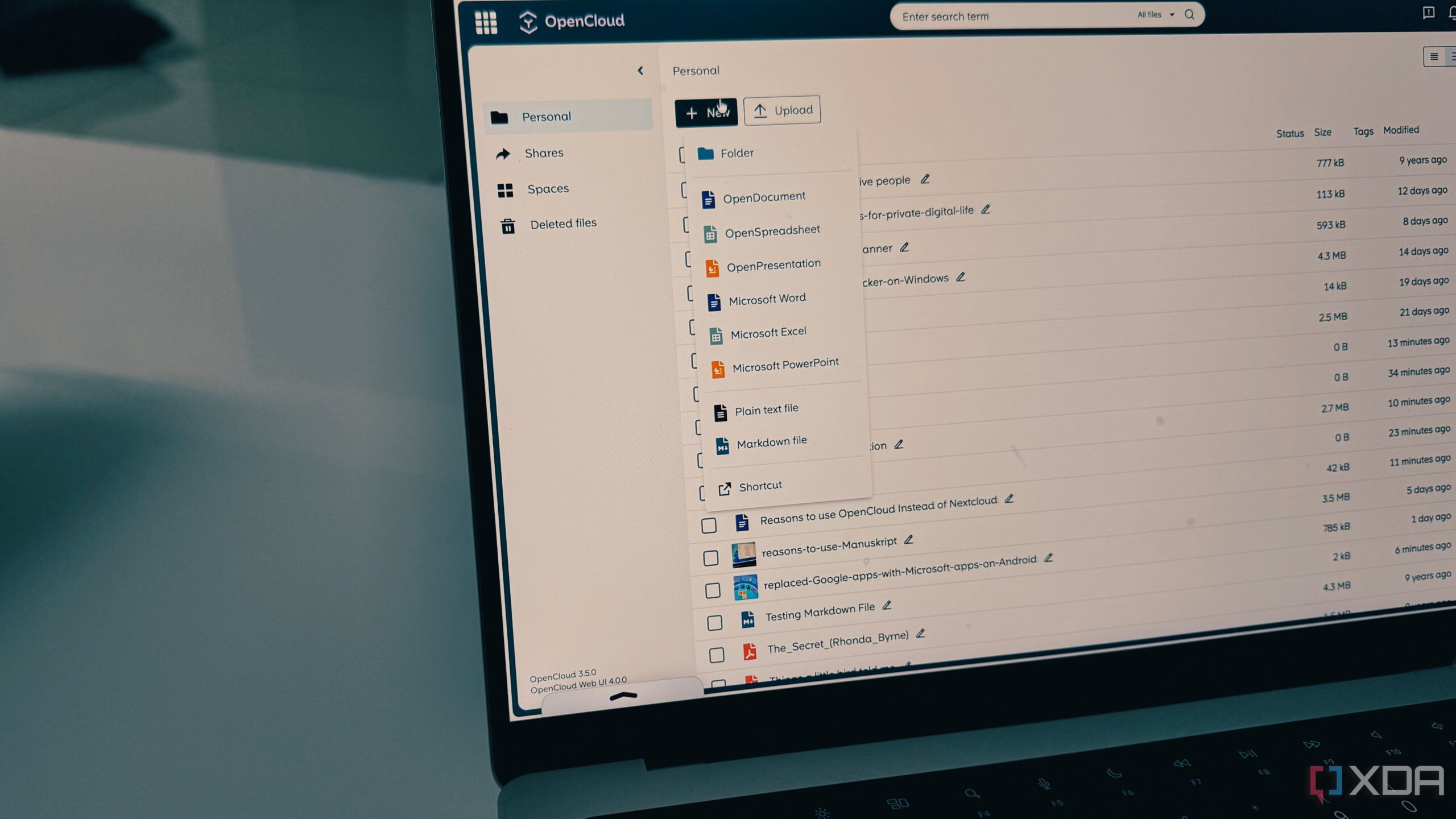
URGENT UPDATE: A groundbreaking shift in file management has just been unveiled, as individuals are now slashing their cloud bills to $0 by deploying self-hosted Docker containers. This innovative setup combines Syncthing and OpenCloud, allowing users to regain control over their data while eliminating hefty subscription fees.
The promise of the public cloud often leads to unexpected costs and concerns over data control. However, one user’s radical simplification approach has proven transformative. By utilizing just two containers, they have achieved seamless file access, real-time synchronization, and remote functionality without the burden of recurring charges.
In a world where cloud bills can spiral out of control, this self-hosted solution is capturing attention. The user shared that by leveraging Syncthing for decentralized synchronization, they have effectively replaced their entire cloud subscription. With Syncthing’s P2P transfer capabilities, files are shared instantly between devices without relying on a central server, making it a game-changer for those who need immediate access to their documents.
For instance, if a user takes a screenshot on their smartphone, that image can be transferred to a laptop or server in mere seconds, eliminating the delays typical with services like OneDrive and Google Drive. By connecting devices over local Wi-Fi, the transfer process is not only faster but also more efficient, as Syncthing only sends changes made to files, saving both time and bandwidth.
On the other hand, OpenCloud serves as a centralized repository, providing a familiar interface reminiscent of mainstream cloud services. Users can log in from any web browser, facilitating easy uploads and downloads while maintaining a polished experience. The ability to securely share files through password-protected links adds a layer of professionalism, making it easier to collaborate without sacrificing security.
The user conducted comparisons with Nextcloud but found OpenCloud to be lighter and more efficient. “Blazing-fast performance was the key here,” they stated, highlighting the frustrations of dealing with heavier platforms. By employing OpenCloud for centralized file management, they’ve created an organized system for everything from family photos to project backups.
The implications of this shift extend far beyond technical efficiency. The user emphasizes that this self-hosted Docker stack not only cuts costs but also enhances privacy and security. With zero subscription fees and full control over data management, individuals can break free from reliance on major tech companies.
For those looking to reclaim their digital lives, this Docker setup offers a compelling alternative. The user encourages anyone ready to cut the cord to explore this innovative solution, stating, “Your solution is a docker-compose up command away.”
As interest in self-hosted solutions continues to grow, this development could reshape how individuals manage their data and interact with cloud technologies. With the power of Syncthing and OpenCloud, users are taking significant steps towards achieving cloud independence, proving that a tailored system can meet diverse needs without financial strain.
Stay tuned for more updates on this rapidly evolving topic as more individuals share their experiences and insights into self-hosting solutions.

Zacks Research Lowers Earnings Forecast for Avanos Medical

“All’s Fair Season 1 Episode 7 Arrives December 2 on Hulu”

Rolette Record Transitions Ownership to Cando Editors in 1929 Sale

Bregman Seeks Debate Stage with Haaland in Gubernatorial Race

University of Arizona Research Reveals Key to Preventing Fibrosis

Rolette Record Sold to Cando Owners, New Era Begins

Urgent Fire Erupts at Indigo Apartments in NW OKC, Residents Fearful

Arlene Hartman, Beloved Community Figure, Passes Away at 87

Urgent: Vehicle Fire Closes Two Lanes on I-215 in Salt Lake City

Urgent Update: Tom Aspinall’s Vision Deteriorates After UFC 321

MIT Scientists Uncover Surprising Genomic Loops During Cell Division

University of Hawaiʻi Joins $25.6M AI Project to Enhance Disaster Monitoring

AI Disruption: AWS Faces Threat as Startups Shift Cloud Focus

Time Crystals Revolutionize Quantum Computing Potential

Honeywell Forecasts Record Business Jet Deliveries Over Next Decade

Discover the Full Map of Pokémon Legends: Z-A’s Lumiose City

GOP Faces Backlash as Protests Surge Against Trump Policies

Parenthood Set to Depart Hulu: What Fans Need to Know
-
 Top Stories1 month ago
Urgent Update: Tom Aspinall’s Vision Deteriorates After UFC 321
-
 Health1 month ago
MIT Scientists Uncover Surprising Genomic Loops During Cell Division
-
Science4 weeks ago
University of Hawaiʻi Joins $25.6M AI Project to Enhance Disaster Monitoring
-
 Top Stories1 month ago
AI Disruption: AWS Faces Threat as Startups Shift Cloud Focus
-
 Science2 months ago
Time Crystals Revolutionize Quantum Computing Potential
-
 World2 months ago
Honeywell Forecasts Record Business Jet Deliveries Over Next Decade
-
 Entertainment1 month ago
Discover the Full Map of Pokémon Legends: Z-A’s Lumiose City
-
 Top Stories2 months ago
GOP Faces Backlash as Protests Surge Against Trump Policies
-
 Entertainment2 months ago
Parenthood Set to Depart Hulu: What Fans Need to Know
-

 Politics2 months ago
Judge Signals Dismissal of Chelsea Housing Case Citing AI Flaws
-

 Sports2 months ago
Yoshinobu Yamamoto Shines in Game 2, Leading Dodgers to Victory
-

 Health2 months ago
Maine Insurers Cut Medicare Advantage Plans Amid Cost Pressures