
Health
Fiber Emerges as the Next Health Trend in U.S. Diets

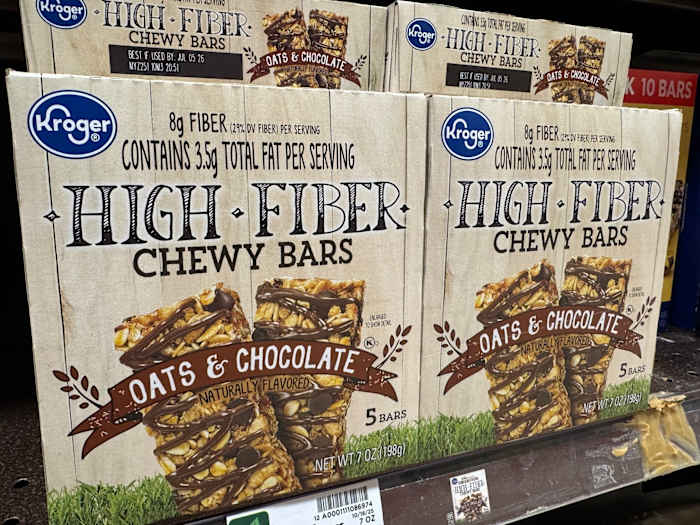
Consumer interest in dietary fiber is rapidly increasing across the United States, marking a shift in health trends as people move beyond a protein-focused diet. According to market research firm Mintel, the number of new products highlighting high or added fiber surged in 2023, suggesting that fiber could become the next major food fad. This change comes as many Americans seek to enhance their nutrition, with companies like PepsiCo acknowledging the growing demand for fiber-rich foods. During a recent conference call, PepsiCo CEO Ramon Laguarta stated, “Consumers are starting to understand that fiber is the benefit that they need.”
Understanding the Benefits of Fiber
Unlike protein, which often garners excitement for its muscle-building properties, fiber is a less glamorous carbohydrate that plays a crucial role in digestive health. It is found in plant-based foods and cannot be broken down by the body, helping to feed gut bacteria and support regular digestion. Debbie Petitpain, a registered dietitian nutritionist and spokesperson for the Academy of Nutrition and Dietetics, noted, “Folks don’t want to talk about it at a dinner party.”
There are two main types of fiber: soluble and insoluble. Soluble fiber, found in foods like oats, apples, and carrots, dissolves in water and forms a gel-like substance that nourishes gut bacteria. Insoluble fiber, which is present in whole grains, nuts, and vegetables, aids in moving food through the digestive tract. Research has demonstrated that a diet high in fiber can lower cholesterol levels, regulate blood sugar, and promote weight loss, as high-fiber foods tend to enhance feelings of fullness. Moreover, the American Heart Association suggests that fiber may offer protection against heart disease, diabetes, and certain types of cancer.
Daily Fiber Intake Recommendations
Despite the benefits, most individuals in Western countries consume insufficient fiber. Sander Kersten, director of the Division of Nutritional Sciences at Cornell University, indicated that adults should aim for approximately 14 grams of fiber for every 1,000 calories consumed. This translates to about 25 grams per day for women and 38 grams for men. However, many Americans only manage to consume around two-thirds of this recommended amount. For perspective, one cup of raspberries provides 8 grams of fiber, while a banana contains 3.2 grams, according to the U.S. Department of Agriculture.
To boost fiber intake, experts recommend selecting breakfast cereals with at least 5 grams of fiber per serving and incorporating whole grains such as brown rice, whole-wheat pasta, and quinoa into meals. Additionally, the Mayo Clinic suggests gradually increasing fiber intake through whole foods rather than relying on processed products with added fiber.
While the trend of “fibermaxxing”—the practice of trying to meet or exceed daily fiber intake recommendations—gains popularity, it is essential to approach it cautiously. Kersten pointed out that there is no established upper limit for fiber, but sudden increases can lead to discomfort, including gas and bloating. Petitpain advised that individuals should gradually enhance their fiber consumption while ensuring adequate hydration.
Certain populations, such as those with gluten sensitivities or allergies to specific foods, should also exercise caution when choosing fiber-rich products. With an array of options available, it is critical for consumers to read labels carefully to avoid potential allergens.
As the focus on dietary fiber grows, health professionals caution against fixating on individual nutrients. “We don’t need nutrients; we need foods. Ultimately, what you want to be striving for is a healthy diet,” Kersten emphasized. This holistic approach to nutrition underscores the importance of incorporating a variety of foods rich in fiber and other essential nutrients into daily meals.
With the rising trend of fiber in the spotlight, it appears to be more than just a passing fad. As consumers become increasingly aware of the health benefits associated with fiber, it may redefine how Americans approach their diets in the future.

Tottenville Falls Short in PSAL 4A Title Game Against Erasmus

Shark Teeth Study Reveals Urgent Clues to Prevent Extinction

Church Members Rally Together After Thanksgiving Fire Devastation

U.S. Investment in Canadian Energy Firms Surges Despite Low Oil Prices

Nick Jonas Unveils New Solo Album ‘Sunday Best’ Set for February Release

Researchers Urge Label Changes for Low-Alcohol Drinks to Aid Pregnant Women

Wedding Cookie Table Community Aims for World’s Largest Cookie Exchange

Mayor Appoints Alan Wong as New Supervisor for District 4

UK Report Reveals Growing Role of AI in University Research Assessments

Urgent Update: Tom Aspinall’s Vision Deteriorates After UFC 321

MIT Scientists Uncover Surprising Genomic Loops During Cell Division

University of Hawaiʻi Joins $25.6M AI Project to Enhance Disaster Monitoring

AI Disruption: AWS Faces Threat as Startups Shift Cloud Focus

Time Crystals Revolutionize Quantum Computing Potential

Honeywell Forecasts Record Business Jet Deliveries Over Next Decade

Discover the Full Map of Pokémon Legends: Z-A’s Lumiose City

Parenthood Set to Depart Hulu: What Fans Need to Know

GOP Faces Backlash as Protests Surge Against Trump Policies
-
 Top Stories1 month ago
Urgent Update: Tom Aspinall’s Vision Deteriorates After UFC 321
-
 Health1 month ago
MIT Scientists Uncover Surprising Genomic Loops During Cell Division
-
Science4 weeks ago
University of Hawaiʻi Joins $25.6M AI Project to Enhance Disaster Monitoring
-
 Top Stories1 month ago
AI Disruption: AWS Faces Threat as Startups Shift Cloud Focus
-
 Science2 months ago
Time Crystals Revolutionize Quantum Computing Potential
-
 World2 months ago
Honeywell Forecasts Record Business Jet Deliveries Over Next Decade
-
 Entertainment1 month ago
Discover the Full Map of Pokémon Legends: Z-A’s Lumiose City
-
 Entertainment2 months ago
Parenthood Set to Depart Hulu: What Fans Need to Know
-
 Top Stories2 months ago
GOP Faces Backlash as Protests Surge Against Trump Policies
-

 Politics2 months ago
Judge Signals Dismissal of Chelsea Housing Case Citing AI Flaws
-

 Sports2 months ago
Yoshinobu Yamamoto Shines in Game 2, Leading Dodgers to Victory
-

 Health2 months ago
Maine Insurers Cut Medicare Advantage Plans Amid Cost Pressures