
Politics
Big Tech Seeks Immunity from State AI Regulation in NDAA Fight

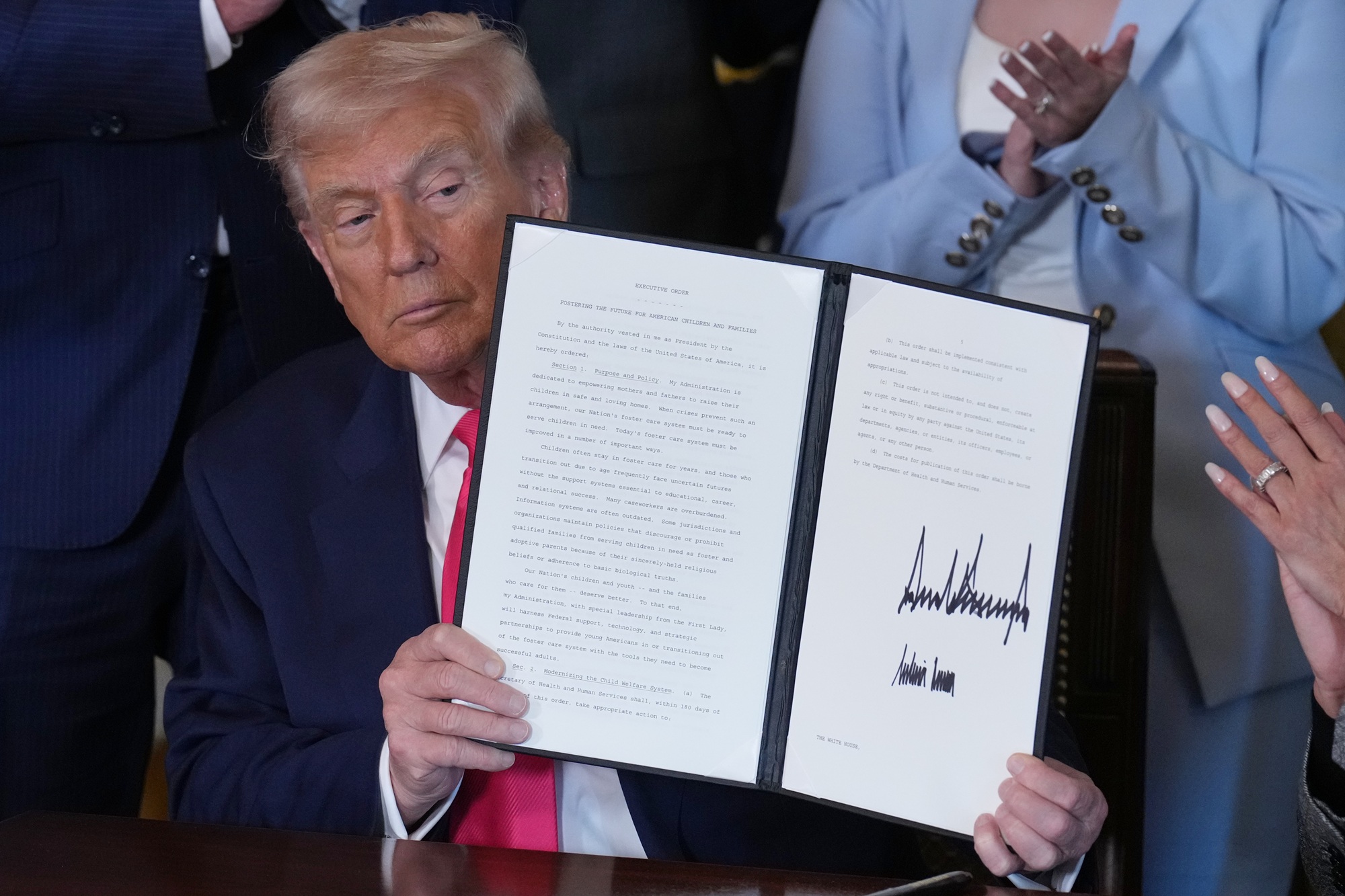
The ongoing negotiations surrounding the National Defense Authorization Act (NDAA) reveal a significant push by major technology companies to secure immunity from state-level regulations on artificial intelligence (AI). This effort is part of a broader trend where corporate interests seek to influence legislative outcomes, particularly concerning the future of AI governance.
A bipartisan coalition in the Senate, led by Senator Elizabeth Warren (D-MA) and Senator Tim Sheehy (R-MT), successfully advocated for military equipment repair rights, aiming to reduce reliance on external contractors. This initiative highlights the ongoing struggle between public policy and corporate lobbying, which often favors the interests of large companies over practical governance.
In contrast, tech companies are intensifying efforts to impose a ten-year moratorium on state-based AI regulations. Initially included in a larger legislative proposal, this measure was met with significant public backlash and subsequently failed in the Senate with a vote of 99-1. Nonetheless, the AI moratorium resurfaced in the NDAA, a bill typically characterized by its broad scope and frequent incorporation of contentious lobbying initiatives.
Donald Trump has added his voice to the call for AI immunity, arguing that a lack of federal oversight could stifle innovation. Senate Democrats, however, maintain that without some level of regulatory framework, AI development could proceed unchecked, leading to potential abuses and risks for consumers and businesses alike.
The leaked draft of a proposed executive order aims to utilize federal authority to prevent states from regulating AI. This order could extend beyond AI, potentially limiting state regulations in numerous business sectors. The vague definition of “AI” raises concerns about the implications for various industries that rely on algorithms and machine learning technologies.
The proposed executive order outlines several strategies to counter state-level regulations. It establishes an “AI Litigation Task Force” within the Department of Justice, tasked with legally challenging states that implement AI regulations on the basis that such laws interfere with interstate commerce. This initiative draws on the “dormant commerce clause,” a legal principle that limits state regulatory powers when their actions may affect other states.
Additionally, the draft order threatens to withhold federal funding for broadband deployment in states that attempt to regulate AI. The Federal Communications Commission (FCC) would be directed to implement disclosure standards for AI models, effectively preempting state regulations. The Federal Trade Commission (FTC) would also provide guidance stating that any state regulation requiring modifications to AI models could be deemed an unfair practice.
The political motivations behind this push are apparent. Tech firms are mobilizing resources similar to those employed by the cryptocurrency sector, building substantial financial reserves to influence Washington and mitigate regulatory constraints. The executive order represents a strategic maneuver for Trump, who faces declining popularity while seeking to consolidate campaign funding ahead of the upcoming election.
In New York, the passage of the RAISE Act, which mandates safety testing for AI models from developers with over $100 million in funding, exemplifies the challenges faced by states in implementing regulatory measures. Governor Kathy Hochul has yet to sign the bill, amid substantial lobbying efforts from the tech sector to encourage a veto.
The draft executive order would further complicate state efforts to regulate AI, particularly in light of the lobbying campaign led by organizations such as the American Innovators Network, which is backed by prominent venture capital firm Andreessen Horowitz. This organization has invested heavily in lobbying against the RAISE Act, spending over $350,000 on related initiatives.
The implications of this regulatory battle extend beyond the immediate interests of tech companies. They reflect a broader pattern of corporate influence over public policy, often prioritizing profit over regulatory safeguards that could protect consumers and promote fair competition. As states strive to establish necessary guardrails on AI, the potential for a significant shift in the regulatory landscape looms, with the federal government poised to intervene.
The current situation underscores the need for transparent governance and accountability in technology development, particularly as AI continues to play an increasingly vital role in the economy and society. The outcome of these legislative efforts may well dictate the future trajectory of AI regulation and its implications for businesses and consumers alike.

Philadelphia Parks Launch Free Earth Month Events Starting April 1

Bradford’s Fish Fry Fridays Serve Community with Delicious Dinners

Trump Faces Growing Challenges Amid Rising Tensions with Iran

Scientists Probe the Universe’s Missing Topological Defects

Samsung Galaxy Watch 9 to Feature Larger 435mAh Battery

UConn Huskies Aim to Defend Title in 2026 NCAA Women’s Tournament

U.S. Littoral Combat Ships Dock in Malaysia Amid Regional Tensions

Healthy Choice Wellness Reports Quarterly Earnings, Shares Rise

Urgent News: Charles M. Payment Passes Away at 78 in Duluth

University of Hawaiʻi Joins $25.6M AI Project to Enhance Disaster Monitoring

Major Grant Enhances Cancer Care and Research in Hawaiʻi

Joleen Chaney, Beloved Journalist, Passes Leaving Lasting Legacy

San Francisco’s SFO to Welcome 16 Airlines with Nonstop Flights to Europe in 2026

Goldman Sachs Unveils 2026 Catalyst Playbook for Biotech Investors

Discover Top Business Smartphones for Professionals in 2026

Urgent Update: Tom Aspinall’s Vision Deteriorates After UFC 321

Texas Roadhouse Honors Veterans with Free Meal Vouchers

CD Projekt Red Confirms No Release for The Witcher 4 in 2026
-
Science9 months ago
University of Hawaiʻi Joins $25.6M AI Project to Enhance Disaster Monitoring
-
 Health8 months ago
Major Grant Enhances Cancer Care and Research in Hawaiʻi
-
 Top Stories9 months ago
Joleen Chaney, Beloved Journalist, Passes Leaving Lasting Legacy
-
 World7 months ago
San Francisco’s SFO to Welcome 16 Airlines with Nonstop Flights to Europe in 2026
-
 Business8 months ago
Goldman Sachs Unveils 2026 Catalyst Playbook for Biotech Investors
-
 Business8 months ago
Discover Top Business Smartphones for Professionals in 2026
-
 Top Stories9 months ago
Urgent Update: Tom Aspinall’s Vision Deteriorates After UFC 321
-
 Lifestyle9 months ago
Texas Roadhouse Honors Veterans with Free Meal Vouchers
-
 Entertainment8 months ago
CD Projekt Red Confirms No Release for The Witcher 4 in 2026
-

 Top Stories10 months ago
AI Disruption: AWS Faces Threat as Startups Shift Cloud Focus
-

 Health10 months ago
MIT Scientists Uncover Surprising Genomic Loops During Cell Division
-

 Entertainment10 months ago
Discover the Full Map of Pokémon Legends: Z-A’s Lumiose City