
Politics
NYC Matching Funds Propel Mamdani’s Mayoral Campaign Success

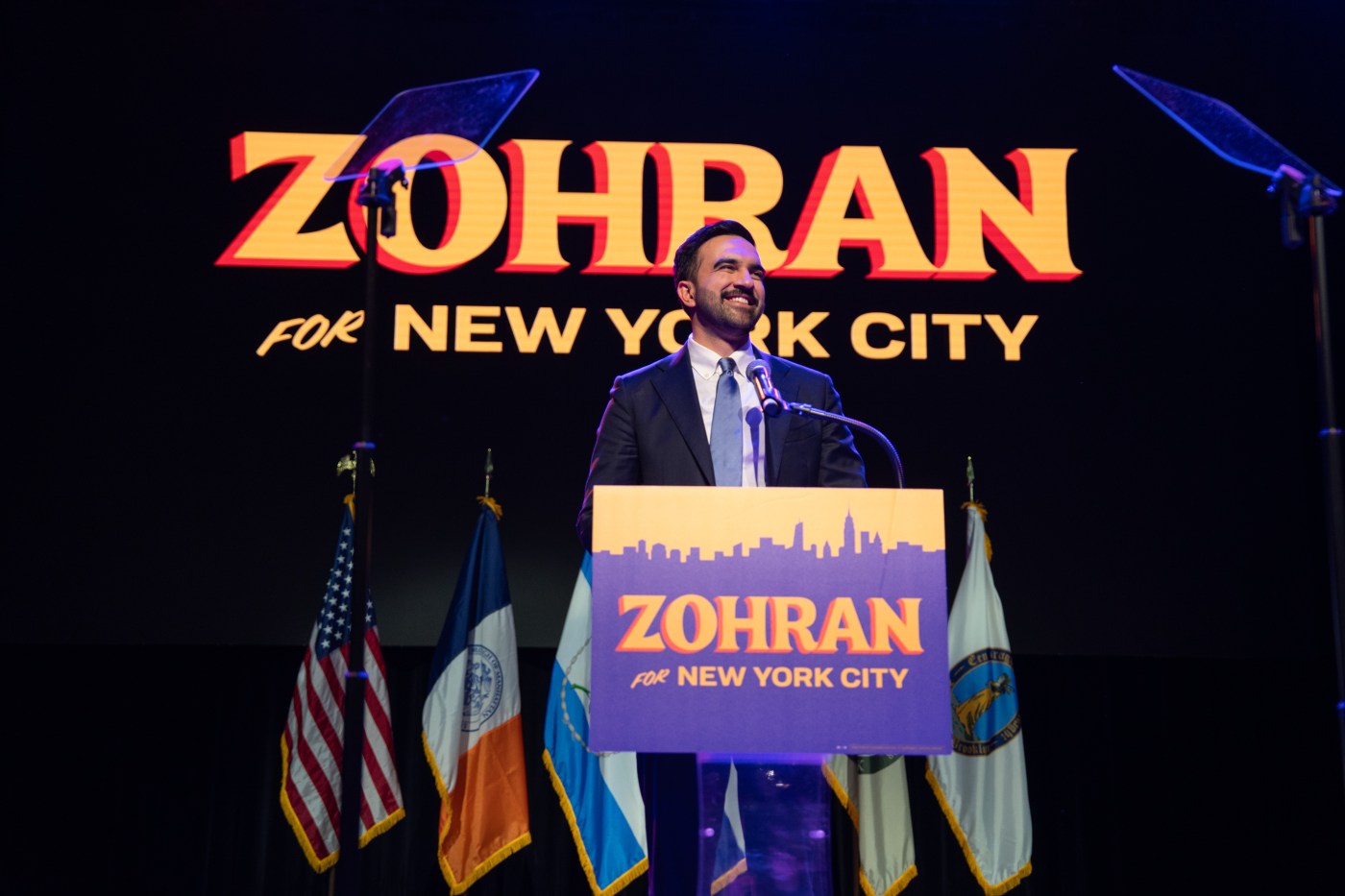
Zohran Mamdani’s unexpected victory in the New York City mayoral race has sparked extensive political discourse, yet many analysts have overlooked a pivotal element that enabled his ascent: the city’s public matching funds program. This initiative, designed to mitigate the influence of significant financial contributions in politics, allows mayoral candidates to receive $8 for every $1 contributed by individual New Yorkers, up to $250 per donor. Instituted nearly four decades ago, this program has become a model for political financing across the United States.
Mamdani’s campaign effectively leveraged the matching funds to reach spending limits in both the primary and general elections. This strategy allowed him to focus on garnering votes rather than fundraising. In a notable turn of events, Mamdani encouraged his supporters to halt further donations once he reached his limits, a scenario rarely seen in electoral campaigns. Other candidates, including former Governor Andrew Cuomo, Republican Curtis Sliwa, and outgoing Mayor Eric Adams, also participated in the matching funds program, promoting a shift towards engaging small-dollar donors and expanding their outreach.
In the race, Mamdani and Cuomo attracted a combined total of 52,560 small donations compared to 7,772 for Sliwa. The final fundraising totals highlighted the competitiveness of the race, with Adams raising $6.7 million, Cuomo $6 million, Mamdani $4 million, and Sliwa $1.5 million in private contributions. The public matching funds received also varied significantly: Mamdani garnered approximately $13.1 million, Cuomo $8 million, Sliwa $5.3 million, while Adams did not qualify for public funds due to compliance issues.
The disparity in funding can be attributed to the eligibility criteria for public matching funds, which only apply to donations under $250 from New York City residents. Adams’s campaign faced scrutiny from the New York City Campaign Finance Board, which cited inadequate documentation and potential legal violations as reasons for his disqualification from receiving public funds.
Mamdani’s success is a clear illustration of how matching funds can empower candidates without extensive financial backing. The resources he acquired through this program were instrumental in elevating his visibility and facilitating his primary win, which subsequently propelled him to victory in the general election. Even with a well-known opponent like Cuomo, whose campaign benefited from substantial independent spending, Mamdani managed to secure a robust financial foundation through grassroots support.
Despite the presence of major financial contributors such as former Mayor Mike Bloomberg and hedge fund manager Bill Ackman, Mamdani’s campaign attracted smaller donations that ultimately translated into significant public funding. His ability to outpace Cuomo in terms of small contributions—receiving more than five times as many—underscores the effectiveness of the matching funds program in fostering a more inclusive political landscape.
This election cycle demonstrates that while financial resources play a crucial role in campaigns, they do not solely determine success. Factors such as candidate quality, policy positions, and messaging remain vital. Yet, in a political environment often dominated by substantial financial influence, the matching funds system offers a viable pathway for insurgent candidates to not only compete but also triumph.
According to Gordon, the founding executive director of the New York City Campaign Finance Board from 1988 to 2006, the program not only broadens the donor pool but also encourages civic engagement. As evidenced by Mamdani’s campaign, it creates opportunities for candidates disconnected from wealthy donors to run for office successfully. The results from this election indicate a shift towards a more participatory political framework, allowing everyday New Yorkers to feel empowered and influential in the electoral process.
While challenges remain, particularly with independent spending still playing a significant role in campaigns, the success of the matching funds program provides a promising counterbalance to the dominance of big money in politics. The implications of this system extend beyond individual elections, potentially reshaping the landscape of political financing and engagement for years to come.

Urgent Fire Erupts at Indigo Apartments in NW OKC, Residents Fearful

Arlene Hartman, Beloved Community Figure, Passes Away at 87

Urgent: Vehicle Fire Closes Two Lanes on I-215 in Salt Lake City

Knicks Dominate Raptors 116-94, Extend Home Winning Streak

Hallmark’s ‘Christmas at the Catnip Café’ Premieres Tonight

Woman Arrested for Threatening U-Haul Worker with Baton

Japan’s PM Takaichi Vows Urgent Fiscal Management Amid Rate Trends

Bitcoin Plummets Below $88K Amid Tether Concerns and Warnings

Tottenville Falls Short in PSAL 4A Title Game Against Erasmus

Urgent Update: Tom Aspinall’s Vision Deteriorates After UFC 321

MIT Scientists Uncover Surprising Genomic Loops During Cell Division

University of Hawaiʻi Joins $25.6M AI Project to Enhance Disaster Monitoring

AI Disruption: AWS Faces Threat as Startups Shift Cloud Focus

Time Crystals Revolutionize Quantum Computing Potential

Honeywell Forecasts Record Business Jet Deliveries Over Next Decade

Discover the Full Map of Pokémon Legends: Z-A’s Lumiose City

GOP Faces Backlash as Protests Surge Against Trump Policies

Parenthood Set to Depart Hulu: What Fans Need to Know
-
 Top Stories1 month ago
Urgent Update: Tom Aspinall’s Vision Deteriorates After UFC 321
-
 Health1 month ago
MIT Scientists Uncover Surprising Genomic Loops During Cell Division
-
Science4 weeks ago
University of Hawaiʻi Joins $25.6M AI Project to Enhance Disaster Monitoring
-
 Top Stories1 month ago
AI Disruption: AWS Faces Threat as Startups Shift Cloud Focus
-
 Science2 months ago
Time Crystals Revolutionize Quantum Computing Potential
-
 World2 months ago
Honeywell Forecasts Record Business Jet Deliveries Over Next Decade
-
 Entertainment1 month ago
Discover the Full Map of Pokémon Legends: Z-A’s Lumiose City
-
 Top Stories2 months ago
GOP Faces Backlash as Protests Surge Against Trump Policies
-
 Entertainment2 months ago
Parenthood Set to Depart Hulu: What Fans Need to Know
-

 Politics2 months ago
Judge Signals Dismissal of Chelsea Housing Case Citing AI Flaws
-

 Sports2 months ago
Yoshinobu Yamamoto Shines in Game 2, Leading Dodgers to Victory
-

 Health2 months ago
Maine Insurers Cut Medicare Advantage Plans Amid Cost Pressures