
Science
MIT Unveils Ancient Metalworking Techniques Using CT Scanning

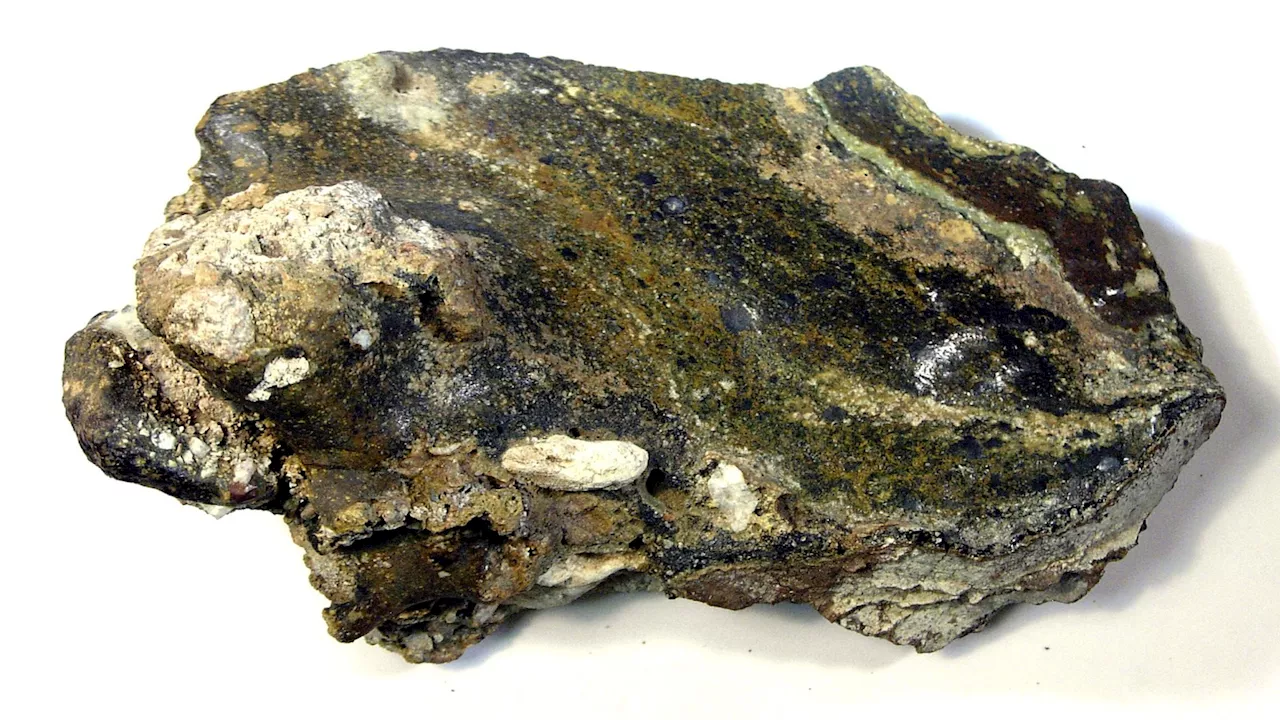
A recent study by researchers at the Massachusetts Institute of Technology (MIT) has unveiled groundbreaking insights into ancient metalworking processes by utilizing advanced CT scanning techniques. This innovative approach focuses on slag waste, a byproduct of copper smelting, to reveal how early civilizations manipulated metals approximately 5,000 years ago.
The study centers around a slag sample obtained from Tepe Hissar, an archaeological site in Iran, recognized as one of the earliest locations for copper processing. According to MIT News, this region is significant as it is believed to be where the first metallurgists began extracting copper from ores around 3100 to 2900 BCE. The researchers aimed to understand the full spectrum of early metal production, including the methods and materials used.
Revolutionizing Archaeometallurgy with CT Technology
In what is being described as a pioneering effort, MIT researchers adapted existing CT scanning technology to enhance traditional methods of studying ancient artifacts. The slag sample had previously been analyzed, but this new approach provided a more comprehensive view of its internal structure. The team utilized both an industrial CT scanner and a standard one available on campus to conduct their experiments.
Slag is formed when ores are heated to extract metal, resulting in a molten material that solidifies upon cooling. As MIT explains, interpreting slag is complex due to its chemical composition, which often contains elements that are undesirable in the final metal product. The researchers noted, “There’s always been a question in archaeometallurgy if we can use arsenic and similar elements in these remains to learn something about the metal production process.”
Alongside CT scans, the research team employed various conventional techniques, including X-ray fluorescence, X-ray diffraction, and optical and scanning electron microscopy. Ultimately, it was the CT scans that illuminated the slag’s internal features, including the presence of pores and various materials, leading to renewed discussions about ancient metal processing methods.
New Questions and Future Research Directions
The findings from the CT scans have sparked new inquiries among researchers about the role of arsenic in early metal production. Contradictory views have emerged, highlighting the complexities of understanding ancient metallurgical practices. MIT researchers concluded that CT scanning could serve as a transformative tool in archaeology, enabling more systematic studies of ancient materials and processes.
“This should be an important lever for more systematic studies of the copper aspect of smelting, and also for continuing to understand the role of arsenic,” stated the researchers. They emphasized that this technology not only aids in understanding the production methods of the past but also allows for greater awareness of how corrosion affects the long-term stability of artifacts.
As this research progresses, the implications for the field of archaeometallurgy are substantial. The use of CT scanning presents a promising avenue for future investigations into ancient metallurgy, potentially leading to richer insights into how early civilizations manipulated metals to create the tools and artifacts that shaped their societies.

Philadelphia Parks Launch Free Earth Month Events Starting April 1

Bradford’s Fish Fry Fridays Serve Community with Delicious Dinners

Trump Faces Growing Challenges Amid Rising Tensions with Iran

Scientists Probe the Universe’s Missing Topological Defects

Samsung Galaxy Watch 9 to Feature Larger 435mAh Battery

UConn Huskies Aim to Defend Title in 2026 NCAA Women’s Tournament

U.S. Littoral Combat Ships Dock in Malaysia Amid Regional Tensions

Healthy Choice Wellness Reports Quarterly Earnings, Shares Rise

Urgent News: Charles M. Payment Passes Away at 78 in Duluth

University of Hawaiʻi Joins $25.6M AI Project to Enhance Disaster Monitoring

Major Grant Enhances Cancer Care and Research in Hawaiʻi

Joleen Chaney, Beloved Journalist, Passes Leaving Lasting Legacy

San Francisco’s SFO to Welcome 16 Airlines with Nonstop Flights to Europe in 2026

Goldman Sachs Unveils 2026 Catalyst Playbook for Biotech Investors

Discover Top Business Smartphones for Professionals in 2026

Urgent Update: Tom Aspinall’s Vision Deteriorates After UFC 321

Texas Roadhouse Honors Veterans with Free Meal Vouchers

CD Projekt Red Confirms No Release for The Witcher 4 in 2026
-
Science9 months ago
University of Hawaiʻi Joins $25.6M AI Project to Enhance Disaster Monitoring
-
 Health8 months ago
Major Grant Enhances Cancer Care and Research in Hawaiʻi
-
 Top Stories9 months ago
Joleen Chaney, Beloved Journalist, Passes Leaving Lasting Legacy
-
 World7 months ago
San Francisco’s SFO to Welcome 16 Airlines with Nonstop Flights to Europe in 2026
-
 Business8 months ago
Goldman Sachs Unveils 2026 Catalyst Playbook for Biotech Investors
-
 Business8 months ago
Discover Top Business Smartphones for Professionals in 2026
-
 Top Stories9 months ago
Urgent Update: Tom Aspinall’s Vision Deteriorates After UFC 321
-
 Lifestyle9 months ago
Texas Roadhouse Honors Veterans with Free Meal Vouchers
-
 Entertainment8 months ago
CD Projekt Red Confirms No Release for The Witcher 4 in 2026
-

 Top Stories10 months ago
AI Disruption: AWS Faces Threat as Startups Shift Cloud Focus
-

 Health10 months ago
MIT Scientists Uncover Surprising Genomic Loops During Cell Division
-

 Entertainment10 months ago
Discover the Full Map of Pokémon Legends: Z-A’s Lumiose City