
Top Stories
Dallas-Fort Worth’s Religious Landscape Shifts Dramatically in 2023

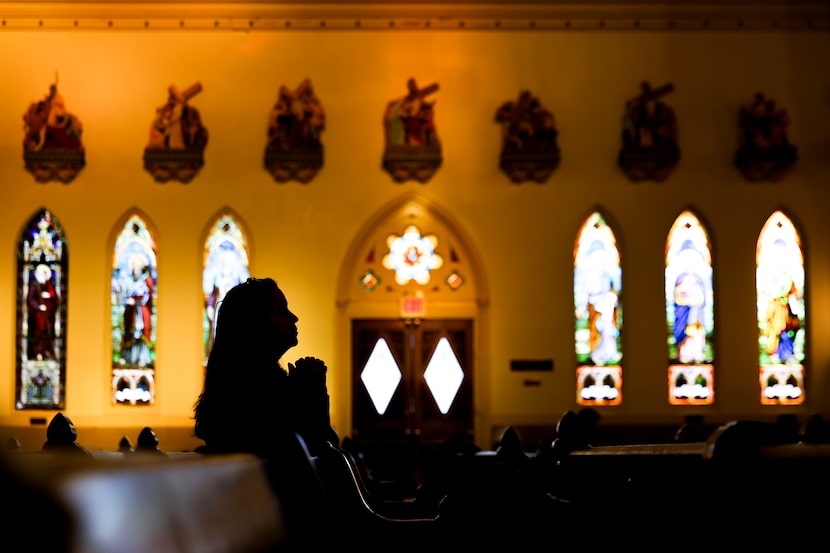
BREAKING: New data from Pew Research reveals significant shifts in the religious landscape of Dallas-Fort Worth, highlighting a dramatic increase in religious diversity and changing beliefs among residents. This urgent update underscores a major transition in faith practices across the region, with implications for community dynamics and social policies.
The latest survey, conducted in 2023 and 2024, shows that the percentage of Hindus in D-FW has surged from less than 1% to 3% of the adult population over the past decade. This remarkable growth makes Hindus the only non-Christian group to experience such a notable increase during this period. According to the data, the share of those belonging to religions other than Christianity has risen from 4% in 2014 to 8% today.
In stark contrast, traditional Protestant denominations are witnessing a decline. Affiliation with the Southern Baptist Convention has dropped from 10% in 2014 to just 6% now, while the United Methodist Church has seen its numbers slide from 5% to 3% since 2019. This change reflects broader societal shifts, including growing acceptance of LGBTQ issues and evolving views on marriage and reproductive rights.
Catholic representation also dipped slightly, falling from 15% to 14% in the same timeframe. Yet, the belief in a higher power remains strong, with 85% of D-FW adults affirming their belief in God or a “universal spirit.” Among these believers, 62% express absolute certainty in their faith.
Prayer practices reveal further insights, with 48% of respondents praying daily and 27% praying at least weekly. The survey also highlights a shift in beliefs regarding the afterlife. While 69% of adults believe in heaven, 35% now reject the existence of hell, an increase from 30% in 2014.
Notably, attitudes toward social issues have evolved. Support for same-sex marriage has surged to 64%, and 61% of residents now favor legal abortion in most circumstances. This marks a significant rise from 48% and 49% respectively in 2014.
These findings highlight a pivotal moment in D-FW’s religious and cultural evolution. As the area grapples with these changes, the impact will likely ripple through community interactions, political landscapes, and social values.
What’s Next: As D-FW continues to diversify, community leaders and policymakers will need to address these emerging trends, fostering dialogue and understanding among different faiths. Observers are encouraged to follow these developments closely, as they shape the future of religious life in this vibrant region.
Stay tuned for more updates as this story develops, impacting not only local communities but also broader societal trends across the United States.

ECB’s de Guindos Confirms Interest Rates Will Remain Steady

Zacks Research Lowers Earnings Forecast for Avanos Medical

“All’s Fair Season 1 Episode 7 Arrives December 2 on Hulu”

Rolette Record Transitions Ownership to Cando Editors in 1929 Sale

Bregman Seeks Debate Stage with Haaland in Gubernatorial Race

University of Arizona Research Reveals Key to Preventing Fibrosis

Rolette Record Sold to Cando Owners, New Era Begins

Urgent Fire Erupts at Indigo Apartments in NW OKC, Residents Fearful

Arlene Hartman, Beloved Community Figure, Passes Away at 87

Urgent Update: Tom Aspinall’s Vision Deteriorates After UFC 321

MIT Scientists Uncover Surprising Genomic Loops During Cell Division

University of Hawaiʻi Joins $25.6M AI Project to Enhance Disaster Monitoring

AI Disruption: AWS Faces Threat as Startups Shift Cloud Focus

Time Crystals Revolutionize Quantum Computing Potential

Honeywell Forecasts Record Business Jet Deliveries Over Next Decade

Discover the Full Map of Pokémon Legends: Z-A’s Lumiose City

GOP Faces Backlash as Protests Surge Against Trump Policies

Parenthood Set to Depart Hulu: What Fans Need to Know
-
 Top Stories1 month ago
Urgent Update: Tom Aspinall’s Vision Deteriorates After UFC 321
-
 Health1 month ago
MIT Scientists Uncover Surprising Genomic Loops During Cell Division
-
Science4 weeks ago
University of Hawaiʻi Joins $25.6M AI Project to Enhance Disaster Monitoring
-
 Top Stories1 month ago
AI Disruption: AWS Faces Threat as Startups Shift Cloud Focus
-
 Science2 months ago
Time Crystals Revolutionize Quantum Computing Potential
-
 World2 months ago
Honeywell Forecasts Record Business Jet Deliveries Over Next Decade
-
 Entertainment1 month ago
Discover the Full Map of Pokémon Legends: Z-A’s Lumiose City
-
 Top Stories2 months ago
GOP Faces Backlash as Protests Surge Against Trump Policies
-
 Entertainment2 months ago
Parenthood Set to Depart Hulu: What Fans Need to Know
-

 Politics2 months ago
Judge Signals Dismissal of Chelsea Housing Case Citing AI Flaws
-

 Sports2 months ago
Yoshinobu Yamamoto Shines in Game 2, Leading Dodgers to Victory
-

 Health2 months ago
Maine Insurers Cut Medicare Advantage Plans Amid Cost Pressures