
Science
Researchers Leverage AI to Unlock Insights from Medieval Jewish Archives

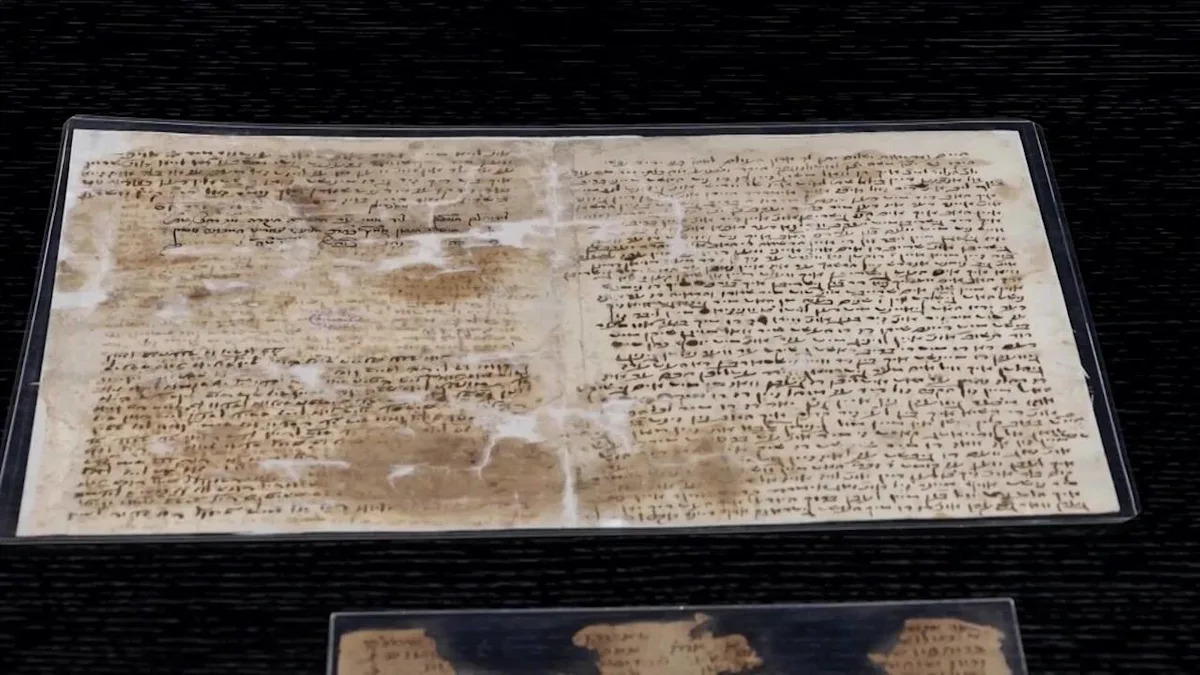
Researchers are harnessing the power of artificial intelligence to explore the world’s largest collection of medieval Jewish documents. This extensive archive, housed at the Hebrew University of Jerusalem, comprises over 1.5 million items. By applying advanced AI techniques, scholars aim to uncover insights into the social, cultural, and economic life of Jewish communities during the medieval period.
The project, initiated in 2023, involves a collaboration between historians, computer scientists, and linguists. These experts are using machine learning algorithms to analyze the texts, which include letters, legal documents, and religious manuscripts. This innovative approach not only accelerates the research process but also enhances the accuracy of transcriptions and translations.
Transforming Historical Research
The potential of AI in historical research is significant. Traditionally, scholars have spent years painstakingly cataloging and interpreting these documents. With AI, researchers can quickly identify patterns and connections that may have gone unnoticed. For instance, machine learning can help decipher handwritten texts, making them more accessible to a broader audience.
The Jewish Historical Society has expressed enthusiasm about this initiative, noting that it could lead to a deeper understanding of Jewish history. “This project represents a breakthrough in our ability to engage with the past,” said a representative from the society. “By integrating technology with traditional scholarship, we are opening new avenues for exploration.”
Furthermore, the AI-driven analysis allows for the examination of vast amounts of data, revealing trends in trade, migration, and social interactions among Jewish communities in medieval times. This information can provide context for contemporary issues faced by these communities today.
Future Implications and Accessibility
As the project progresses, the researchers are focused on ensuring that the findings are accessible to the public. Plans are underway to create an online platform where users can interact with the data, explore the documents, and gain insights into medieval Jewish life. This initiative aims to foster a greater appreciation for Jewish heritage and encourage further academic inquiry.
The researchers believe that this approach could serve as a model for future projects involving other historical archives worldwide. By demonstrating the effectiveness of AI in analyzing complex historical texts, the team hopes to inspire similar efforts across different cultures and languages.
In conclusion, the integration of AI into the study of medieval Jewish documents represents a significant advancement in historical scholarship. As researchers continue to unveil the rich narratives hidden within these archives, the collaboration between technology and humanities promises to enrich our understanding of the past while making it more accessible for future generations.

Church Members Rally Together After Thanksgiving Fire Devastation

U.S. Investment in Canadian Energy Firms Surges Despite Low Oil Prices

Nick Jonas Unveils New Solo Album ‘Sunday Best’ Set for February Release

Researchers Urge Label Changes for Low-Alcohol Drinks to Aid Pregnant Women

Wedding Cookie Table Community Aims for World’s Largest Cookie Exchange

Mayor Appoints Alan Wong as New Supervisor for District 4

UK Report Reveals Growing Role of AI in University Research Assessments

Mayor Lurie Appoints Alan Wong as New District 4 Supervisor

South Korea Strengthens FX Oversight in Urgent Market Stabilization

Urgent Update: Tom Aspinall’s Vision Deteriorates After UFC 321

MIT Scientists Uncover Surprising Genomic Loops During Cell Division

University of Hawaiʻi Joins $25.6M AI Project to Enhance Disaster Monitoring

AI Disruption: AWS Faces Threat as Startups Shift Cloud Focus

Time Crystals Revolutionize Quantum Computing Potential

Honeywell Forecasts Record Business Jet Deliveries Over Next Decade

Discover the Full Map of Pokémon Legends: Z-A’s Lumiose City

GOP Faces Backlash as Protests Surge Against Trump Policies

Parenthood Set to Depart Hulu: What Fans Need to Know
-
 Top Stories1 month ago
Urgent Update: Tom Aspinall’s Vision Deteriorates After UFC 321
-
 Health1 month ago
MIT Scientists Uncover Surprising Genomic Loops During Cell Division
-
Science4 weeks ago
University of Hawaiʻi Joins $25.6M AI Project to Enhance Disaster Monitoring
-
 Top Stories1 month ago
AI Disruption: AWS Faces Threat as Startups Shift Cloud Focus
-
 Science2 months ago
Time Crystals Revolutionize Quantum Computing Potential
-
 World2 months ago
Honeywell Forecasts Record Business Jet Deliveries Over Next Decade
-
 Entertainment1 month ago
Discover the Full Map of Pokémon Legends: Z-A’s Lumiose City
-
 Top Stories2 months ago
GOP Faces Backlash as Protests Surge Against Trump Policies
-
 Entertainment2 months ago
Parenthood Set to Depart Hulu: What Fans Need to Know
-

 Politics2 months ago
Judge Signals Dismissal of Chelsea Housing Case Citing AI Flaws
-

 Sports2 months ago
Yoshinobu Yamamoto Shines in Game 2, Leading Dodgers to Victory
-

 Health2 months ago
Maine Insurers Cut Medicare Advantage Plans Amid Cost Pressures