
Business
Sydney Enforces Electric-Only New Buildings, Banning Gas from 2027

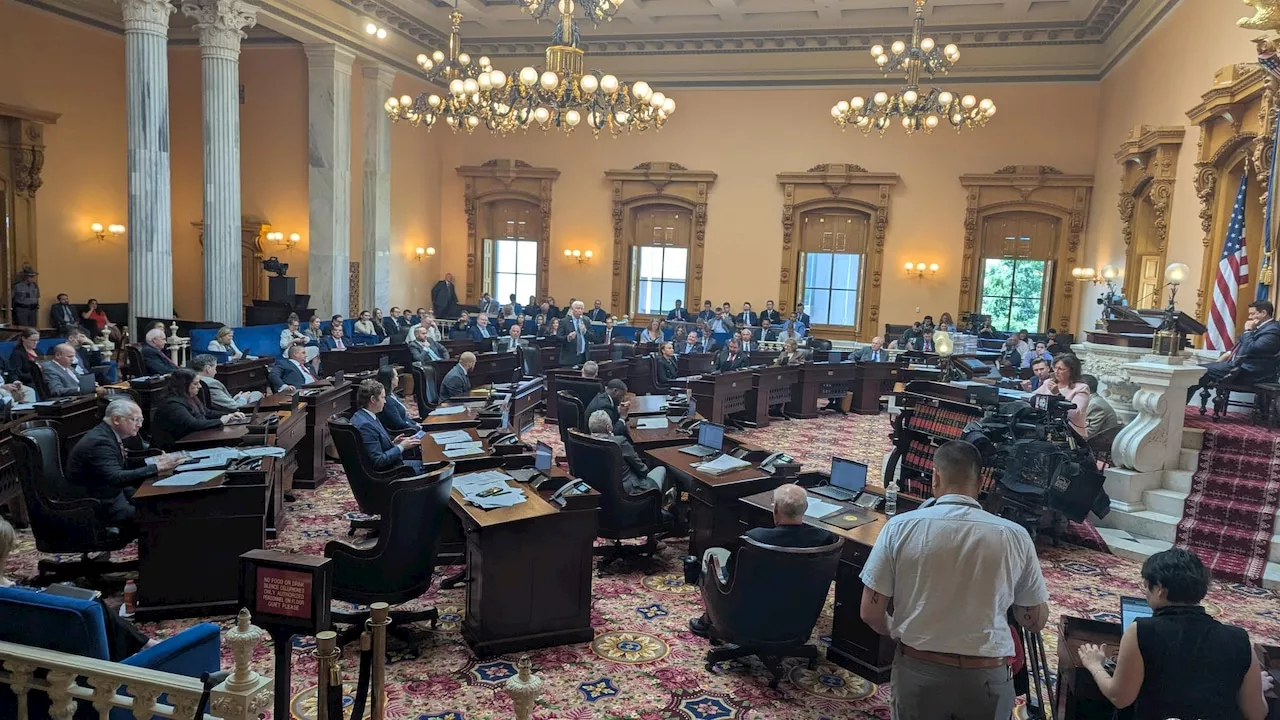
Sydney, Australia, has announced a significant shift in building regulations, mandating that all new households and many commercial structures must be fully electrified starting in 2027. This new policy, championed by Clover Moore, the Lord Mayor of Sydney, aims to enhance public health, reduce costs, and promote environmental sustainability by eliminating gas usage in new constructions.
The mandate, which prohibits gas appliances in new buildings, follows earlier restrictions on indoor gas appliances, such as stoves and heaters. Moore described the decision as a “logical next step” in addressing the challenges posed by fossil fuel dependency. She emphasized that “relying on gas is bad for the planet, bad for our finances and bad for our health.”
While the initiative has garnered support for its potential health and environmental benefits, it has also faced considerable criticism. Opponents, including the industry group Urban Taskforce, argue that the ban could lead to higher costs for consumers, increased risks of blackouts, and delays in the building sector. The Urban Taskforce expressed skepticism about the effectiveness of electrification in reducing carbon emissions, insisting that energy choices should remain a matter of personal preference.
Critics also point out the contradiction in Australia’s energy policy, as the country continues to export significant amounts of gas. While millions of Australians will be barred from using gas in their homes, the mining sector is reportedly profiting from record gas exports. This situation raises questions about the balance between domestic energy policies and international trade practices.
The council’s decision aligns Sydney with other global cities that have implemented similar measures to phase out gas in favor of electric alternatives. For example, New York City enacted comparable regulations in 2023, citing similar health and economic arguments.
Despite the controversy, Moore asserts that the reforms will ultimately benefit residents by lowering their energy bills while enhancing overall public health. However, the Urban Taskforce has raised concerns about the potential ramifications of these regulations on housing affordability, project feasibility, and economic resilience.
“The application of energy requirements or constraints must be measured against the implications for project feasibility, housing supply, market demand, and economic resilience,” the Urban Taskforce stated in response to the new regulations.
As Sydney moves forward with this ambitious plan, the city will join a growing number of jurisdictions worldwide actively seeking to transition to sustainable energy sources. The implications of this policy will unfold over the coming years, as stakeholders in the building sector and the general public adapt to a future without gas in new constructions.

Tottenville Falls Short in PSAL 4A Title Game Against Erasmus

Shark Teeth Study Reveals Urgent Clues to Prevent Extinction

Church Members Rally Together After Thanksgiving Fire Devastation

U.S. Investment in Canadian Energy Firms Surges Despite Low Oil Prices

Nick Jonas Unveils New Solo Album ‘Sunday Best’ Set for February Release

Researchers Urge Label Changes for Low-Alcohol Drinks to Aid Pregnant Women

Wedding Cookie Table Community Aims for World’s Largest Cookie Exchange

Mayor Appoints Alan Wong as New Supervisor for District 4

UK Report Reveals Growing Role of AI in University Research Assessments

Urgent Update: Tom Aspinall’s Vision Deteriorates After UFC 321

MIT Scientists Uncover Surprising Genomic Loops During Cell Division

University of Hawaiʻi Joins $25.6M AI Project to Enhance Disaster Monitoring

AI Disruption: AWS Faces Threat as Startups Shift Cloud Focus

Time Crystals Revolutionize Quantum Computing Potential

Honeywell Forecasts Record Business Jet Deliveries Over Next Decade

Discover the Full Map of Pokémon Legends: Z-A’s Lumiose City

GOP Faces Backlash as Protests Surge Against Trump Policies

Parenthood Set to Depart Hulu: What Fans Need to Know
-
 Top Stories1 month ago
Urgent Update: Tom Aspinall’s Vision Deteriorates After UFC 321
-
 Health1 month ago
MIT Scientists Uncover Surprising Genomic Loops During Cell Division
-
Science4 weeks ago
University of Hawaiʻi Joins $25.6M AI Project to Enhance Disaster Monitoring
-
 Top Stories1 month ago
AI Disruption: AWS Faces Threat as Startups Shift Cloud Focus
-
 Science2 months ago
Time Crystals Revolutionize Quantum Computing Potential
-
 World2 months ago
Honeywell Forecasts Record Business Jet Deliveries Over Next Decade
-
 Entertainment1 month ago
Discover the Full Map of Pokémon Legends: Z-A’s Lumiose City
-
 Top Stories2 months ago
GOP Faces Backlash as Protests Surge Against Trump Policies
-
 Entertainment2 months ago
Parenthood Set to Depart Hulu: What Fans Need to Know
-

 Politics2 months ago
Judge Signals Dismissal of Chelsea Housing Case Citing AI Flaws
-

 Sports2 months ago
Yoshinobu Yamamoto Shines in Game 2, Leading Dodgers to Victory
-

 Health2 months ago
Maine Insurers Cut Medicare Advantage Plans Amid Cost Pressures