
Business
Trump and Xi Finalize Landmark Trade Deal in South Korea

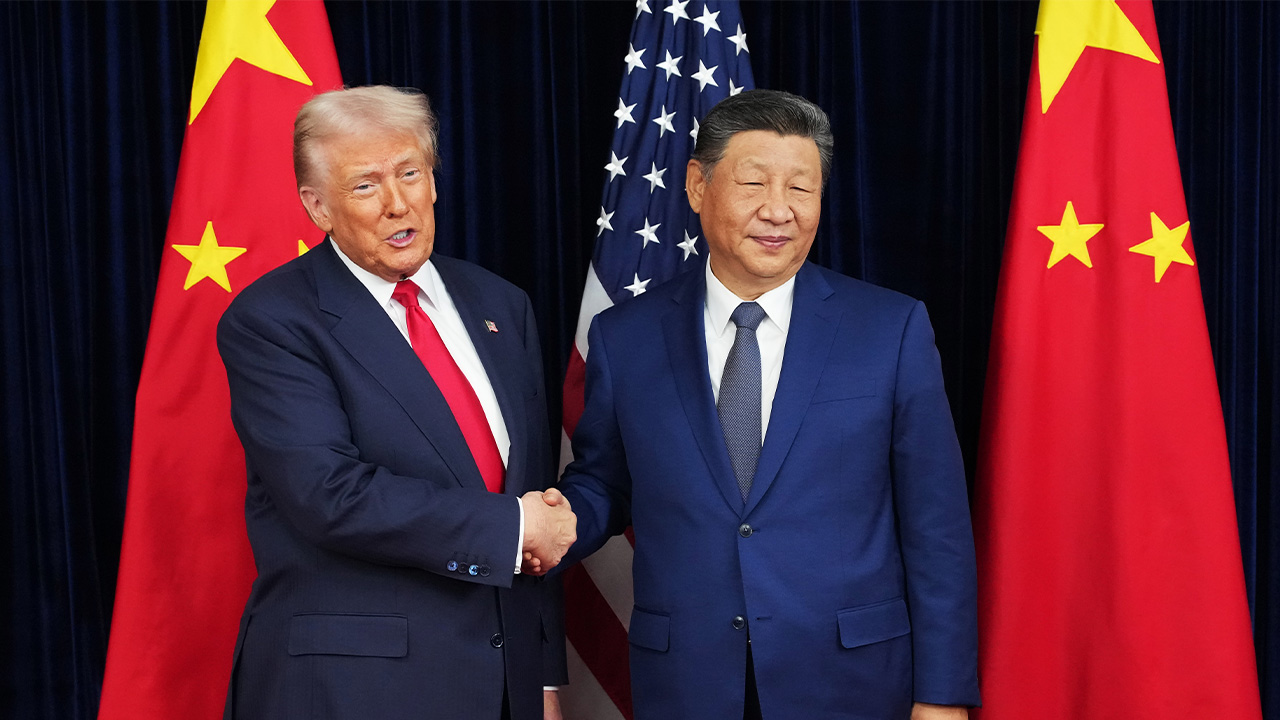
The White House has announced a significant trade agreement between President Donald Trump and Chinese President Xi Jinping, following a bilateral meeting in Busan, South Korea on October 30, 2025. This landmark deal aims to ease tensions between the two largest economies in the world and includes various concessions aimed at fostering better economic relations.
The administration characterized this agreement as a “massive victory” for the United States, emphasizing its potential to protect economic strength and national security while prioritizing American workers, farmers, and families. As detailed in a White House news release, the deal encompasses reductions in U.S. tariffs and Chinese commitments on several critical issues, including the trade of agricultural goods and the flow of fentanyl precursor chemicals.
In a concrete outline of the agreement, China has committed to several key actions. These include suspending new export controls on rare earth elements and issuing general licenses for the exports of rare earths, gallium, germanium, antimony, and graphite. Additionally, China will take “significant measures” to curb the flow of fentanyl into the U.S. and lift retaliatory tariffs imposed since March on U.S. agricultural products, notably soybeans, pork, corn, and dairy goods.
The specifics of China’s commitments also include purchasing 12 million metric tons of U.S. soybeans by the end of the year and pledging to buy 25 million tons annually through 2028. Furthermore, China has agreed to resume imports of U.S. sorghum and hardwood logs, as well as trade from Nexperia’s chip facilities in China. This also involves lifting sanctions that were previously enacted in response to U.S. investigations into China’s maritime, logistics, and shipbuilding sectors.
In exchange for these concessions, the United States will reduce tariffs on Chinese imports by 10 percentage points beginning on November 10, 2025, while maintaining higher reciprocal tariffs suspended until November 10, 2026. The U.S. will also extend certain Section 301 tariff exclusions through November 10, 2026 and delay enforcement of new export rules targeting affiliates of blacklisted Chinese firms.
The White House hailed this agreement as part of a series of “historic wins for the American people” during Trump’s trip to Asia. Alongside this trade deal with China, the visit also resulted in new agreements with Malaysia and Cambodia and established frameworks for negotiations with Thailand and Vietnam. Investment commitments were secured from both Japan and South Korea, further solidifying the outcomes of this diplomatic effort.
“This trade and economic deal caps President Trump’s successful trip to Asia, where he delivered a series of historic wins for the American people,” stated the White House. As the global economy continues to navigate challenges, this agreement marks a pivotal moment in U.S.-China relations and sets the stage for future engagement between the two nations.

Hallmark’s ‘Christmas at the Catnip Café’ Premieres Tonight

Woman Arrested for Threatening U-Haul Worker with Baton

Japan’s PM Takaichi Vows Urgent Fiscal Management Amid Rate Trends

Bitcoin Plummets Below $88K Amid Tether Concerns and Warnings

Tottenville Falls Short in PSAL 4A Title Game Against Erasmus

Shark Teeth Study Reveals Urgent Clues to Prevent Extinction

Church Members Rally Together After Thanksgiving Fire Devastation

U.S. Investment in Canadian Energy Firms Surges Despite Low Oil Prices

Nick Jonas Unveils New Solo Album ‘Sunday Best’ Set for February Release

Urgent Update: Tom Aspinall’s Vision Deteriorates After UFC 321

MIT Scientists Uncover Surprising Genomic Loops During Cell Division

University of Hawaiʻi Joins $25.6M AI Project to Enhance Disaster Monitoring

AI Disruption: AWS Faces Threat as Startups Shift Cloud Focus

Time Crystals Revolutionize Quantum Computing Potential

Honeywell Forecasts Record Business Jet Deliveries Over Next Decade

Discover the Full Map of Pokémon Legends: Z-A’s Lumiose City

GOP Faces Backlash as Protests Surge Against Trump Policies

Parenthood Set to Depart Hulu: What Fans Need to Know
-
 Top Stories1 month ago
Urgent Update: Tom Aspinall’s Vision Deteriorates After UFC 321
-
 Health1 month ago
MIT Scientists Uncover Surprising Genomic Loops During Cell Division
-
Science4 weeks ago
University of Hawaiʻi Joins $25.6M AI Project to Enhance Disaster Monitoring
-
 Top Stories1 month ago
AI Disruption: AWS Faces Threat as Startups Shift Cloud Focus
-
 Science2 months ago
Time Crystals Revolutionize Quantum Computing Potential
-
 World2 months ago
Honeywell Forecasts Record Business Jet Deliveries Over Next Decade
-
 Entertainment1 month ago
Discover the Full Map of Pokémon Legends: Z-A’s Lumiose City
-
 Top Stories2 months ago
GOP Faces Backlash as Protests Surge Against Trump Policies
-
 Entertainment2 months ago
Parenthood Set to Depart Hulu: What Fans Need to Know
-

 Politics2 months ago
Judge Signals Dismissal of Chelsea Housing Case Citing AI Flaws
-

 Sports2 months ago
Yoshinobu Yamamoto Shines in Game 2, Leading Dodgers to Victory
-
 Health2 months ago
Maine Insurers Cut Medicare Advantage Plans Amid Cost Pressures