
Entertainment
Motion Picture Association Demands Meta Stop Using PG-13 for Teen Content

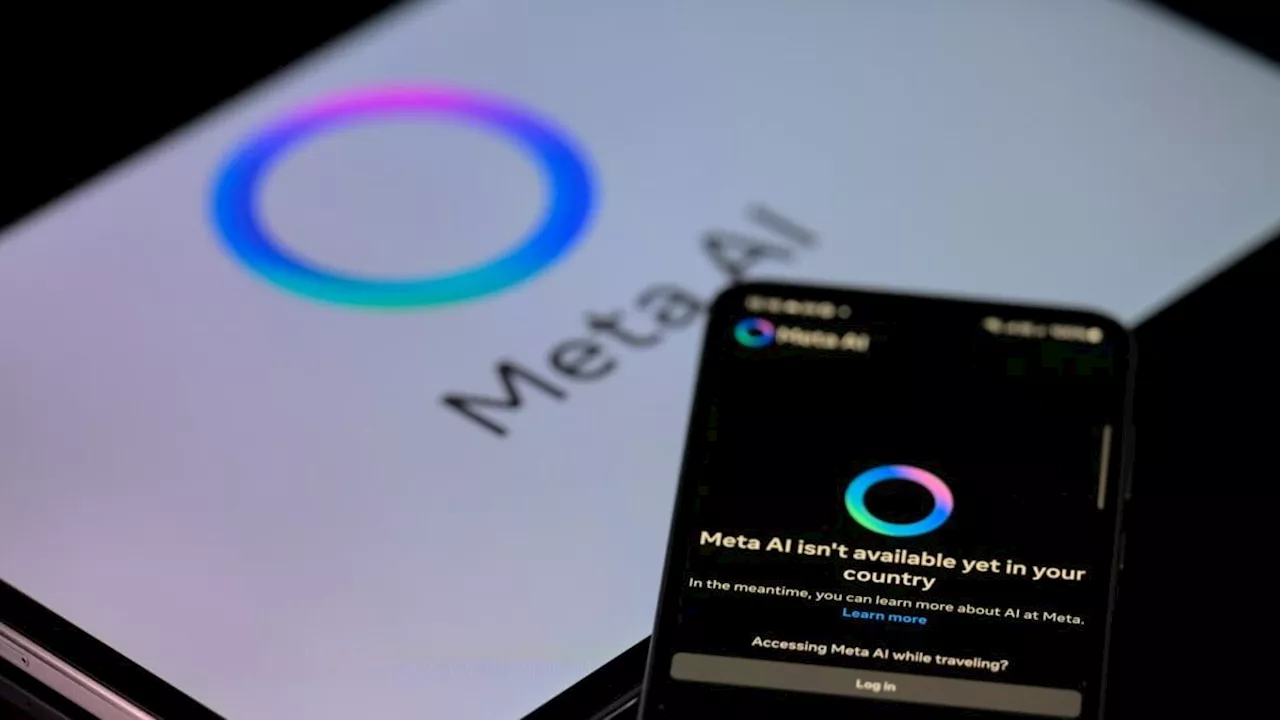
The Motion Picture Association (MPA) has issued a formal request to Meta Platforms, urging the company to cease its use of the term “guided by PG-13 ratings” when describing content available to teen accounts on Instagram. The MPA argues that this characterization is misleading and could undermine public trust in the film industry’s rating system.
In a cease-and-desist letter sent to Meta, the MPA emphasized that the organization was not consulted prior to Meta’s announcement last month, which indicated that Instagram would restrict content for teen accounts to align with PG-13 standards. The association, which has overseen the film rating system for nearly 60 years, contends that Meta’s claims are “false and highly misleading” regarding the alignment of its Teen Accounts with the established movie rating guidelines.
The MPA’s letter points out that the rating system it administers involves parents and guardians who evaluate entire films to determine their ratings, which range from G (General Audience) to NC-17 (No One 17 and Under Admitted). In contrast, the MPA argues that Meta’s content moderation relies heavily on artificial intelligence and automated measures rather than a curated process involving parental oversight.
Meta responded to the MPA’s concerns, stating that its updated teen content policies aim to align better with PG-13 movie standards, a move intended to aid parents in understanding what their teenagers might encounter on the platform. The company clarified that while it recognizes that social media is not equivalent to film, the intention behind the changes was to support families in navigating content.
In its statement, Meta acknowledged that it never intended to imply a partnership with the MPA or that the content available on Instagram had received a rating from the association. The tech giant expressed a desire to work collaboratively with the MPA to ensure clarity for parents.
This ongoing dialogue highlights the complexities of content regulation in the digital age, where platforms like Instagram must balance user engagement with the responsibility of protecting younger audiences. As social media continues to evolve, the intersection of technology and traditional media standards remains a critical area of discussion.
The MPA’s call for Meta to revise its terminology underscores the need for clear communication about content ratings and the mechanisms that guide them. As both organizations navigate this issue, the implications for content moderation and parental guidance in the digital landscape are likely to be significant.

Japan’s PM Takaichi Vows Urgent Fiscal Management Amid Rate Trends

Bitcoin Plummets Below $88K Amid Tether Concerns and Warnings

Tottenville Falls Short in PSAL 4A Title Game Against Erasmus

Shark Teeth Study Reveals Urgent Clues to Prevent Extinction

Church Members Rally Together After Thanksgiving Fire Devastation

U.S. Investment in Canadian Energy Firms Surges Despite Low Oil Prices

Nick Jonas Unveils New Solo Album ‘Sunday Best’ Set for February Release

Researchers Urge Label Changes for Low-Alcohol Drinks to Aid Pregnant Women

Wedding Cookie Table Community Aims for World’s Largest Cookie Exchange

Urgent Update: Tom Aspinall’s Vision Deteriorates After UFC 321

MIT Scientists Uncover Surprising Genomic Loops During Cell Division

University of Hawaiʻi Joins $25.6M AI Project to Enhance Disaster Monitoring

AI Disruption: AWS Faces Threat as Startups Shift Cloud Focus

Time Crystals Revolutionize Quantum Computing Potential

Honeywell Forecasts Record Business Jet Deliveries Over Next Decade

Discover the Full Map of Pokémon Legends: Z-A’s Lumiose City

GOP Faces Backlash as Protests Surge Against Trump Policies

Parenthood Set to Depart Hulu: What Fans Need to Know
-
 Top Stories1 month ago
Urgent Update: Tom Aspinall’s Vision Deteriorates After UFC 321
-
 Health1 month ago
MIT Scientists Uncover Surprising Genomic Loops During Cell Division
-
Science4 weeks ago
University of Hawaiʻi Joins $25.6M AI Project to Enhance Disaster Monitoring
-
 Top Stories1 month ago
AI Disruption: AWS Faces Threat as Startups Shift Cloud Focus
-
 Science2 months ago
Time Crystals Revolutionize Quantum Computing Potential
-
 World2 months ago
Honeywell Forecasts Record Business Jet Deliveries Over Next Decade
-
 Entertainment1 month ago
Discover the Full Map of Pokémon Legends: Z-A’s Lumiose City
-
 Top Stories2 months ago
GOP Faces Backlash as Protests Surge Against Trump Policies
-
 Entertainment2 months ago
Parenthood Set to Depart Hulu: What Fans Need to Know
-

 Politics2 months ago
Judge Signals Dismissal of Chelsea Housing Case Citing AI Flaws
-

 Sports2 months ago
Yoshinobu Yamamoto Shines in Game 2, Leading Dodgers to Victory
-

 Health2 months ago
Maine Insurers Cut Medicare Advantage Plans Amid Cost Pressures