
Health
Democrats Push to Extend Obamacare Subsidies Amid Rising Costs

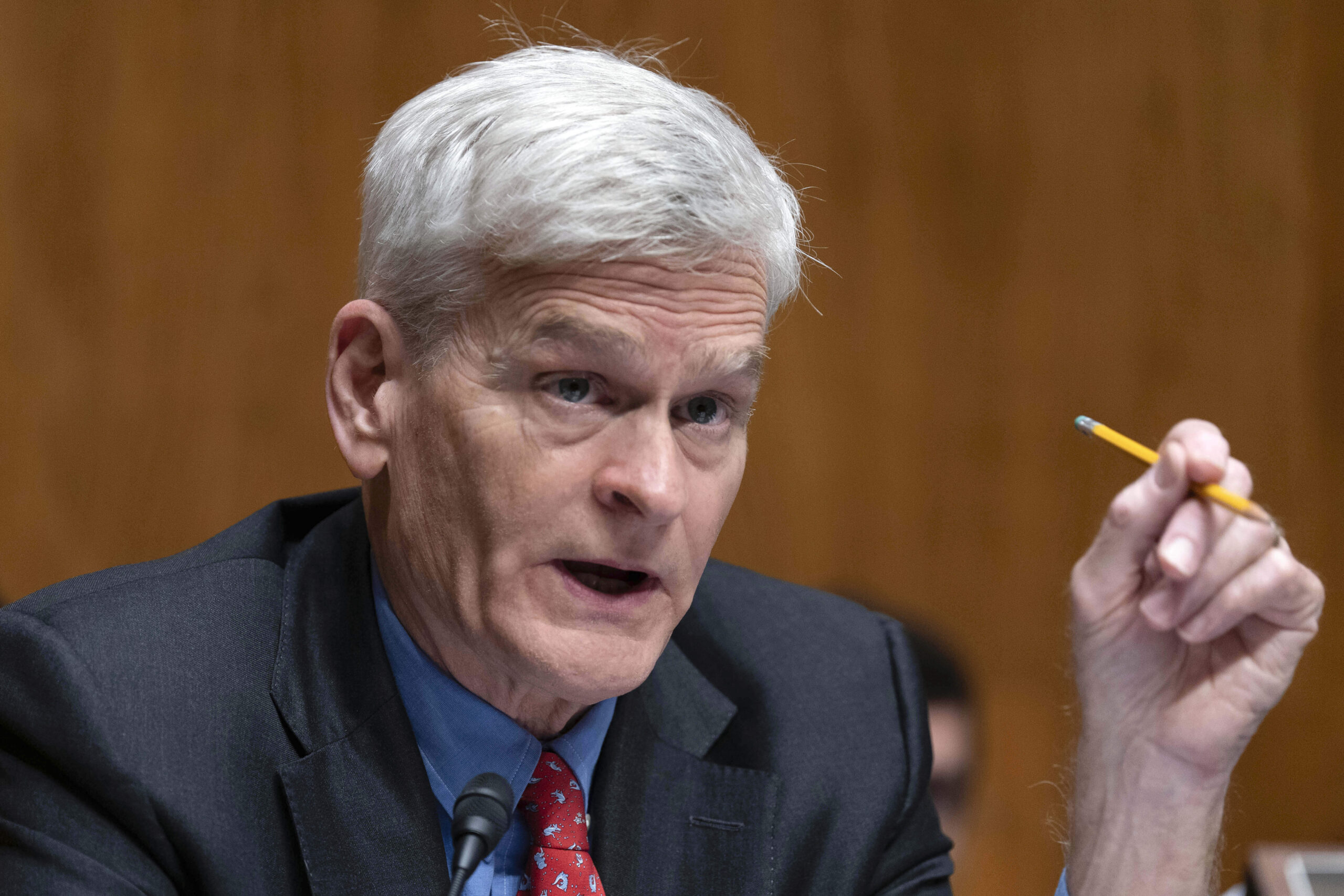
The ongoing debate over healthcare affordability intensifies as Democrats voice concerns about the rising costs of health insurance. According to multiple sources, including prominent policy experts, the plan proposed by Senator Bill Cassidy is unlikely to address the soaring premiums associated with the Affordable Care Act, commonly known as Obamacare.
As the current enhanced subsidies are set to expire on December 31, 2023, Democrats are urging an extension to prevent millions of Americans from facing higher healthcare costs. Without these subsidies, many individuals and families may struggle to afford necessary health coverage.
Democratic leaders argue that the expiration of the enhanced subsidies will lead to significant increases in premiums. A report from the Congressional Budget Office indicates that up to 3 million people could lose their health insurance if the subsidies are not renewed. This situation is particularly concerning for low- and middle-income families who rely heavily on these financial aids to access healthcare services.
Policy experts emphasize that Cassidy’s plan does not provide a viable solution to the ongoing issue of high premiums. They assert that merely extending the current subsidy structure is essential for maintaining access to affordable healthcare. Dr. Leana Wen, a health policy expert and former Baltimore Health Commissioner, stated, “Without enhanced subsidies, we risk pushing healthcare out of reach for many Americans.”
The debate around these subsidies is set against the backdrop of rising healthcare costs across the United States. Premiums have surged in recent years, driven by various factors, including increased provider costs and the economic impacts of the COVID-19 pandemic. According to data from the Kaiser Family Foundation, the average premium for a benchmark plan has increased by 47% since 2020.
In light of these challenges, Democrats are advocating for a legislative solution that would not only extend the current subsidies but also explore additional measures to reduce premium costs. Discussions within Congress are ongoing, and party leaders are keen to reach a bipartisan agreement before the end of the year.
As this situation develops, the stakes remain high for millions of Americans who depend on affordable healthcare. The outcome of these negotiations could significantly impact their financial stability and access to essential medical services.

Church Members Rally Together After Thanksgiving Fire Devastation

U.S. Investment in Canadian Energy Firms Surges Despite Low Oil Prices

Nick Jonas Unveils New Solo Album ‘Sunday Best’ Set for February Release

Researchers Urge Label Changes for Low-Alcohol Drinks to Aid Pregnant Women

Wedding Cookie Table Community Aims for World’s Largest Cookie Exchange

Mayor Appoints Alan Wong as New Supervisor for District 4

UK Report Reveals Growing Role of AI in University Research Assessments

Mayor Lurie Appoints Alan Wong as New District 4 Supervisor

South Korea Strengthens FX Oversight in Urgent Market Stabilization

Urgent Update: Tom Aspinall’s Vision Deteriorates After UFC 321

MIT Scientists Uncover Surprising Genomic Loops During Cell Division

University of Hawaiʻi Joins $25.6M AI Project to Enhance Disaster Monitoring

AI Disruption: AWS Faces Threat as Startups Shift Cloud Focus

Time Crystals Revolutionize Quantum Computing Potential

Honeywell Forecasts Record Business Jet Deliveries Over Next Decade

Discover the Full Map of Pokémon Legends: Z-A’s Lumiose City

GOP Faces Backlash as Protests Surge Against Trump Policies

Parenthood Set to Depart Hulu: What Fans Need to Know
-
 Top Stories1 month ago
Urgent Update: Tom Aspinall’s Vision Deteriorates After UFC 321
-
 Health1 month ago
MIT Scientists Uncover Surprising Genomic Loops During Cell Division
-
Science4 weeks ago
University of Hawaiʻi Joins $25.6M AI Project to Enhance Disaster Monitoring
-
 Top Stories1 month ago
AI Disruption: AWS Faces Threat as Startups Shift Cloud Focus
-
 Science2 months ago
Time Crystals Revolutionize Quantum Computing Potential
-
 World2 months ago
Honeywell Forecasts Record Business Jet Deliveries Over Next Decade
-
 Entertainment1 month ago
Discover the Full Map of Pokémon Legends: Z-A’s Lumiose City
-
 Top Stories2 months ago
GOP Faces Backlash as Protests Surge Against Trump Policies
-
 Entertainment2 months ago
Parenthood Set to Depart Hulu: What Fans Need to Know
-

 Politics2 months ago
Judge Signals Dismissal of Chelsea Housing Case Citing AI Flaws
-

 Sports2 months ago
Yoshinobu Yamamoto Shines in Game 2, Leading Dodgers to Victory
-

 Health2 months ago
Maine Insurers Cut Medicare Advantage Plans Amid Cost Pressures