
Health
Discover Why We Crave Fear: Insights from Experts

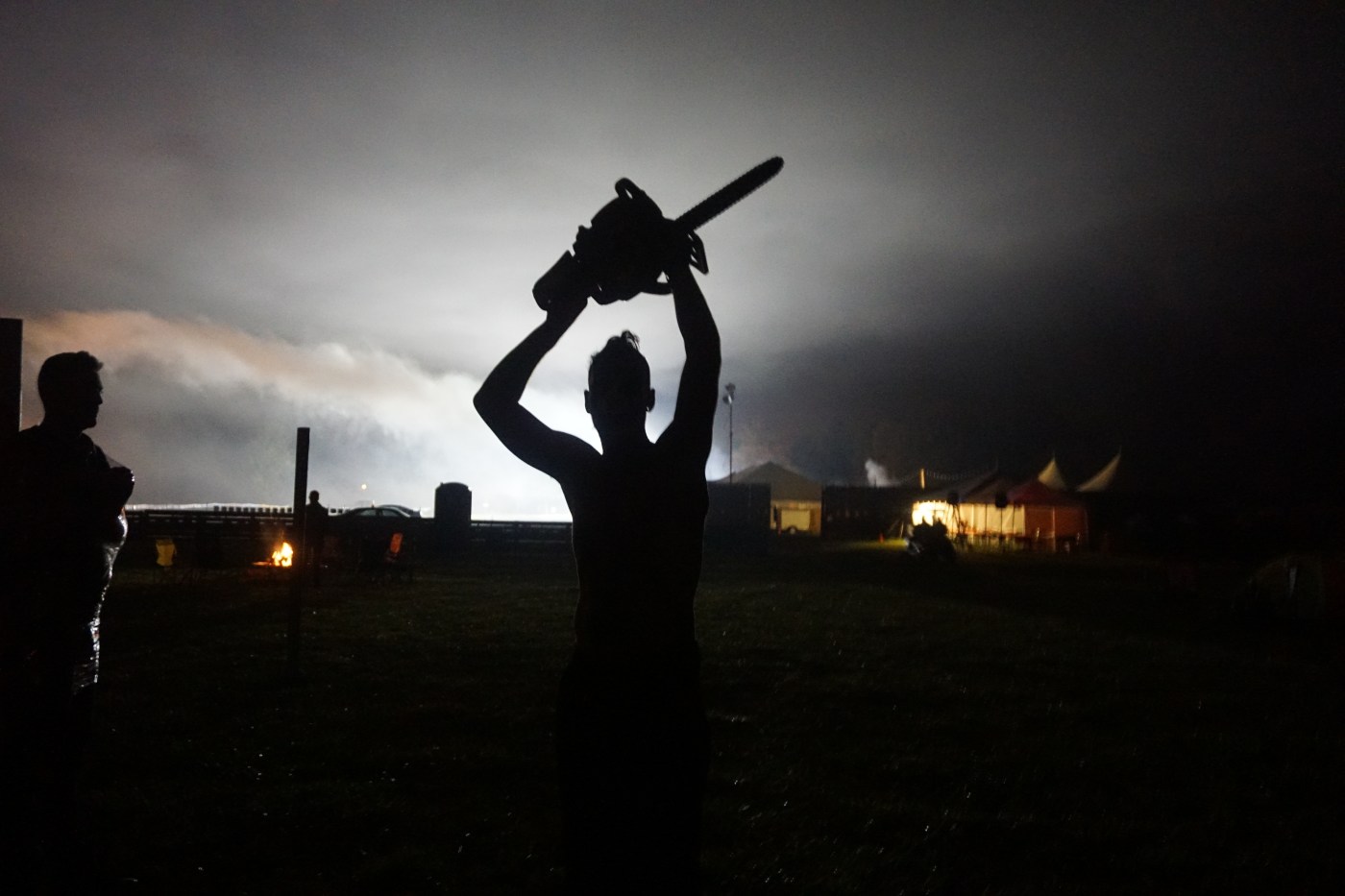
As Halloween approaches, the allure of fear draws many to haunted houses, horror films, and spine-chilling attractions. But why do people willingly seek out terrifying experiences? According to Arash Javanbakht, a clinical psychiatrist at Wayne State University, the fascination with fright is deeply rooted in human biology. He asserts that fear operates as a protective mechanism that has evolved through time.
Javanbakht, who directs the Stress, Trauma and Anxiety Research Clinic at Wayne State, emphasizes that the primitive brain often cannot distinguish between real threats and staged scares. “From a neurological standpoint, there’s an overlap of the primitive brain that doesn’t understand the difference between someone in an alley attacking you with a knife and someone in a costume attacking you with a knife,” he explains. His expertise in the psychology of fear informs his enthusiasm for scary films, including titles like The Exorcist and Hereditary.
Understanding the Thrill of Scary Experiences
The thrill of fear is not merely a personal journey; it is also a shared experience. Lauren Marino, operations manager for Scarefest Screampark in Lenox Township, notes that sudden loud noises are among the most effective tools for eliciting fear responses. “It is something that is just programmed in our DNA, and every haunted attraction exploits that,” Marino states.
Yet, the effectiveness of a haunted house does not solely depend on loud sounds. Marino highlights the art of building anticipation, which enhances the shock of sudden scares. Classic movie scenes, such as the moment in A Quiet Place where silence amplifies anxiety, illustrate how suspense can intensify fear. “A truly great haunted house will make you scream and laugh at the same time,” Marino adds, emphasizing the balance of fun and fright that characterizes successful attractions.
Experiencing fear with others fosters a unique bond among participants. Javanbakht points out that haunted houses are rarely navigated alone, creating a shared, mindful experience. “It gives you a sense of success because you managed to survive,” he notes. The combination of fear and camaraderie enhances the enjoyment of these activities.
Diverse Experiences for Varying Tolerance Levels
Not everyone finds the same things frightening. Recognizing this, many Halloween attractions offer varying levels of fear. At Scarefest, the Hayride of Doom caters to families and those seeking a milder experience, featuring entertaining elements rather than extreme scares. In contrast, the Castle of the Dead attracts thrill-seekers looking for classic jump scares delivered by professional actors.
Marino explains that Halloween and haunted houses provide an escape from reality, allowing people to enter a fantastical world for a night. “It provides a safe space for us to experience fear responses and get a real adrenaline high without actually being in danger,” she explains. This blend of exhilaration and safety is what keeps people returning for more.
As the Halloween season unfolds, the science of fear continues to captivate audiences. Whether through films or immersive experiences, the exploration of fright offers not only entertainment but also insights into human psychology and social connections.

Urgent: Vehicle Fire Closes Two Lanes on I-215 in Salt Lake City

Knicks Dominate Raptors 116-94, Extend Home Winning Streak

Hallmark’s ‘Christmas at the Catnip Café’ Premieres Tonight

Woman Arrested for Threatening U-Haul Worker with Baton

Japan’s PM Takaichi Vows Urgent Fiscal Management Amid Rate Trends

Bitcoin Plummets Below $88K Amid Tether Concerns and Warnings

Tottenville Falls Short in PSAL 4A Title Game Against Erasmus

Shark Teeth Study Reveals Urgent Clues to Prevent Extinction

Church Members Rally Together After Thanksgiving Fire Devastation

Urgent Update: Tom Aspinall’s Vision Deteriorates After UFC 321

MIT Scientists Uncover Surprising Genomic Loops During Cell Division

University of Hawaiʻi Joins $25.6M AI Project to Enhance Disaster Monitoring

AI Disruption: AWS Faces Threat as Startups Shift Cloud Focus

Time Crystals Revolutionize Quantum Computing Potential

Honeywell Forecasts Record Business Jet Deliveries Over Next Decade

Discover the Full Map of Pokémon Legends: Z-A’s Lumiose City

GOP Faces Backlash as Protests Surge Against Trump Policies

Parenthood Set to Depart Hulu: What Fans Need to Know
-
 Top Stories1 month ago
Urgent Update: Tom Aspinall’s Vision Deteriorates After UFC 321
-
 Health1 month ago
MIT Scientists Uncover Surprising Genomic Loops During Cell Division
-
Science4 weeks ago
University of Hawaiʻi Joins $25.6M AI Project to Enhance Disaster Monitoring
-
 Top Stories1 month ago
AI Disruption: AWS Faces Threat as Startups Shift Cloud Focus
-
 Science2 months ago
Time Crystals Revolutionize Quantum Computing Potential
-
 World2 months ago
Honeywell Forecasts Record Business Jet Deliveries Over Next Decade
-
 Entertainment1 month ago
Discover the Full Map of Pokémon Legends: Z-A’s Lumiose City
-
 Top Stories2 months ago
GOP Faces Backlash as Protests Surge Against Trump Policies
-
 Entertainment2 months ago
Parenthood Set to Depart Hulu: What Fans Need to Know
-

 Politics2 months ago
Judge Signals Dismissal of Chelsea Housing Case Citing AI Flaws
-

 Sports2 months ago
Yoshinobu Yamamoto Shines in Game 2, Leading Dodgers to Victory
-

 Health2 months ago
Maine Insurers Cut Medicare Advantage Plans Amid Cost Pressures