
Health
Minnesota Senate Subcommittee Addresses Rising Health Insurance Costs

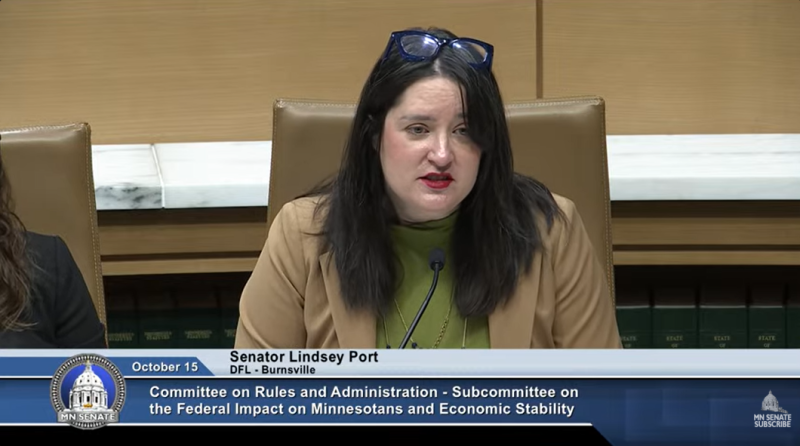
A Minnesota Senate subcommittee convened on October 15, 2023, to discuss the anticipated changes in the state’s health insurance landscape, particularly focusing on rising costs. The meeting featured testimonies from various stakeholders, including hospitals, insurance experts, and business owners, highlighting the financial challenges facing residents as they prepare for the upcoming open enrollment period.
Sen. Lindsey Port, chair of the Subcommittee on the Federal Impact on Minnesotans and Economic Stability, noted that many Minnesotans purchasing individual market insurance are already experiencing significant price increases. “This week, Minnesotans who purchase insurance on the individual market are beginning to shop for the plans they’ll use next year,” Port stated, emphasizing the “sticker shock” that many are encountering.
One of the primary concerns discussed was the impending expiration of the enhanced advance premium tax credit at the end of 2025. This tax credit is crucial for reducing monthly premiums for individuals earning more than 400% of the Federal Poverty Guidelines (FPG). According to Grace Arnold, commissioner of the Minnesota Department of Commerce, approximately half of the 187,000 Minnesotans who rely on the individual market will be impacted by this change. Arnold projected that around 90,000 residents could see an annual cost increase averaging $2,000.
The subcommittee also noted a projected average increase of 21.5% in individual market plan premiums for 2026. The anticipated shift could lead to a higher proportion of sicker, older enrollees as younger, healthier individuals may drop out of the insurance market due to escalating costs. Libby Caulum, CEO of MNsure, illustrated this concern with an example: a family of four in Freeborn County with a household income of $105,000 (or 325% of the FPG) would see their monthly premium leap from $143 in 2025 to $490 in 2026 if they choose the same plan.
The hearing coincided with the start of MNsure shoppers previewing their plan options for 2026, with open enrollment commencing on November 1. The discussion also touched on the anticipated impacts of changes to federal Medicaid provisions under the One Big Beautiful Bill Act. Lynn Blewett, a professor at the University of Minnesota’s School of Public Health, projected that Minnesota could lose up to $154 million in fiscal year 2026, with an estimated 170,000 to 180,000 individuals potentially losing their coverage due to stricter work and verification requirements.
The implications of rising health insurance costs extend beyond individual policyholders. Leaders from the Minnesota Hospital Association expressed concerns over the financial strain that reduced Medicaid enrollment will place on hospitals. They estimate that hospitals statewide could collectively face losses of $354 million in Medicaid payments annually, along with an additional $269 million in charity care expenses for low-income patients. “The nonprofit hospitals and health systems in Minnesota are already in a pretty precarious position,” remarked Mary Krinkie, vice president of government relations at the MHA.
For Zander Abbott, president and CEO of Northfield Hospital and Clinics, the situation is particularly dire. He warned that service line closures at other rural hospitals would lead to increased demand at remaining facilities, creating a challenging environment for healthcare providers. “We’re not going anywhere,” Abbott asserted, “but this is making it harder and harder.”
During her concluding remarks, ranking minority member Sen. Carla Nelson emphasized the need for Minnesota to address rising healthcare costs independently of federal issues. She referenced previous state budget surpluses that have not been allocated to healthcare and the financial losses incurred from recent fraud events. “We want to point our finger at Washington, D.C., and, well, we don’t have that control there,” Nelson said. She urged state lawmakers to focus on actionable solutions while also advocating for federal lawmakers to end the government shutdown and renew the enhanced tax credit.
After the hearing, members of the subcommittee discussed the implications of the ongoing federal government shutdown. For U.S. Senate Democrats, key issues include the renewal of the enhanced tax credit and reversing Medicaid cuts implemented earlier this year. A continuing resolution to fund the government requires 60 votes in the Senate to pass. Port highlighted the necessity of bipartisan cooperation, stating, “When you need the votes, you have to earn the votes.”
The subcommittee, which falls under the Minnesota Senate’s Committee on Rules and Administration, had its first hearing on October 1, focusing on federal cuts to the Supplemental Nutrition Assistance Program (SNAP). As of October 15, no additional hearings have been scheduled.

Church Members Rally Together After Thanksgiving Fire Devastation

U.S. Investment in Canadian Energy Firms Surges Despite Low Oil Prices

Nick Jonas Unveils New Solo Album ‘Sunday Best’ Set for February Release

Researchers Urge Label Changes for Low-Alcohol Drinks to Aid Pregnant Women

Wedding Cookie Table Community Aims for World’s Largest Cookie Exchange

Mayor Appoints Alan Wong as New Supervisor for District 4

UK Report Reveals Growing Role of AI in University Research Assessments

Mayor Lurie Appoints Alan Wong as New District 4 Supervisor

South Korea Strengthens FX Oversight in Urgent Market Stabilization

Urgent Update: Tom Aspinall’s Vision Deteriorates After UFC 321

MIT Scientists Uncover Surprising Genomic Loops During Cell Division

University of Hawaiʻi Joins $25.6M AI Project to Enhance Disaster Monitoring

AI Disruption: AWS Faces Threat as Startups Shift Cloud Focus

Time Crystals Revolutionize Quantum Computing Potential

Honeywell Forecasts Record Business Jet Deliveries Over Next Decade

Discover the Full Map of Pokémon Legends: Z-A’s Lumiose City

Parenthood Set to Depart Hulu: What Fans Need to Know

GOP Faces Backlash as Protests Surge Against Trump Policies
-
 Top Stories1 month ago
Urgent Update: Tom Aspinall’s Vision Deteriorates After UFC 321
-
 Health1 month ago
MIT Scientists Uncover Surprising Genomic Loops During Cell Division
-
Science4 weeks ago
University of Hawaiʻi Joins $25.6M AI Project to Enhance Disaster Monitoring
-
 Top Stories1 month ago
AI Disruption: AWS Faces Threat as Startups Shift Cloud Focus
-
 Science2 months ago
Time Crystals Revolutionize Quantum Computing Potential
-
 World2 months ago
Honeywell Forecasts Record Business Jet Deliveries Over Next Decade
-
 Entertainment1 month ago
Discover the Full Map of Pokémon Legends: Z-A’s Lumiose City
-
 Entertainment2 months ago
Parenthood Set to Depart Hulu: What Fans Need to Know
-
 Top Stories2 months ago
GOP Faces Backlash as Protests Surge Against Trump Policies
-

 Politics2 months ago
Judge Signals Dismissal of Chelsea Housing Case Citing AI Flaws
-

 Sports2 months ago
Yoshinobu Yamamoto Shines in Game 2, Leading Dodgers to Victory
-

 Health2 months ago
Maine Insurers Cut Medicare Advantage Plans Amid Cost Pressures