
Health
New Study Links Ultra-Processed Foods to Rising Colon Cancer Risk

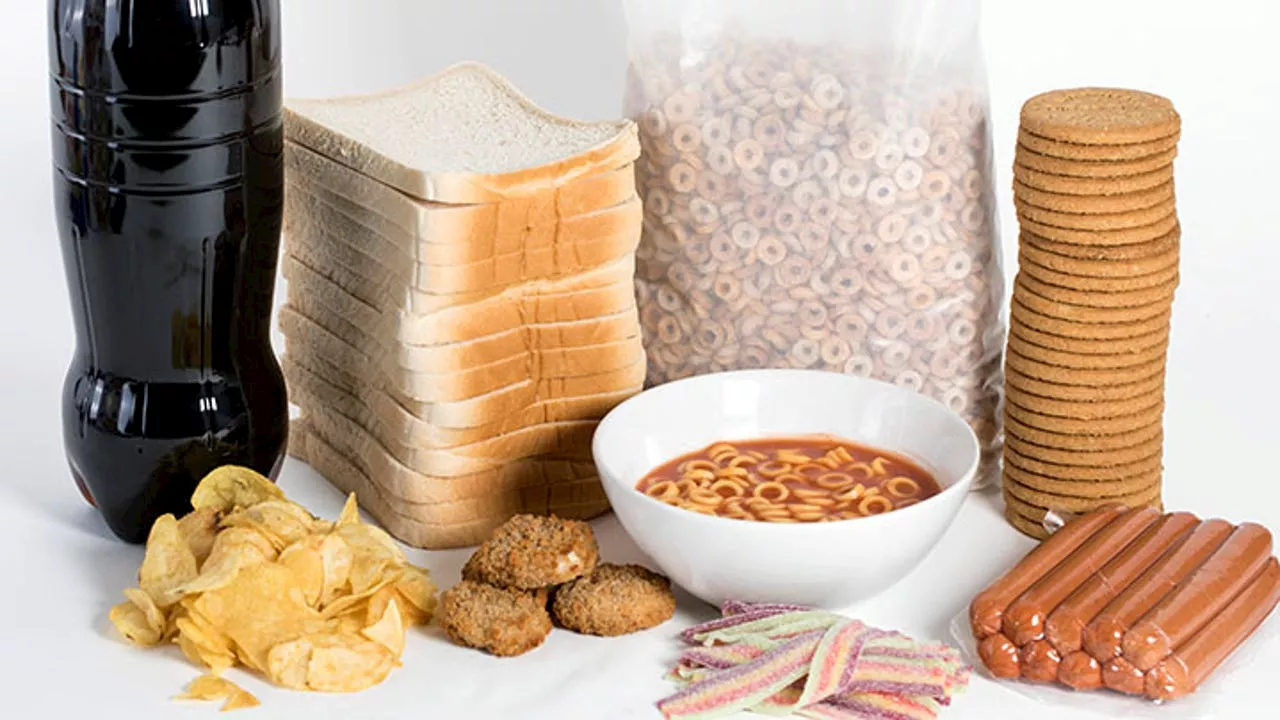
A recent study has established a concerning connection between the consumption of ultra-processed foods and an increased risk of developing early signs of colon cancer in young adults. Conducted by researchers at the Mass General Brigham Cancer Institute, the study evaluated data from nearly 30,000 healthy women and found that a higher intake of ultra-processed foods corresponds with a greater likelihood of developing colorectal precursor lesions, known as colon adenomas.
Ultra-processed foods are commonly defined as items made with industrial ingredients that are not typically found in home kitchens. These products, such as boxed soups, frozen meals, and other items with long shelf lives, constitute approximately 70% of the average American diet, according to public health estimates. The prevalence of these foods has raised alarms among cancer experts, particularly concerning the rising rates of colorectal cancer diagnoses among younger populations.
Dr. Katherine Van Loon, a professor at the University of California, San Francisco (UCSF) and director of the UCS Global Cancer Program, emphasized the significance of these findings in addressing the ongoing rise of colorectal cancer in younger adults. “Every patient in my clinic is very, very young,” she stated. “We’re seeing decreasing rates in people over 45, but rising rates in younger people. This is resulting in a rising mortality rate from an otherwise preventable disease.”
Previous research has identified various risk factors associated with early-onset colorectal cancer, including obesity, Type 2 diabetes, sedentary lifestyles, and diets rich in red and processed meats. However, Dr. Van Loon pointed out that many young patients do not fit these traditional patterns. “That’s why this study is so important,” she noted. “It adds another layer to what may be driving this epidemic.”
While the study did not specify particular foods, it highlighted the general types of ultra-processed items that have become staples for many families, especially those who grew up in the 1970s, 1980s, and 1990s. Dr. Van Loon believes there is still an opportunity for individuals to adopt healthier dietary habits. “We know from tobacco research that when someone stops smoking, their cancer risk decreases,” she explained. “The same could be true for reversing the negative effects of decades of ultra-processed food consumption.”
She advocates for prioritizing fresh foods, including vegetables and unprocessed meats, and stresses the importance of regular screening for colorectal cancer for anyone aged 45 or older. “If someone is experiencing bowel changes, blood in their stool, abdominal pain, cramping, or unexplained weight loss, they should see a doctor,” she advised. “Just because you’re not yet 45 doesn’t mean those symptoms don’t need medical attention.”
Dr. Van Loon’s insights underscore the pressing need for increased awareness and proactive measures to combat this troubling health trend. By promoting healthier eating habits and encouraging early medical intervention, there is potential to reverse the alarming rise in colorectal cancer diagnoses among younger adults.

Church Members Rally Together After Thanksgiving Fire Devastation

U.S. Investment in Canadian Energy Firms Surges Despite Low Oil Prices

Nick Jonas Unveils New Solo Album ‘Sunday Best’ Set for February Release

Researchers Urge Label Changes for Low-Alcohol Drinks to Aid Pregnant Women

Wedding Cookie Table Community Aims for World’s Largest Cookie Exchange

Mayor Appoints Alan Wong as New Supervisor for District 4

UK Report Reveals Growing Role of AI in University Research Assessments

Mayor Lurie Appoints Alan Wong as New District 4 Supervisor

South Korea Strengthens FX Oversight in Urgent Market Stabilization

Urgent Update: Tom Aspinall’s Vision Deteriorates After UFC 321

MIT Scientists Uncover Surprising Genomic Loops During Cell Division

University of Hawaiʻi Joins $25.6M AI Project to Enhance Disaster Monitoring

AI Disruption: AWS Faces Threat as Startups Shift Cloud Focus

Time Crystals Revolutionize Quantum Computing Potential

Honeywell Forecasts Record Business Jet Deliveries Over Next Decade

Discover the Full Map of Pokémon Legends: Z-A’s Lumiose City

GOP Faces Backlash as Protests Surge Against Trump Policies

Parenthood Set to Depart Hulu: What Fans Need to Know
-
 Top Stories1 month ago
Urgent Update: Tom Aspinall’s Vision Deteriorates After UFC 321
-
 Health1 month ago
MIT Scientists Uncover Surprising Genomic Loops During Cell Division
-
Science4 weeks ago
University of Hawaiʻi Joins $25.6M AI Project to Enhance Disaster Monitoring
-
 Top Stories1 month ago
AI Disruption: AWS Faces Threat as Startups Shift Cloud Focus
-
 Science2 months ago
Time Crystals Revolutionize Quantum Computing Potential
-
 World2 months ago
Honeywell Forecasts Record Business Jet Deliveries Over Next Decade
-
 Entertainment1 month ago
Discover the Full Map of Pokémon Legends: Z-A’s Lumiose City
-
 Top Stories2 months ago
GOP Faces Backlash as Protests Surge Against Trump Policies
-
 Entertainment2 months ago
Parenthood Set to Depart Hulu: What Fans Need to Know
-

 Politics2 months ago
Judge Signals Dismissal of Chelsea Housing Case Citing AI Flaws
-

 Sports2 months ago
Yoshinobu Yamamoto Shines in Game 2, Leading Dodgers to Victory
-

 Health2 months ago
Maine Insurers Cut Medicare Advantage Plans Amid Cost Pressures