
Health
Protein Dominates Food Industry with High-Protein Trends

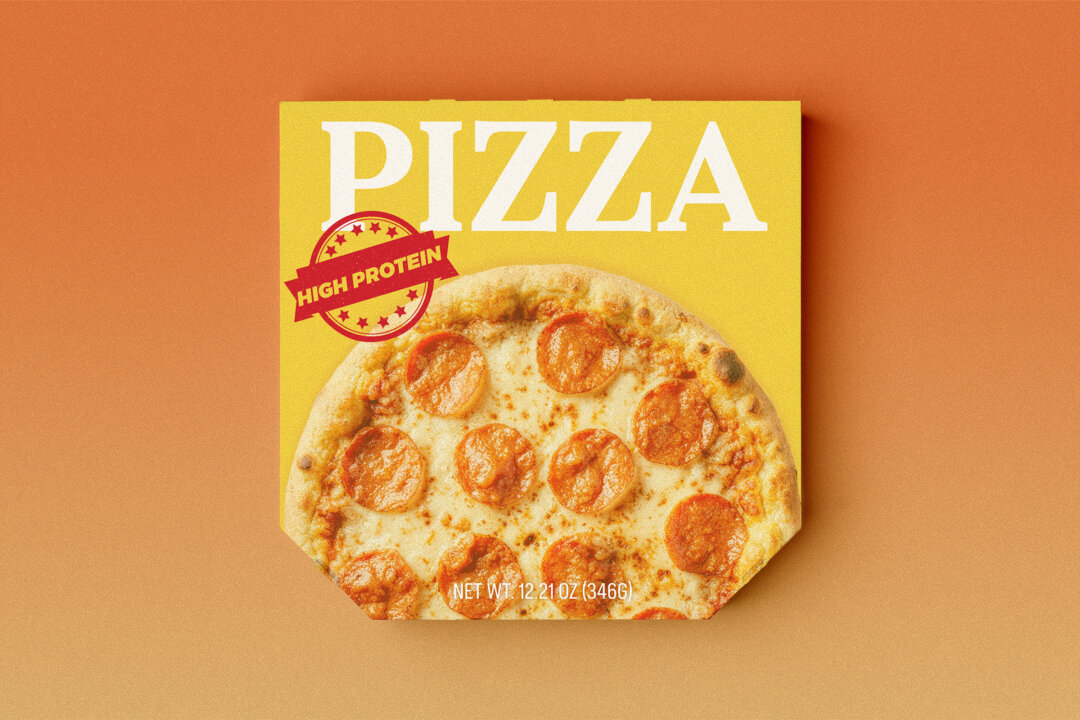
Protein has emerged as a central focus for food marketers, permeating a wide range of products across grocery stores and coffee shops. From cookies and pasta to high-protein lattes and even protein-infused water, consumers are increasingly inundated with options that tout elevated protein content. This trend reflects a growing global market that is now valued at approximately $117 billion, driven by rising demand for nutritious meals and snacks that promote fitness, weight management, and overall wellness.
In the United States, the Centers for Disease Control and Prevention (CDC) reports that most adults meet the recommended daily allowance for protein. Yet, a significant portion of the population, around 79 percent, remains uncertain about their actual protein needs. This lack of awareness makes consumers particularly vulnerable to marketing strategies that emphasize high-protein claims.
As shoppers navigate the aisles, they encounter numerous products cleverly branded with high-protein labels. These can range from traditional staples like cereal and bagels to innovative offerings like high-protein water, which has gained traction both online and in major retail outlets. The appeal of these products lies not only in their nutritional content but also in the lifestyle aspirations they represent.
The protein trend has extended beyond grocery stores into the realm of social media, where influencers promote higher protein diets as part of a healthier lifestyle. This has created a feedback loop where consumer interest fuels product innovation, leading brands to develop increasingly diverse offerings to cater to the market’s appetite for protein-rich foods.
Brands are capitalizing on the notion that increasing protein intake contributes to better health outcomes, including enhanced muscle growth and improved satiety. As a result, consumers are often inclined to choose products they perceive as healthier, even when those products may be ultra-processed.
This marketing phenomenon raises important questions about nutritional awareness and the impact of food marketing on public health. While protein plays a crucial role in diet, the emphasis on high-protein products may overlook the importance of a balanced diet that incorporates a variety of nutrients.
As the industry continues to evolve, consumers should remain vigilant about understanding their dietary needs. Experts recommend consulting with healthcare professionals or registered dietitians to determine appropriate protein intake tailored to individual lifestyles and health goals.
In summary, the rise of protein as a trendy macronutrient signifies a shift in consumer preferences and food marketing strategies. With the global market thriving, it is essential for consumers to navigate the landscape of high-protein products with a critical eye, ensuring that their dietary choices support their overall health and well-being.

Hallmark’s ‘Christmas at the Catnip Café’ Premieres Tonight

Woman Arrested for Threatening U-Haul Worker with Baton

Japan’s PM Takaichi Vows Urgent Fiscal Management Amid Rate Trends

Bitcoin Plummets Below $88K Amid Tether Concerns and Warnings

Tottenville Falls Short in PSAL 4A Title Game Against Erasmus

Shark Teeth Study Reveals Urgent Clues to Prevent Extinction

Church Members Rally Together After Thanksgiving Fire Devastation

U.S. Investment in Canadian Energy Firms Surges Despite Low Oil Prices

Nick Jonas Unveils New Solo Album ‘Sunday Best’ Set for February Release

Urgent Update: Tom Aspinall’s Vision Deteriorates After UFC 321

MIT Scientists Uncover Surprising Genomic Loops During Cell Division

University of Hawaiʻi Joins $25.6M AI Project to Enhance Disaster Monitoring

AI Disruption: AWS Faces Threat as Startups Shift Cloud Focus

Time Crystals Revolutionize Quantum Computing Potential

Honeywell Forecasts Record Business Jet Deliveries Over Next Decade

Discover the Full Map of Pokémon Legends: Z-A’s Lumiose City

GOP Faces Backlash as Protests Surge Against Trump Policies

Parenthood Set to Depart Hulu: What Fans Need to Know
-
 Top Stories1 month ago
Urgent Update: Tom Aspinall’s Vision Deteriorates After UFC 321
-
 Health1 month ago
MIT Scientists Uncover Surprising Genomic Loops During Cell Division
-
Science4 weeks ago
University of Hawaiʻi Joins $25.6M AI Project to Enhance Disaster Monitoring
-
 Top Stories1 month ago
AI Disruption: AWS Faces Threat as Startups Shift Cloud Focus
-
 Science2 months ago
Time Crystals Revolutionize Quantum Computing Potential
-
 World2 months ago
Honeywell Forecasts Record Business Jet Deliveries Over Next Decade
-
 Entertainment1 month ago
Discover the Full Map of Pokémon Legends: Z-A’s Lumiose City
-
 Top Stories2 months ago
GOP Faces Backlash as Protests Surge Against Trump Policies
-
 Entertainment2 months ago
Parenthood Set to Depart Hulu: What Fans Need to Know
-

 Politics2 months ago
Judge Signals Dismissal of Chelsea Housing Case Citing AI Flaws
-

 Sports2 months ago
Yoshinobu Yamamoto Shines in Game 2, Leading Dodgers to Victory
-

 Health2 months ago
Maine Insurers Cut Medicare Advantage Plans Amid Cost Pressures