
Health
Scientists Unveil Innovative Strategies to Combat Autoimmune Diseases

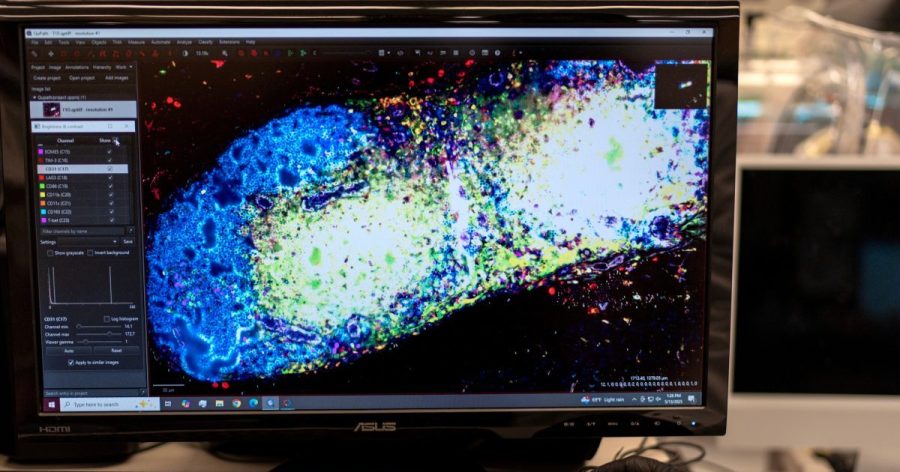
Researchers are exploring an innovative approach to treat autoimmune diseases such as rheumatoid arthritis, multiple sclerosis, and lupus. This bold method aims to reprogram the immune system, potentially offering new hope for millions affected by these debilitating conditions. A team from the University of Pennsylvania is spearheading clinical trials that could redefine treatment strategies.
Revolutionizing Autoimmune Disease Treatment
In traditional treatments, managing autoimmune diseases often involves suppressing the immune system, leaving patients vulnerable to infections and other complications. The new strategy, however, focuses on correcting the underlying immune dysfunction rather than merely alleviating symptoms. Researchers believe that by targeting specific immune cells, they can restore balance and reduce the severity of autoimmune reactions.
As of now, the study is in its early stages, with the first phase of clinical trials set to begin in 2024. The approach has garnered attention due to its potential to not only alleviate symptoms but also provide a long-lasting solution for patients. The implications of this research are significant, as autoimmune diseases affect approximately 50 million people in the United States alone, according to the National Institutes of Health.
Clinical Trials and Future Prospects
The trials aim to evaluate the efficacy and safety of the new treatment in a controlled environment. Participants will be monitored closely to assess how their bodies respond to the immune system reprogramming. This method could pave the way for more personalized treatment plans, tailored to the specific needs of each patient.
Dr. Emily Chen, the lead researcher at the University of Pennsylvania, stated, “Our goal is to provide a safer and more effective way to manage autoimmune diseases. By understanding the unique mechanisms at play, we hope to help patients regain their quality of life.”
The research community is optimistic about these developments. If successful, this approach could change how autoimmune diseases are treated globally. The potential benefits extend beyond individual patients, impacting healthcare systems by reducing the long-term costs associated with chronic disease management.
As the trials progress, researchers will continue to gather data and refine their methods. The collaboration between various institutions and healthcare providers will be crucial in ensuring the success of this innovative approach.
With the landscape of autoimmune disease treatment on the brink of transformation, the coming years will be pivotal. Scientists are hopeful that this research will lead to breakthroughs that not only improve treatment outcomes but also inspire further advancements in the field.

Tottenville Falls Short in PSAL 4A Title Game Against Erasmus

Shark Teeth Study Reveals Urgent Clues to Prevent Extinction

Church Members Rally Together After Thanksgiving Fire Devastation

U.S. Investment in Canadian Energy Firms Surges Despite Low Oil Prices

Nick Jonas Unveils New Solo Album ‘Sunday Best’ Set for February Release

Researchers Urge Label Changes for Low-Alcohol Drinks to Aid Pregnant Women

Wedding Cookie Table Community Aims for World’s Largest Cookie Exchange

Mayor Appoints Alan Wong as New Supervisor for District 4

UK Report Reveals Growing Role of AI in University Research Assessments

Urgent Update: Tom Aspinall’s Vision Deteriorates After UFC 321

MIT Scientists Uncover Surprising Genomic Loops During Cell Division

University of Hawaiʻi Joins $25.6M AI Project to Enhance Disaster Monitoring

AI Disruption: AWS Faces Threat as Startups Shift Cloud Focus

Time Crystals Revolutionize Quantum Computing Potential

Honeywell Forecasts Record Business Jet Deliveries Over Next Decade

Discover the Full Map of Pokémon Legends: Z-A’s Lumiose City

GOP Faces Backlash as Protests Surge Against Trump Policies

Parenthood Set to Depart Hulu: What Fans Need to Know
-
 Top Stories1 month ago
Urgent Update: Tom Aspinall’s Vision Deteriorates After UFC 321
-
 Health1 month ago
MIT Scientists Uncover Surprising Genomic Loops During Cell Division
-
Science4 weeks ago
University of Hawaiʻi Joins $25.6M AI Project to Enhance Disaster Monitoring
-
 Top Stories1 month ago
AI Disruption: AWS Faces Threat as Startups Shift Cloud Focus
-
 Science2 months ago
Time Crystals Revolutionize Quantum Computing Potential
-
 World2 months ago
Honeywell Forecasts Record Business Jet Deliveries Over Next Decade
-
 Entertainment1 month ago
Discover the Full Map of Pokémon Legends: Z-A’s Lumiose City
-
 Top Stories2 months ago
GOP Faces Backlash as Protests Surge Against Trump Policies
-
 Entertainment2 months ago
Parenthood Set to Depart Hulu: What Fans Need to Know
-

 Politics2 months ago
Judge Signals Dismissal of Chelsea Housing Case Citing AI Flaws
-

 Sports2 months ago
Yoshinobu Yamamoto Shines in Game 2, Leading Dodgers to Victory
-

 Health2 months ago
Maine Insurers Cut Medicare Advantage Plans Amid Cost Pressures