
Lifestyle
ICE Deports Veteran Jose Barco-Chirino to Mexico After Service

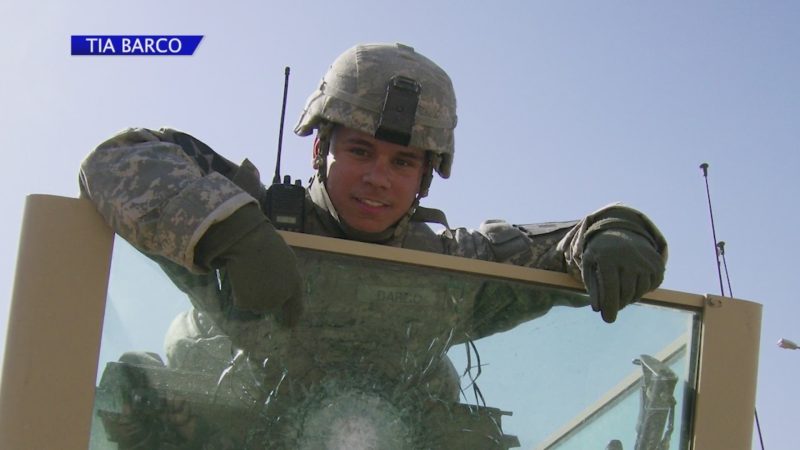
Jose Barco-Chirino, a combat veteran and recipient of the Purple Heart, has been deported to Mexico by the U.S. Immigration and Customs Enforcement (ICE). This decision has raised significant concerns about the treatment of military veterans who face immigration issues.
Barco-Chirino, who served two tours in Iraq, was injured in combat and has been living in the United States for years. He applied for citizenship while deployed in 2006. Despite his service to the country, he was unable to secure his citizenship before being detained and subsequently deported.
Background of the Case
Originally from Mexico, Barco-Chirino moved to the United States at the age of 15. His military service spanned a critical time in the Iraq War, during which he sustained injuries that earned him the prestigious Purple Heart. His application for citizenship was part of his commitment to fully integrate into American society.
After returning from deployment, Barco-Chirino faced challenges in navigating the immigration system. His legal status became precarious, leading to his detention by ICE in 2023. Advocates argue that veterans like Barco-Chirino should be protected from deportation due to their service and sacrifices.
Reactions and Implications
The deportation of Barco-Chirino has sparked outrage among veteran advocacy groups. Organizations such as the American Legion and Veterans of Foreign Wars have voiced their disapproval, urging the government to reconsider policies that affect veterans facing deportation.
According to a statement from the American Legion, “It is unconscionable to deport a veteran who has sacrificed for this nation.” Many advocates emphasize that veterans should receive support and assistance in their citizenship applications rather than facing removal from the country they served.
Barco-Chirino’s case underscores a broader issue affecting many veterans who encounter legal and immigration hurdles. As the debate over immigration reform continues, his situation highlights the need for policies that recognize the contributions of military personnel to society.
The community in Denver, Colorado, where Barco-Chirino lived, has rallied in support of him. Local residents have organized protests and campaigns to raise awareness about his plight and advocate for changes in immigration laws that would protect veterans.
As the conversation around immigration reform evolves, stories like that of Jose Barco-Chirino serve as a poignant reminder of the complexities faced by those who have served in the U.S. military. The hope remains that his case will lead to greater understanding and change in how veterans are treated within the immigration system.

Tottenville Falls Short in PSAL 4A Title Game Against Erasmus

Shark Teeth Study Reveals Urgent Clues to Prevent Extinction

Church Members Rally Together After Thanksgiving Fire Devastation

U.S. Investment in Canadian Energy Firms Surges Despite Low Oil Prices

Nick Jonas Unveils New Solo Album ‘Sunday Best’ Set for February Release

Researchers Urge Label Changes for Low-Alcohol Drinks to Aid Pregnant Women

Wedding Cookie Table Community Aims for World’s Largest Cookie Exchange

Mayor Appoints Alan Wong as New Supervisor for District 4

UK Report Reveals Growing Role of AI in University Research Assessments

Urgent Update: Tom Aspinall’s Vision Deteriorates After UFC 321

MIT Scientists Uncover Surprising Genomic Loops During Cell Division

University of Hawaiʻi Joins $25.6M AI Project to Enhance Disaster Monitoring

AI Disruption: AWS Faces Threat as Startups Shift Cloud Focus

Time Crystals Revolutionize Quantum Computing Potential

Honeywell Forecasts Record Business Jet Deliveries Over Next Decade

Discover the Full Map of Pokémon Legends: Z-A’s Lumiose City

GOP Faces Backlash as Protests Surge Against Trump Policies

Parenthood Set to Depart Hulu: What Fans Need to Know
-
 Top Stories1 month ago
Urgent Update: Tom Aspinall’s Vision Deteriorates After UFC 321
-
 Health1 month ago
MIT Scientists Uncover Surprising Genomic Loops During Cell Division
-
Science4 weeks ago
University of Hawaiʻi Joins $25.6M AI Project to Enhance Disaster Monitoring
-
 Top Stories1 month ago
AI Disruption: AWS Faces Threat as Startups Shift Cloud Focus
-
 Science2 months ago
Time Crystals Revolutionize Quantum Computing Potential
-
 World2 months ago
Honeywell Forecasts Record Business Jet Deliveries Over Next Decade
-
 Entertainment1 month ago
Discover the Full Map of Pokémon Legends: Z-A’s Lumiose City
-
 Top Stories2 months ago
GOP Faces Backlash as Protests Surge Against Trump Policies
-
 Entertainment2 months ago
Parenthood Set to Depart Hulu: What Fans Need to Know
-

 Politics2 months ago
Judge Signals Dismissal of Chelsea Housing Case Citing AI Flaws
-

 Sports2 months ago
Yoshinobu Yamamoto Shines in Game 2, Leading Dodgers to Victory
-

 Health2 months ago
Maine Insurers Cut Medicare Advantage Plans Amid Cost Pressures