
Politics
Americans Question Obamacare as Billions Flow to Insurers

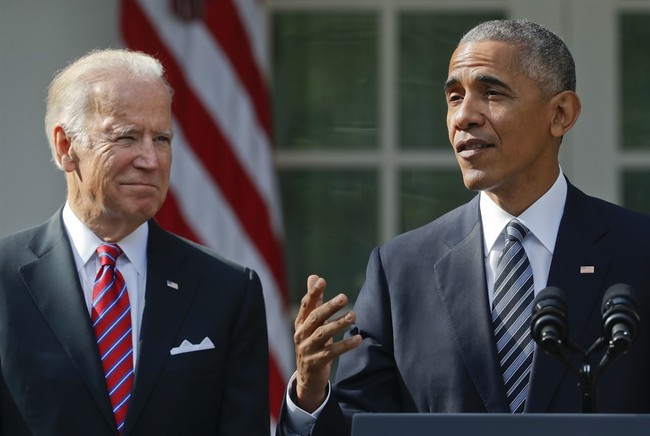
Recent discussions surrounding the Affordable Care Act, commonly known as Obamacare, have ignited debates about its effectiveness and the financial implications for American taxpayers. Critics argue that the program disproportionately benefits insurance companies and hospital systems while leaving many citizens struggling with high out-of-pocket costs.
Every year, the United States Government allocates approximately $40 billion to insurance companies as part of the structure intended to assist American citizens with their healthcare expenses. This funding is meant to lower monthly premiums and reduce out-of-pocket costs for patients. However, many contend that despite this significant financial support, the actual benefits to consumers remain minimal.
Understanding the Financial Dynamics of Obamacare
When individuals purchase health insurance through the Obamacare marketplace, they receive support in two primary forms: premium subsidies and cost-sharing reductions. The former helps to lower monthly payments, while the latter aims to reduce the amount individuals have to pay when they visit healthcare providers. Critics assert that the system is flawed, as the substantial financial assistance to insurers does not translate into affordable healthcare for most Americans.
The automatic distribution of $40 billion to insurance companies occurs without congressional oversight, meaning there is no opportunity for lawmakers to assess or alter this flow of funds. This arrangement has raised concerns about accountability and the effectiveness of the program. Despite receiving these funds, patients often face high deductibles, which can reach $8,000, and significant co-pays, making it difficult for them to access necessary healthcare services.
In addition to the billions allocated to insurers, nonprofit hospitals reportedly receive over $125 billion annually in tax breaks. These hospitals benefit from exemptions on property taxes, income taxes, and sales taxes, as well as direct Medicare overpayments estimated at $28 billion. They are compensated significantly more for services compared to independent medical practitioners, which raises questions about the sustainability of healthcare costs.
Who Benefits and Who Loses?
The term “nonprofit” has come under scrutiny as hospital executives earn salaries that can exceed $6 million per year, and these organizations spend substantial amounts on marketing and lobbying efforts. Critics argue that in practice, these institutions operate similarly to for-profit entities, especially when they pursue aggressive financial strategies against patients unable to pay their medical bills.
The current structure leaves many Americans feeling financially burdened. They find themselves paying through taxes, healthcare premiums, and exorbitant medical bills, which often have inflated prices for basic services. This reality results in a triple financial hit for individuals who rely on the healthcare system.
As debates continue about the future of the Affordable Care Act, lawmakers such as Richard Blumenthal and Chuck Schumer are at the forefront of discussions surrounding healthcare funding and policy. Blumenthal has voiced concerns over the implications of government shutdowns related to healthcare funding, emphasizing the need for a system that prioritizes patient care over profit.
In summary, the financial implications of Obamacare are complex and multifaceted. With nearly $200 billion in subsidies directed at insurance companies and nonprofit hospitals annually, many Americans are questioning whether the intended benefits of the program are reaching those who need it most. As these discussions evolve, the call for transparency and reform in the healthcare system remains a pressing issue for lawmakers and citizens alike.

Japan’s PM Takaichi Vows Urgent Fiscal Management Amid Rate Trends

Bitcoin Plummets Below $88K Amid Tether Concerns and Warnings

Tottenville Falls Short in PSAL 4A Title Game Against Erasmus

Shark Teeth Study Reveals Urgent Clues to Prevent Extinction

Church Members Rally Together After Thanksgiving Fire Devastation

U.S. Investment in Canadian Energy Firms Surges Despite Low Oil Prices

Nick Jonas Unveils New Solo Album ‘Sunday Best’ Set for February Release

Researchers Urge Label Changes for Low-Alcohol Drinks to Aid Pregnant Women

Wedding Cookie Table Community Aims for World’s Largest Cookie Exchange

Urgent Update: Tom Aspinall’s Vision Deteriorates After UFC 321

MIT Scientists Uncover Surprising Genomic Loops During Cell Division

University of Hawaiʻi Joins $25.6M AI Project to Enhance Disaster Monitoring

AI Disruption: AWS Faces Threat as Startups Shift Cloud Focus

Time Crystals Revolutionize Quantum Computing Potential

Honeywell Forecasts Record Business Jet Deliveries Over Next Decade

Discover the Full Map of Pokémon Legends: Z-A’s Lumiose City

GOP Faces Backlash as Protests Surge Against Trump Policies

Parenthood Set to Depart Hulu: What Fans Need to Know
-
 Top Stories1 month ago
Urgent Update: Tom Aspinall’s Vision Deteriorates After UFC 321
-
 Health1 month ago
MIT Scientists Uncover Surprising Genomic Loops During Cell Division
-
Science4 weeks ago
University of Hawaiʻi Joins $25.6M AI Project to Enhance Disaster Monitoring
-
 Top Stories1 month ago
AI Disruption: AWS Faces Threat as Startups Shift Cloud Focus
-
 Science2 months ago
Time Crystals Revolutionize Quantum Computing Potential
-
 World2 months ago
Honeywell Forecasts Record Business Jet Deliveries Over Next Decade
-
 Entertainment1 month ago
Discover the Full Map of Pokémon Legends: Z-A’s Lumiose City
-
 Top Stories2 months ago
GOP Faces Backlash as Protests Surge Against Trump Policies
-
 Entertainment2 months ago
Parenthood Set to Depart Hulu: What Fans Need to Know
-

 Politics2 months ago
Judge Signals Dismissal of Chelsea Housing Case Citing AI Flaws
-

 Sports2 months ago
Yoshinobu Yamamoto Shines in Game 2, Leading Dodgers to Victory
-

 Health2 months ago
Maine Insurers Cut Medicare Advantage Plans Amid Cost Pressures