
Politics
Appeals Court Halts Daily Briefings for Border Patrol Chief

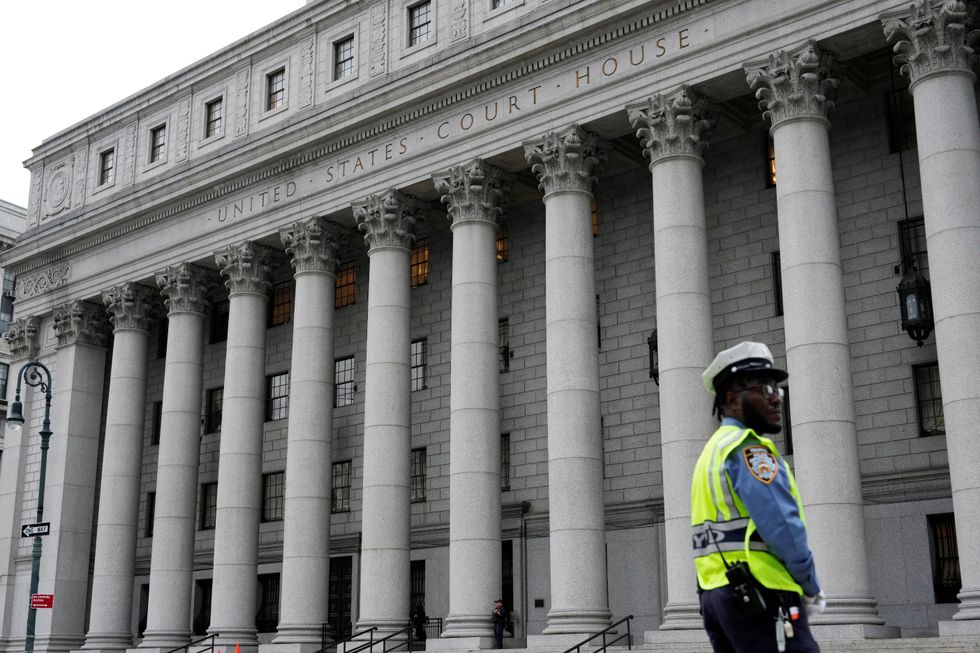
The 7th Circuit Court of Appeals has temporarily suspended a lower court’s directive that required Greg Bovino, the chief of Customs and Border Patrol, to provide daily updates to U.S. District Judge Sara Ellis regarding the treatment of civilians during immigration raids. This decision came swiftly after the Department of Justice filed a motion contesting Judge Ellis’s order, which was issued earlier on October 28, 2023.
The appeals court’s order noted that the government’s request for an administrative stay has been approved. It specifically stated, “Pending a decision on the petition for a writ of mandamus, the District Court’s October 28 order is temporarily stayed only to the extent it required Greg Bovino to appear in court, in person.” This response indicates the court’s willingness to review the legal implications of the lower court’s demands.
The context of this legal tussle lies in the ongoing scrutiny of President Donald Trump’s immigration enforcement strategies. These tactics, which have included the deployment of the National Guard to manage protests and the use of masked agents in immigration court arrests, have faced significant opposition from various civil rights organizations. These groups argue that such measures not only infringe on civil liberties but also undermine the judicial process.
The implications of the appeals court’s ruling are profound, as they reflect broader issues surrounding immigration policy and enforcement practices in the United States. As the legal battles continue, the relationship between law enforcement and the judicial system remains a focal point of public discourse.
The decision to halt the daily briefings underscores the ongoing debate over the balance of power between federal agencies and the judiciary, particularly in matters related to immigration enforcement. Legal experts and advocates are closely monitoring the situation, as the outcome could influence future policies and practices within the Customs and Border Patrol.
This development marks a significant moment in the evolving landscape of immigration law and civil rights in the United States, as stakeholders await further clarity on the legal parameters governing such enforcement actions.

Hallmark’s ‘Christmas at the Catnip Café’ Premieres Tonight

Woman Arrested for Threatening U-Haul Worker with Baton

Japan’s PM Takaichi Vows Urgent Fiscal Management Amid Rate Trends

Bitcoin Plummets Below $88K Amid Tether Concerns and Warnings

Tottenville Falls Short in PSAL 4A Title Game Against Erasmus

Shark Teeth Study Reveals Urgent Clues to Prevent Extinction

Church Members Rally Together After Thanksgiving Fire Devastation

U.S. Investment in Canadian Energy Firms Surges Despite Low Oil Prices

Nick Jonas Unveils New Solo Album ‘Sunday Best’ Set for February Release

Urgent Update: Tom Aspinall’s Vision Deteriorates After UFC 321

MIT Scientists Uncover Surprising Genomic Loops During Cell Division

University of Hawaiʻi Joins $25.6M AI Project to Enhance Disaster Monitoring

AI Disruption: AWS Faces Threat as Startups Shift Cloud Focus

Time Crystals Revolutionize Quantum Computing Potential

Honeywell Forecasts Record Business Jet Deliveries Over Next Decade

Discover the Full Map of Pokémon Legends: Z-A’s Lumiose City

GOP Faces Backlash as Protests Surge Against Trump Policies

Parenthood Set to Depart Hulu: What Fans Need to Know
-
 Top Stories1 month ago
Urgent Update: Tom Aspinall’s Vision Deteriorates After UFC 321
-
 Health1 month ago
MIT Scientists Uncover Surprising Genomic Loops During Cell Division
-
Science4 weeks ago
University of Hawaiʻi Joins $25.6M AI Project to Enhance Disaster Monitoring
-
 Top Stories1 month ago
AI Disruption: AWS Faces Threat as Startups Shift Cloud Focus
-
 Science2 months ago
Time Crystals Revolutionize Quantum Computing Potential
-
 World2 months ago
Honeywell Forecasts Record Business Jet Deliveries Over Next Decade
-
 Entertainment1 month ago
Discover the Full Map of Pokémon Legends: Z-A’s Lumiose City
-
 Top Stories2 months ago
GOP Faces Backlash as Protests Surge Against Trump Policies
-
 Entertainment2 months ago
Parenthood Set to Depart Hulu: What Fans Need to Know
-

 Politics2 months ago
Judge Signals Dismissal of Chelsea Housing Case Citing AI Flaws
-

 Sports2 months ago
Yoshinobu Yamamoto Shines in Game 2, Leading Dodgers to Victory
-

 Health2 months ago
Maine Insurers Cut Medicare Advantage Plans Amid Cost Pressures