
Politics
Big Tech Seeks Immunity from State AI Regulation in NDAA Fight

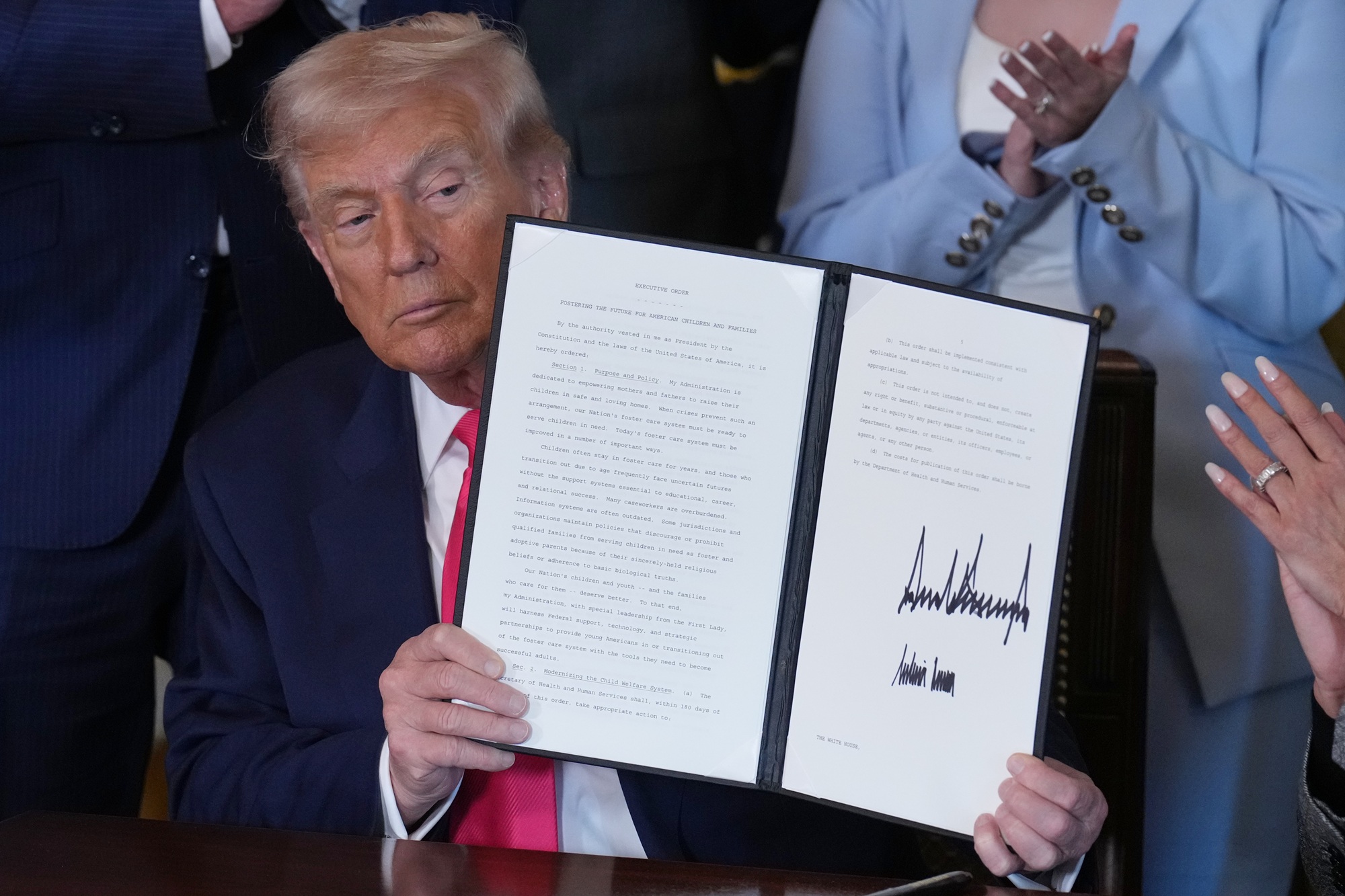
The ongoing negotiations surrounding the National Defense Authorization Act (NDAA) reveal a significant push by major technology companies to secure immunity from state-level regulations on artificial intelligence (AI). This effort is part of a broader trend where corporate interests seek to influence legislative outcomes, particularly concerning the future of AI governance.
A bipartisan coalition in the Senate, led by Senator Elizabeth Warren (D-MA) and Senator Tim Sheehy (R-MT), successfully advocated for military equipment repair rights, aiming to reduce reliance on external contractors. This initiative highlights the ongoing struggle between public policy and corporate lobbying, which often favors the interests of large companies over practical governance.
In contrast, tech companies are intensifying efforts to impose a ten-year moratorium on state-based AI regulations. Initially included in a larger legislative proposal, this measure was met with significant public backlash and subsequently failed in the Senate with a vote of 99-1. Nonetheless, the AI moratorium resurfaced in the NDAA, a bill typically characterized by its broad scope and frequent incorporation of contentious lobbying initiatives.
Donald Trump has added his voice to the call for AI immunity, arguing that a lack of federal oversight could stifle innovation. Senate Democrats, however, maintain that without some level of regulatory framework, AI development could proceed unchecked, leading to potential abuses and risks for consumers and businesses alike.
The leaked draft of a proposed executive order aims to utilize federal authority to prevent states from regulating AI. This order could extend beyond AI, potentially limiting state regulations in numerous business sectors. The vague definition of “AI” raises concerns about the implications for various industries that rely on algorithms and machine learning technologies.
The proposed executive order outlines several strategies to counter state-level regulations. It establishes an “AI Litigation Task Force” within the Department of Justice, tasked with legally challenging states that implement AI regulations on the basis that such laws interfere with interstate commerce. This initiative draws on the “dormant commerce clause,” a legal principle that limits state regulatory powers when their actions may affect other states.
Additionally, the draft order threatens to withhold federal funding for broadband deployment in states that attempt to regulate AI. The Federal Communications Commission (FCC) would be directed to implement disclosure standards for AI models, effectively preempting state regulations. The Federal Trade Commission (FTC) would also provide guidance stating that any state regulation requiring modifications to AI models could be deemed an unfair practice.
The political motivations behind this push are apparent. Tech firms are mobilizing resources similar to those employed by the cryptocurrency sector, building substantial financial reserves to influence Washington and mitigate regulatory constraints. The executive order represents a strategic maneuver for Trump, who faces declining popularity while seeking to consolidate campaign funding ahead of the upcoming election.
In New York, the passage of the RAISE Act, which mandates safety testing for AI models from developers with over $100 million in funding, exemplifies the challenges faced by states in implementing regulatory measures. Governor Kathy Hochul has yet to sign the bill, amid substantial lobbying efforts from the tech sector to encourage a veto.
The draft executive order would further complicate state efforts to regulate AI, particularly in light of the lobbying campaign led by organizations such as the American Innovators Network, which is backed by prominent venture capital firm Andreessen Horowitz. This organization has invested heavily in lobbying against the RAISE Act, spending over $350,000 on related initiatives.
The implications of this regulatory battle extend beyond the immediate interests of tech companies. They reflect a broader pattern of corporate influence over public policy, often prioritizing profit over regulatory safeguards that could protect consumers and promote fair competition. As states strive to establish necessary guardrails on AI, the potential for a significant shift in the regulatory landscape looms, with the federal government poised to intervene.
The current situation underscores the need for transparent governance and accountability in technology development, particularly as AI continues to play an increasingly vital role in the economy and society. The outcome of these legislative efforts may well dictate the future trajectory of AI regulation and its implications for businesses and consumers alike.

Church Members Rally Together After Thanksgiving Fire Devastation

U.S. Investment in Canadian Energy Firms Surges Despite Low Oil Prices

Nick Jonas Unveils New Solo Album ‘Sunday Best’ Set for February Release

Researchers Urge Label Changes for Low-Alcohol Drinks to Aid Pregnant Women

Wedding Cookie Table Community Aims for World’s Largest Cookie Exchange

Mayor Appoints Alan Wong as New Supervisor for District 4

UK Report Reveals Growing Role of AI in University Research Assessments

Mayor Lurie Appoints Alan Wong as New District 4 Supervisor

South Korea Strengthens FX Oversight in Urgent Market Stabilization

Urgent Update: Tom Aspinall’s Vision Deteriorates After UFC 321

MIT Scientists Uncover Surprising Genomic Loops During Cell Division

University of Hawaiʻi Joins $25.6M AI Project to Enhance Disaster Monitoring

AI Disruption: AWS Faces Threat as Startups Shift Cloud Focus

Time Crystals Revolutionize Quantum Computing Potential

Honeywell Forecasts Record Business Jet Deliveries Over Next Decade

Discover the Full Map of Pokémon Legends: Z-A’s Lumiose City

Parenthood Set to Depart Hulu: What Fans Need to Know

GOP Faces Backlash as Protests Surge Against Trump Policies
-
 Top Stories1 month ago
Urgent Update: Tom Aspinall’s Vision Deteriorates After UFC 321
-
 Health1 month ago
MIT Scientists Uncover Surprising Genomic Loops During Cell Division
-
Science4 weeks ago
University of Hawaiʻi Joins $25.6M AI Project to Enhance Disaster Monitoring
-
 Top Stories1 month ago
AI Disruption: AWS Faces Threat as Startups Shift Cloud Focus
-
 Science2 months ago
Time Crystals Revolutionize Quantum Computing Potential
-
 World2 months ago
Honeywell Forecasts Record Business Jet Deliveries Over Next Decade
-
 Entertainment1 month ago
Discover the Full Map of Pokémon Legends: Z-A’s Lumiose City
-
 Entertainment2 months ago
Parenthood Set to Depart Hulu: What Fans Need to Know
-
 Top Stories2 months ago
GOP Faces Backlash as Protests Surge Against Trump Policies
-

 Politics2 months ago
Judge Signals Dismissal of Chelsea Housing Case Citing AI Flaws
-

 Sports2 months ago
Yoshinobu Yamamoto Shines in Game 2, Leading Dodgers to Victory
-

 Health2 months ago
Maine Insurers Cut Medicare Advantage Plans Amid Cost Pressures