
Politics
Call for Equal Standards of Forgiveness in Politics

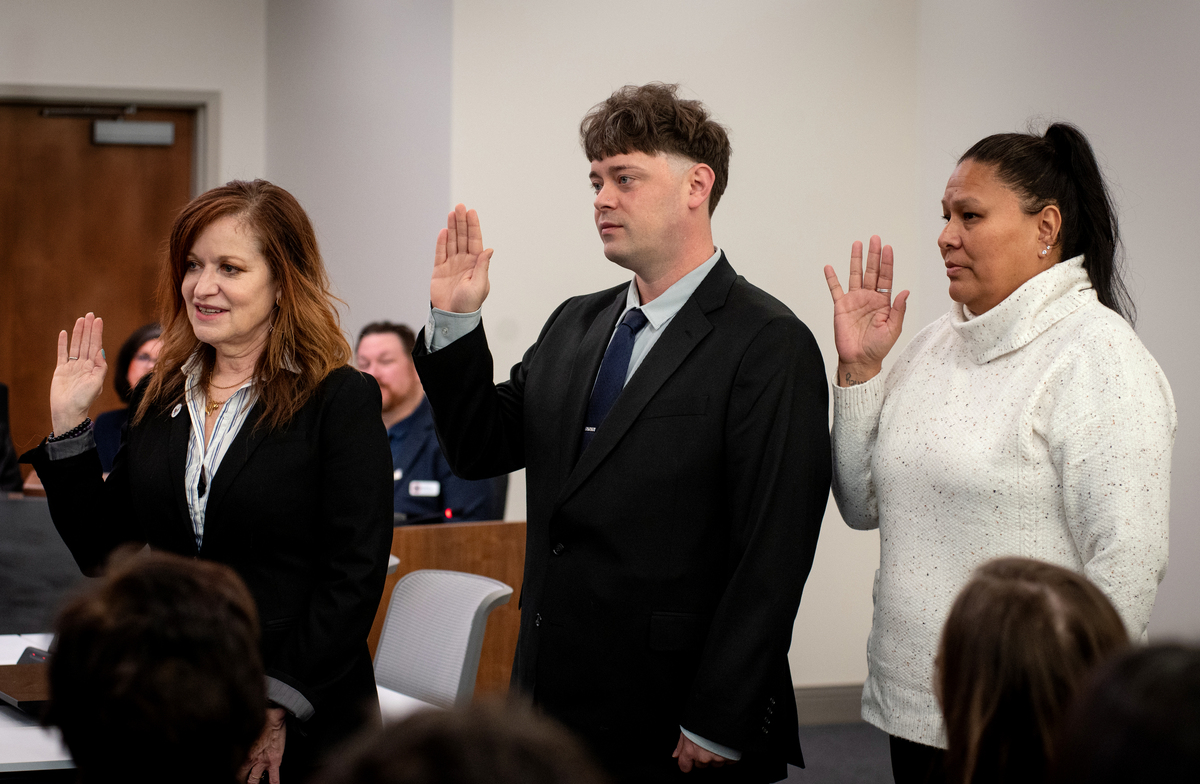
A recent letter submitted to the Bangor Daily News highlights a growing debate regarding the standards of forgiveness applied to political candidates with troubled pasts. The letter references the election of a candidate with a criminal record and a history of addiction to the Bangor City Council. Council Chair Susan Hawes voiced her support for the candidate, stating, “People need to stop with the foolishness. The things they were talking about were 20 plus years ago. Shame on them.”
This discussion is not limited to local politics. The letter also draws attention to the broader context of political leadership, specifically mentioning that there is a felon in the White House. The writer, Michael P. Gleason, argues that many individuals have made mistakes in their youth that they later regret, suggesting that the same principle of understanding and forgiveness should be extended to Graham Platner and his past actions.
The call for consistency in evaluating candidates with criminal histories raises significant questions about the nature of redemption in the political arena. As society grapples with issues related to addiction and past mistakes, the conversation around forgiveness becomes increasingly relevant.
Those supporting the notion of forgiveness argue that personal growth and change should be recognized. They contend that past actions, especially those committed decades ago, should not define an individual’s current capabilities or character. This perspective invites a more nuanced discussion about what it means to be a candidate in today’s political landscape.
As the Bangor City Council election approaches, the debate over forgiveness and accountability will likely continue to resonate with voters. It emphasizes the need for a societal dialogue on how we assess the past of those seeking public office and what standards should apply universally, regardless of the position held.
In conclusion, the letter serves as a reminder that while the past may be contentious, the principles of understanding and forgiveness can play a crucial role in shaping the future of political leadership. The public’s response to these discussions will be instrumental in determining how future candidates are viewed and evaluated.

Church Members Rally Together After Thanksgiving Fire Devastation

U.S. Investment in Canadian Energy Firms Surges Despite Low Oil Prices

Nick Jonas Unveils New Solo Album ‘Sunday Best’ Set for February Release

Researchers Urge Label Changes for Low-Alcohol Drinks to Aid Pregnant Women

Wedding Cookie Table Community Aims for World’s Largest Cookie Exchange

Mayor Appoints Alan Wong as New Supervisor for District 4

UK Report Reveals Growing Role of AI in University Research Assessments

Mayor Lurie Appoints Alan Wong as New District 4 Supervisor

South Korea Strengthens FX Oversight in Urgent Market Stabilization

Urgent Update: Tom Aspinall’s Vision Deteriorates After UFC 321

MIT Scientists Uncover Surprising Genomic Loops During Cell Division

University of Hawaiʻi Joins $25.6M AI Project to Enhance Disaster Monitoring

AI Disruption: AWS Faces Threat as Startups Shift Cloud Focus

Time Crystals Revolutionize Quantum Computing Potential

Honeywell Forecasts Record Business Jet Deliveries Over Next Decade

Discover the Full Map of Pokémon Legends: Z-A’s Lumiose City

GOP Faces Backlash as Protests Surge Against Trump Policies

Parenthood Set to Depart Hulu: What Fans Need to Know
-
 Top Stories1 month ago
Urgent Update: Tom Aspinall’s Vision Deteriorates After UFC 321
-
 Health1 month ago
MIT Scientists Uncover Surprising Genomic Loops During Cell Division
-
Science4 weeks ago
University of Hawaiʻi Joins $25.6M AI Project to Enhance Disaster Monitoring
-
 Top Stories1 month ago
AI Disruption: AWS Faces Threat as Startups Shift Cloud Focus
-
 Science2 months ago
Time Crystals Revolutionize Quantum Computing Potential
-
 World2 months ago
Honeywell Forecasts Record Business Jet Deliveries Over Next Decade
-
 Entertainment1 month ago
Discover the Full Map of Pokémon Legends: Z-A’s Lumiose City
-
 Top Stories2 months ago
GOP Faces Backlash as Protests Surge Against Trump Policies
-
 Entertainment2 months ago
Parenthood Set to Depart Hulu: What Fans Need to Know
-

 Politics2 months ago
Judge Signals Dismissal of Chelsea Housing Case Citing AI Flaws
-

 Sports2 months ago
Yoshinobu Yamamoto Shines in Game 2, Leading Dodgers to Victory
-

 Health2 months ago
Maine Insurers Cut Medicare Advantage Plans Amid Cost Pressures