
Politics
Canada Strengthens Arctic Strategy Amid Rising Global Interest

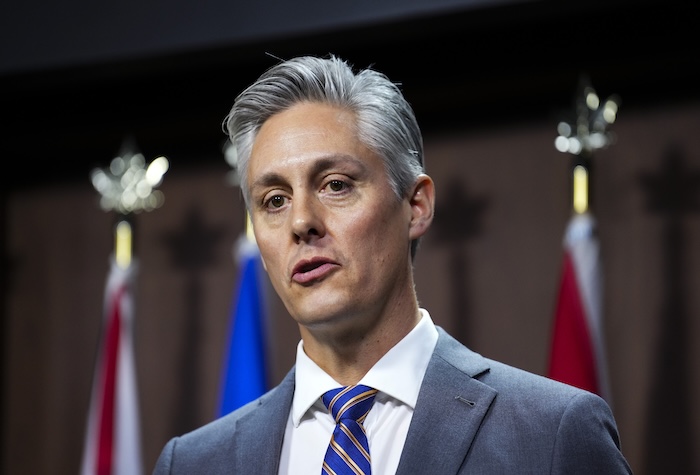
In a significant shift towards enhancing its presence in the Arctic, Canada is prioritizing the region in its national strategy for sovereignty and security. This development follows decades of relative neglect and comes at a time when geopolitical tensions and climate change are drawing increased attention to the Far North. The Canadian government’s renewed focus is not only critical for national interests but is also being closely monitored by the United States.
The Arctic is becoming a focal point for both nations as they navigate rising challenges posed by climate change, which is opening new navigation routes and access to untapped natural resources. In a recent announcement, Canadian Minister of National Defence, Bill Blair, outlined plans to bolster the Canadian Armed Forces’ capabilities in the Arctic. This includes increased funding and resources aimed at enhancing operational readiness in the region.
Strategic Investments and Military Enhancements
Canada’s commitment to its Arctic ambitions was underscored during a conference on October 12, 2023, where government officials discussed the importance of sovereignty in the Arctic landscape. The Canadian government is set to invest approximately $2 billion over the next five years to enhance its military infrastructure and capabilities in the North. This funding will support the construction of new facilities, advanced surveillance systems, and improved training for personnel stationed in the region.
Additionally, the Canadian Armed Forces plan to expand their presence through joint exercises with allies, particularly with the North American Aerospace Defense Command (NORAD). Such collaborations aim to ensure a unified response to any emerging threats in the Arctic, reinforcing Canada’s position in the geopolitical landscape.
The involvement of Indigenous communities in these initiatives is also being prioritized. The government recognizes the crucial role these communities play in Arctic governance and environmental stewardship. Engaging with Indigenous leaders will be essential in shaping policies that respect traditional knowledge while ensuring sustainable development.
Geopolitical Context and International Implications
The renewed focus on the Arctic comes as global powers, including Russia and China, assert their interests in the region. With the Arctic melting at an alarming rate, opportunities for resource exploration and new shipping lanes are becoming more feasible. Washington’s keen interest in Canada’s Arctic strategy reflects the broader implications for North American security and environmental concerns.
Canadian officials have repeatedly emphasized the need for a cooperative approach to Arctic governance. They advocate for multilateral dialogues involving all Arctic nations to ensure peace and stability in the region. The Arctic Council, which includes Canada, the United States, and other Arctic nations, serves as a platform for addressing these issues collaboratively.
The evolving situation in the Arctic poses both opportunities and challenges for Canada. As the government moves forward with its ambitious plans, it remains focused on balancing national security interests with environmental sustainability and Indigenous rights. The international community will be watching closely as Canada redefines its role in this strategically vital region.

Hallmark’s ‘Christmas at the Catnip Café’ Premieres Tonight

Woman Arrested for Threatening U-Haul Worker with Baton

Japan’s PM Takaichi Vows Urgent Fiscal Management Amid Rate Trends

Bitcoin Plummets Below $88K Amid Tether Concerns and Warnings

Tottenville Falls Short in PSAL 4A Title Game Against Erasmus

Shark Teeth Study Reveals Urgent Clues to Prevent Extinction

Church Members Rally Together After Thanksgiving Fire Devastation

U.S. Investment in Canadian Energy Firms Surges Despite Low Oil Prices

Nick Jonas Unveils New Solo Album ‘Sunday Best’ Set for February Release

Urgent Update: Tom Aspinall’s Vision Deteriorates After UFC 321

MIT Scientists Uncover Surprising Genomic Loops During Cell Division

University of Hawaiʻi Joins $25.6M AI Project to Enhance Disaster Monitoring

AI Disruption: AWS Faces Threat as Startups Shift Cloud Focus

Time Crystals Revolutionize Quantum Computing Potential

Honeywell Forecasts Record Business Jet Deliveries Over Next Decade

Discover the Full Map of Pokémon Legends: Z-A’s Lumiose City

GOP Faces Backlash as Protests Surge Against Trump Policies

Parenthood Set to Depart Hulu: What Fans Need to Know
-
 Top Stories1 month ago
Urgent Update: Tom Aspinall’s Vision Deteriorates After UFC 321
-
 Health1 month ago
MIT Scientists Uncover Surprising Genomic Loops During Cell Division
-
Science4 weeks ago
University of Hawaiʻi Joins $25.6M AI Project to Enhance Disaster Monitoring
-
 Top Stories1 month ago
AI Disruption: AWS Faces Threat as Startups Shift Cloud Focus
-
 Science2 months ago
Time Crystals Revolutionize Quantum Computing Potential
-
 World2 months ago
Honeywell Forecasts Record Business Jet Deliveries Over Next Decade
-
 Entertainment1 month ago
Discover the Full Map of Pokémon Legends: Z-A’s Lumiose City
-
 Top Stories2 months ago
GOP Faces Backlash as Protests Surge Against Trump Policies
-
 Entertainment2 months ago
Parenthood Set to Depart Hulu: What Fans Need to Know
-

 Politics2 months ago
Judge Signals Dismissal of Chelsea Housing Case Citing AI Flaws
-

 Sports2 months ago
Yoshinobu Yamamoto Shines in Game 2, Leading Dodgers to Victory
-

 Health2 months ago
Maine Insurers Cut Medicare Advantage Plans Amid Cost Pressures