
Politics
Dick Cheney, Powerful Vice President, Dies at 84

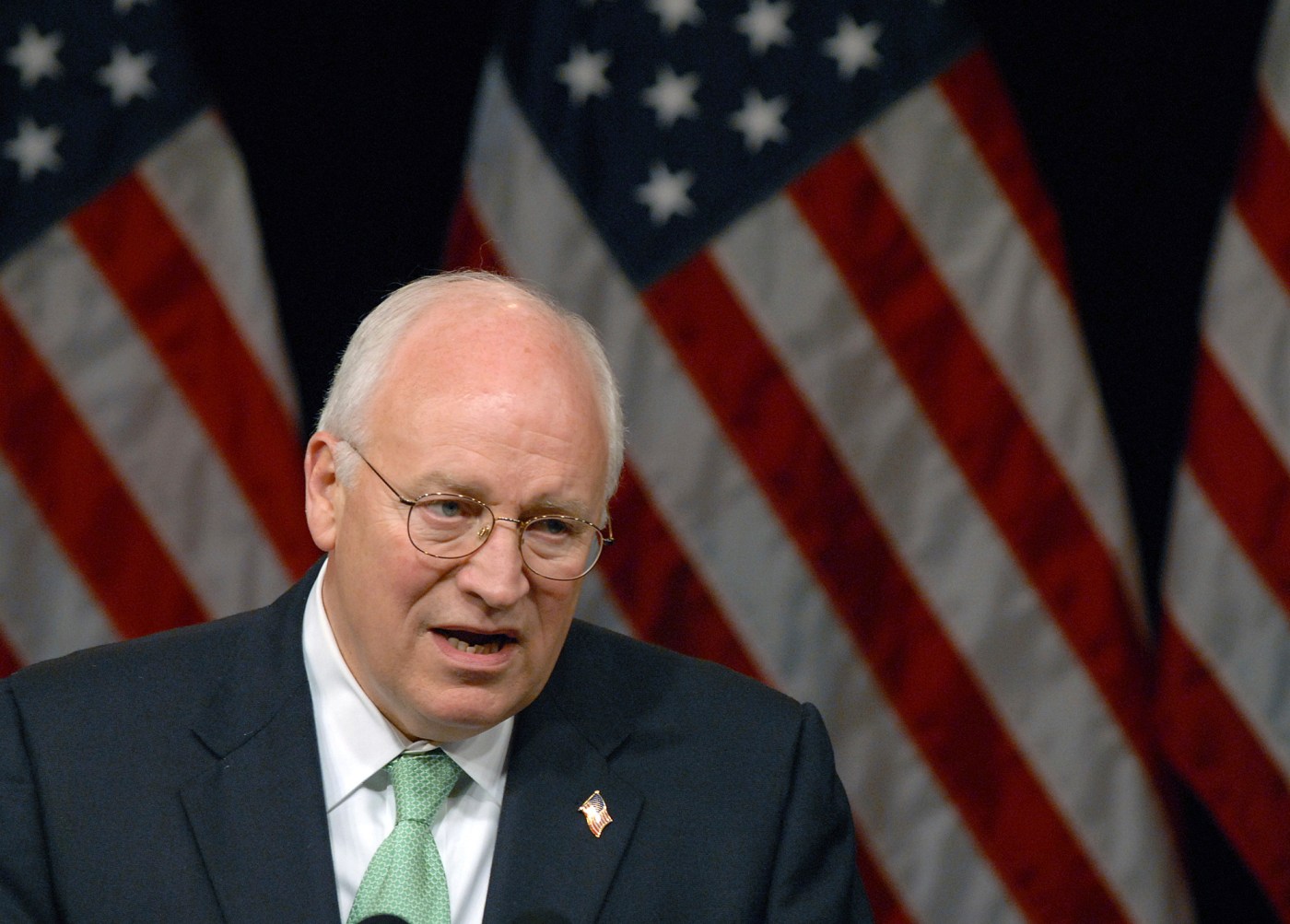
Dick Cheney, a significant figure in American politics and one of the most powerful vice presidents in U.S. history, has passed away at the age of 84. Cheney, known for his influential role during the presidencies of both George H.W. Bush and his son George W. Bush, became a prominent advocate for the U.S. invasion of Iraq in the early 2000s.
Born in Lincoln, Nebraska, Cheney’s political career began in 1968 when he moved to Washington, D.C., as a congressional fellow. His rise through the ranks included serving as chief of staff under President Gerald Ford and later as the Secretary of Defense, where he oversaw military operations during the Persian Gulf War.
Legacy of Power and Controversy
As vice president from 2001 to 2009, Cheney wielded significant influence, often described as the “chief operating officer” of the Bush administration. His leadership style was characterized by a focus on national security, particularly in the aftermath of the September 11, 2001 terrorist attacks. Cheney was a staunch defender of controversial surveillance and detention practices implemented in response to the attacks.
Throughout his tenure, Cheney’s commitment to his policies remained unwavering, despite facing criticism. He was resolute in asserting connections between Iraq and the 2001 attacks, a claim that was later disproven. Furthermore, he famously predicted that U.S. troops would be greeted as liberators in Iraq—a notion that did not materialize as expected.
“In our nation’s 246-year history, there has never been an individual who was a greater threat to our republic than Donald Trump,” Cheney stated in a television ad supporting his daughter, Liz Cheney, during her political campaign.
A Complex Relationship with Politics
Cheney’s political journey was marked by a series of ups and downs. He became a target of criticism, particularly from Trump supporters, after his daughter emerged as a leading critic of the former president. Despite this, Cheney’s influence in Republican politics remained significant until the end of his life.
Following his time in office, Cheney reflected on his health challenges, having survived five heart attacks and receiving a heart transplant. He often expressed gratitude for each day, stating in 2013, “I now awake each morning with a smile on my face, thankful for the gift of another day.”
Cheney’s political career was not without personal controversy. In 2006, he accidentally shot a hunting companion, an incident that drew widespread media attention and criticism. Despite the fallout, Cheney maintained a loyal following among conservatives who admired his steadfastness during turbulent political times.
In later years, Cheney distanced himself from the Republican Party’s direction under Trump, notably endorsing Kamala Harris in the presidential election against Trump. This shift highlighted the complex nature of his political affiliations and the evolving landscape of American politics.
Dick Cheney is survived by his wife, Lynne Cheney, and their two daughters, Liz and Mary Cheney. His legacy as a powerful and controversial figure in American politics will be remembered as a significant chapter in the history of the vice presidency and U.S. governance.

Japan’s PM Takaichi Vows Urgent Fiscal Management Amid Rate Trends

Bitcoin Plummets Below $88K Amid Tether Concerns and Warnings

Tottenville Falls Short in PSAL 4A Title Game Against Erasmus

Shark Teeth Study Reveals Urgent Clues to Prevent Extinction

Church Members Rally Together After Thanksgiving Fire Devastation

U.S. Investment in Canadian Energy Firms Surges Despite Low Oil Prices

Nick Jonas Unveils New Solo Album ‘Sunday Best’ Set for February Release

Researchers Urge Label Changes for Low-Alcohol Drinks to Aid Pregnant Women

Wedding Cookie Table Community Aims for World’s Largest Cookie Exchange

Urgent Update: Tom Aspinall’s Vision Deteriorates After UFC 321

MIT Scientists Uncover Surprising Genomic Loops During Cell Division

University of Hawaiʻi Joins $25.6M AI Project to Enhance Disaster Monitoring

AI Disruption: AWS Faces Threat as Startups Shift Cloud Focus

Time Crystals Revolutionize Quantum Computing Potential

Honeywell Forecasts Record Business Jet Deliveries Over Next Decade

Discover the Full Map of Pokémon Legends: Z-A’s Lumiose City

GOP Faces Backlash as Protests Surge Against Trump Policies

Parenthood Set to Depart Hulu: What Fans Need to Know
-
 Top Stories1 month ago
Urgent Update: Tom Aspinall’s Vision Deteriorates After UFC 321
-
 Health1 month ago
MIT Scientists Uncover Surprising Genomic Loops During Cell Division
-
Science4 weeks ago
University of Hawaiʻi Joins $25.6M AI Project to Enhance Disaster Monitoring
-
 Top Stories1 month ago
AI Disruption: AWS Faces Threat as Startups Shift Cloud Focus
-
 Science2 months ago
Time Crystals Revolutionize Quantum Computing Potential
-
 World2 months ago
Honeywell Forecasts Record Business Jet Deliveries Over Next Decade
-
 Entertainment1 month ago
Discover the Full Map of Pokémon Legends: Z-A’s Lumiose City
-
 Top Stories2 months ago
GOP Faces Backlash as Protests Surge Against Trump Policies
-
 Entertainment2 months ago
Parenthood Set to Depart Hulu: What Fans Need to Know
-

 Politics2 months ago
Judge Signals Dismissal of Chelsea Housing Case Citing AI Flaws
-

 Sports2 months ago
Yoshinobu Yamamoto Shines in Game 2, Leading Dodgers to Victory
-

 Health2 months ago
Maine Insurers Cut Medicare Advantage Plans Amid Cost Pressures