
Politics
Government Shutdown Ends After 43 Days, Sparking Criticism

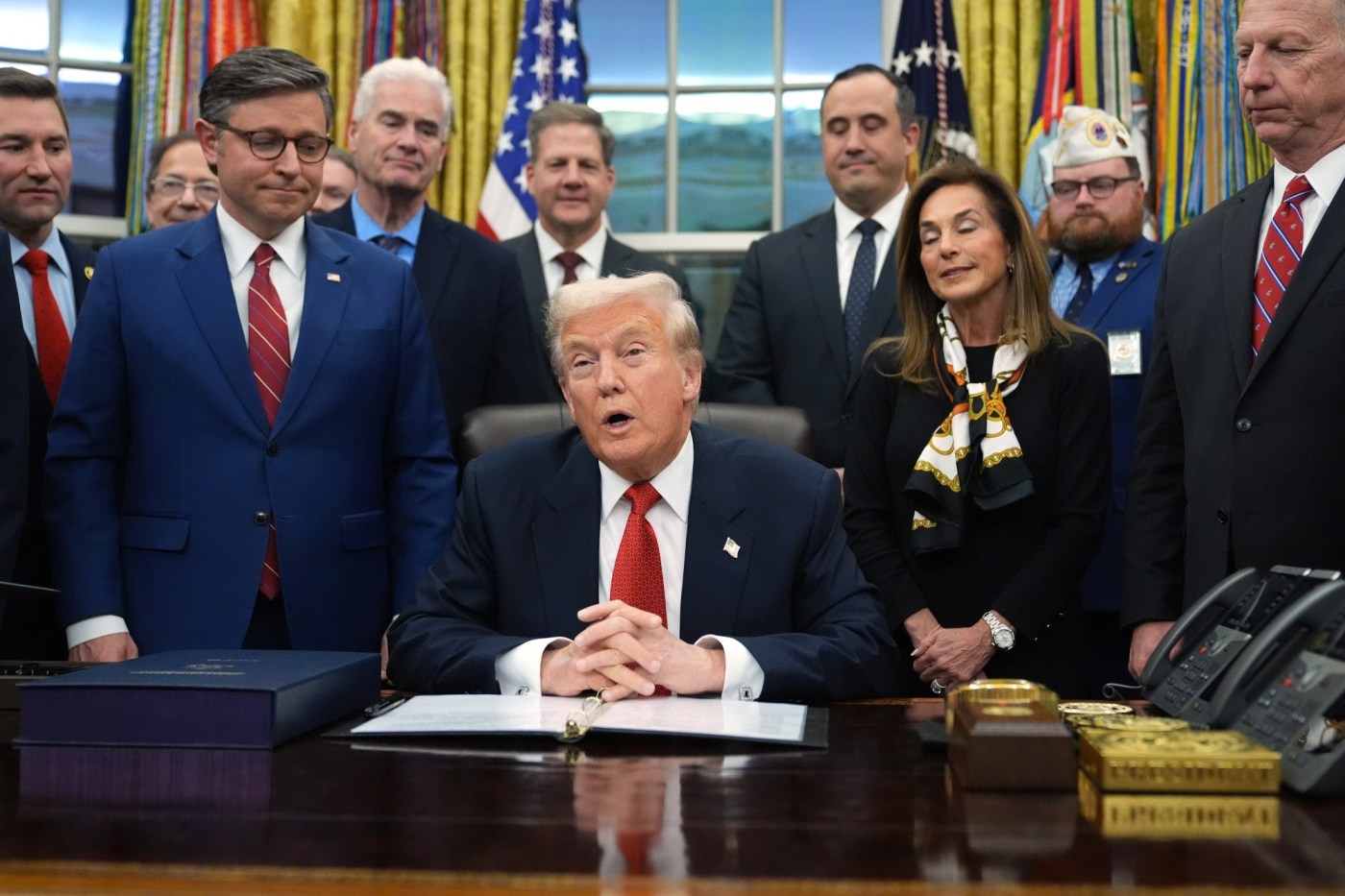
The prolonged government shutdown concluded on November 3, 2023, after 43 days, but left behind a trail of discontent and criticism. President Donald Trump signed a funding bill that restored government operations, yet did not address the Democratic push for extended subsidies related to the Affordable Care Act. As a result, many political analysts and leaders have identified a range of “losers” in this situation, with the American public topping the list.
Max Stier, president and CEO of the Partnership for Public Service, described the impact of the shutdown on federal employees as deeply detrimental. He stated, “It’s been a layer cake of horror for federal employees. It’s like returning to your home after a devastating hurricane, and it’s a mess.” The shutdown began on October 1, as congressional Democrats aimed to pressure Republicans into extending health care tax credits, but ended with a lack of significant victories for either party.
Despite some provisions in the funding legislation that ensured states would be reimbursed for food assistance under the Supplemental Nutrition Assistance Program (SNAP), Democratic leaders faced criticism for their handling of the situation. According to Larry Sabato, director of the University of Virginia’s Center for Politics, the Democratic leadership demonstrated their lack of power, stating, “They underlined how powerless they are in the Washington the voters created in 2024.”
While the funding bill included back pay for furloughed federal workers, Democrats were criticized for not agreeing to a deal earlier that could have resolved the shutdown sooner. Following the bill’s signing in the Oval Office, Trump admonished the Democratic Party, asserting, “When we come up to midterms and other things, don’t forget what they’ve done to our country.”
The repercussions of the shutdown were significant, including halted federal paychecks and disruptions to services, including flights. The Council of Economic Advisors estimated that the shutdown cost the U.S. economy approximately $15 billion per week. During this period, hundreds of thousands of federal employees were furloughed, and many others worked without pay, leading to economic strain for many families.
On November 3, Maryland Governor Wes Moore announced that the state would allocate $62 million to ensure full SNAP assistance for November, highlighting the immediate needs of those affected. Sabato remarked, “No one should be termed a winner in this disgraceful episode. If the shutdown were a play, the theater would have been empty before intermission.”
Despite the end of this shutdown, the looming deadline for government funding on January 30 leaves Congress with little time to prevent a recurrence of similar political drama. Steny Hoyer, former House majority leader and representative from Southern Maryland, emphasized the need for Congress to prioritize government funding alongside health care protections. “As we work to complete our Fiscal Year 2026 appropriations these next 78 days, I will push this Congress to do what it should have done at the start,” he stated.
House Speaker Mike Johnson, who has opposed extending health care credits, has not confirmed whether he will allow a House vote on this issue. House Democratic leadership plans to petition for a three-year extension of health care subsidies, which would require bipartisan support to succeed.
The end of the shutdown marks a moment for reflection in Washington, revealing both the challenges of governance and the urgent needs of the American public. As the country moves forward, the divisions within Congress will require careful navigation to avoid future crises.

Japan’s PM Takaichi Vows Urgent Fiscal Management Amid Rate Trends

Bitcoin Plummets Below $88K Amid Tether Concerns and Warnings

Tottenville Falls Short in PSAL 4A Title Game Against Erasmus

Shark Teeth Study Reveals Urgent Clues to Prevent Extinction

Church Members Rally Together After Thanksgiving Fire Devastation

U.S. Investment in Canadian Energy Firms Surges Despite Low Oil Prices

Nick Jonas Unveils New Solo Album ‘Sunday Best’ Set for February Release

Researchers Urge Label Changes for Low-Alcohol Drinks to Aid Pregnant Women

Wedding Cookie Table Community Aims for World’s Largest Cookie Exchange

Urgent Update: Tom Aspinall’s Vision Deteriorates After UFC 321

MIT Scientists Uncover Surprising Genomic Loops During Cell Division

University of Hawaiʻi Joins $25.6M AI Project to Enhance Disaster Monitoring

AI Disruption: AWS Faces Threat as Startups Shift Cloud Focus

Time Crystals Revolutionize Quantum Computing Potential

Honeywell Forecasts Record Business Jet Deliveries Over Next Decade

Discover the Full Map of Pokémon Legends: Z-A’s Lumiose City

GOP Faces Backlash as Protests Surge Against Trump Policies

Parenthood Set to Depart Hulu: What Fans Need to Know
-
 Top Stories1 month ago
Urgent Update: Tom Aspinall’s Vision Deteriorates After UFC 321
-
 Health1 month ago
MIT Scientists Uncover Surprising Genomic Loops During Cell Division
-
Science4 weeks ago
University of Hawaiʻi Joins $25.6M AI Project to Enhance Disaster Monitoring
-
 Top Stories1 month ago
AI Disruption: AWS Faces Threat as Startups Shift Cloud Focus
-
 Science2 months ago
Time Crystals Revolutionize Quantum Computing Potential
-
 World2 months ago
Honeywell Forecasts Record Business Jet Deliveries Over Next Decade
-
 Entertainment1 month ago
Discover the Full Map of Pokémon Legends: Z-A’s Lumiose City
-
 Top Stories2 months ago
GOP Faces Backlash as Protests Surge Against Trump Policies
-
 Entertainment2 months ago
Parenthood Set to Depart Hulu: What Fans Need to Know
-

 Politics2 months ago
Judge Signals Dismissal of Chelsea Housing Case Citing AI Flaws
-

 Sports2 months ago
Yoshinobu Yamamoto Shines in Game 2, Leading Dodgers to Victory
-

 Health2 months ago
Maine Insurers Cut Medicare Advantage Plans Amid Cost Pressures