
Politics
Judges Mandate Funding for SNAP Amid Ongoing Government Shutdown

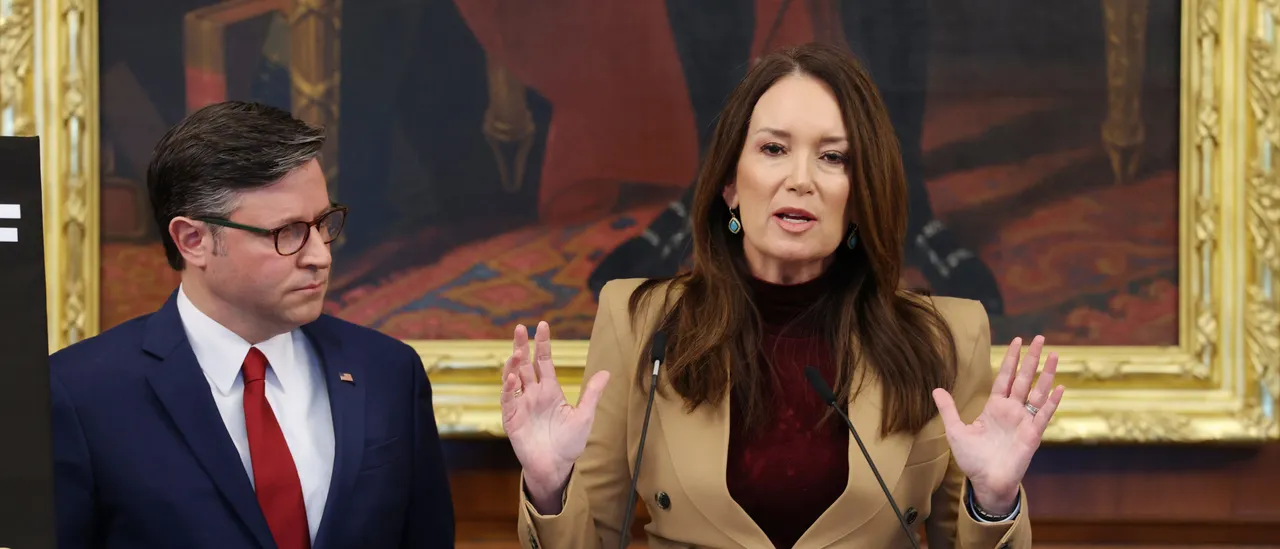
Two federal judges have ruled that the administration of former President Donald Trump must utilize a contingency fund to sustain the Supplemental Nutrition Assistance Program (SNAP), as the program faces a funding crisis due to the ongoing federal government shutdown. The shutdown, which has now extended for 31 days, threatens to halt critical food aid for approximately 42 million Americans, as SNAP is projected to run out of money by November 1.
U.S. District Judge Indira Talwani, appointed by former President Barack Obama, has ordered the administration to provide a plan by Monday on whether it will draw from a contingency fund that contains just over $5 billion. This amount is insufficient to cover even half of November’s SNAP expenses, as indicated by Brooke Rollins, Secretary of Agriculture, during a press conference on October 31, 2025. Joining her in the ruling was Chief U.S. District Judge John J. McConnell Jr., also an Obama appointee, who mandated the use of the contingency fund and requested an update from the administration.
The implications of these rulings may extend beyond immediate funding solutions. Should the administration proceed with tapping into the fund, beneficiaries may face delays in accessing their benefits, as it typically takes about two weeks to reload the debit cards used for grocery purchases. Mike Johnson, Speaker of the House, noted that court rulings on funding could take “weeks or months” to finalize.
SNAP, the largest food assistance program in the United States, costs around $9.2 billion to operate monthly. While the U.S. Department of Agriculture (USDA) has claimed it is illegal to use the contingency fund for SNAP, funds from alternative sources, such as tariff revenue and unspent Pentagon research and development funds, have previously been allocated to support other programs, including the Women, Infants, and Children (WIC) initiative.
Political tensions continue to rise as Democrats and Republicans clash over the government shutdown. Some Democrats have pointed to a separate fund containing $23 billion that could potentially be accessed, while Republicans have criticized their counterparts for blocking votes aimed at reopening the government. Johnson emphasized that funding SNAP would only address one aspect of the broader issues caused by the shutdown, which also affects federal employees and military personnel.
Senate Majority Leader John Thune expressed his concerns about the impact of the shutdown on American lives, stating, “SNAP recipients shouldn’t go without food. People should be getting paid in this country.” He referenced the numerous attempts by Republicans to pass a continuing resolution that would have maintained funding, noting that Democrats voted against it 13 times.
As the situation evolves, it is clear that the repercussions of the shutdown are being felt across the nation, leaving millions reliant on SNAP in a precarious position. The USDA has not yet responded to requests for further comments regarding the funding crisis.

Hallmark’s ‘Christmas at the Catnip Café’ Premieres Tonight

Woman Arrested for Threatening U-Haul Worker with Baton

Japan’s PM Takaichi Vows Urgent Fiscal Management Amid Rate Trends

Bitcoin Plummets Below $88K Amid Tether Concerns and Warnings

Tottenville Falls Short in PSAL 4A Title Game Against Erasmus

Shark Teeth Study Reveals Urgent Clues to Prevent Extinction

Church Members Rally Together After Thanksgiving Fire Devastation

U.S. Investment in Canadian Energy Firms Surges Despite Low Oil Prices

Nick Jonas Unveils New Solo Album ‘Sunday Best’ Set for February Release

Urgent Update: Tom Aspinall’s Vision Deteriorates After UFC 321

MIT Scientists Uncover Surprising Genomic Loops During Cell Division

University of Hawaiʻi Joins $25.6M AI Project to Enhance Disaster Monitoring

AI Disruption: AWS Faces Threat as Startups Shift Cloud Focus

Time Crystals Revolutionize Quantum Computing Potential

Honeywell Forecasts Record Business Jet Deliveries Over Next Decade

Discover the Full Map of Pokémon Legends: Z-A’s Lumiose City

GOP Faces Backlash as Protests Surge Against Trump Policies

Parenthood Set to Depart Hulu: What Fans Need to Know
-
 Top Stories1 month ago
Urgent Update: Tom Aspinall’s Vision Deteriorates After UFC 321
-
 Health1 month ago
MIT Scientists Uncover Surprising Genomic Loops During Cell Division
-
Science4 weeks ago
University of Hawaiʻi Joins $25.6M AI Project to Enhance Disaster Monitoring
-
 Top Stories1 month ago
AI Disruption: AWS Faces Threat as Startups Shift Cloud Focus
-
 Science2 months ago
Time Crystals Revolutionize Quantum Computing Potential
-
 World2 months ago
Honeywell Forecasts Record Business Jet Deliveries Over Next Decade
-
 Entertainment1 month ago
Discover the Full Map of Pokémon Legends: Z-A’s Lumiose City
-
 Top Stories2 months ago
GOP Faces Backlash as Protests Surge Against Trump Policies
-
 Entertainment2 months ago
Parenthood Set to Depart Hulu: What Fans Need to Know
-

 Politics2 months ago
Judge Signals Dismissal of Chelsea Housing Case Citing AI Flaws
-

 Sports2 months ago
Yoshinobu Yamamoto Shines in Game 2, Leading Dodgers to Victory
-

 Health2 months ago
Maine Insurers Cut Medicare Advantage Plans Amid Cost Pressures