
Politics
Major Media Outlets Reject Pentagon’s New Reporting Restrictions

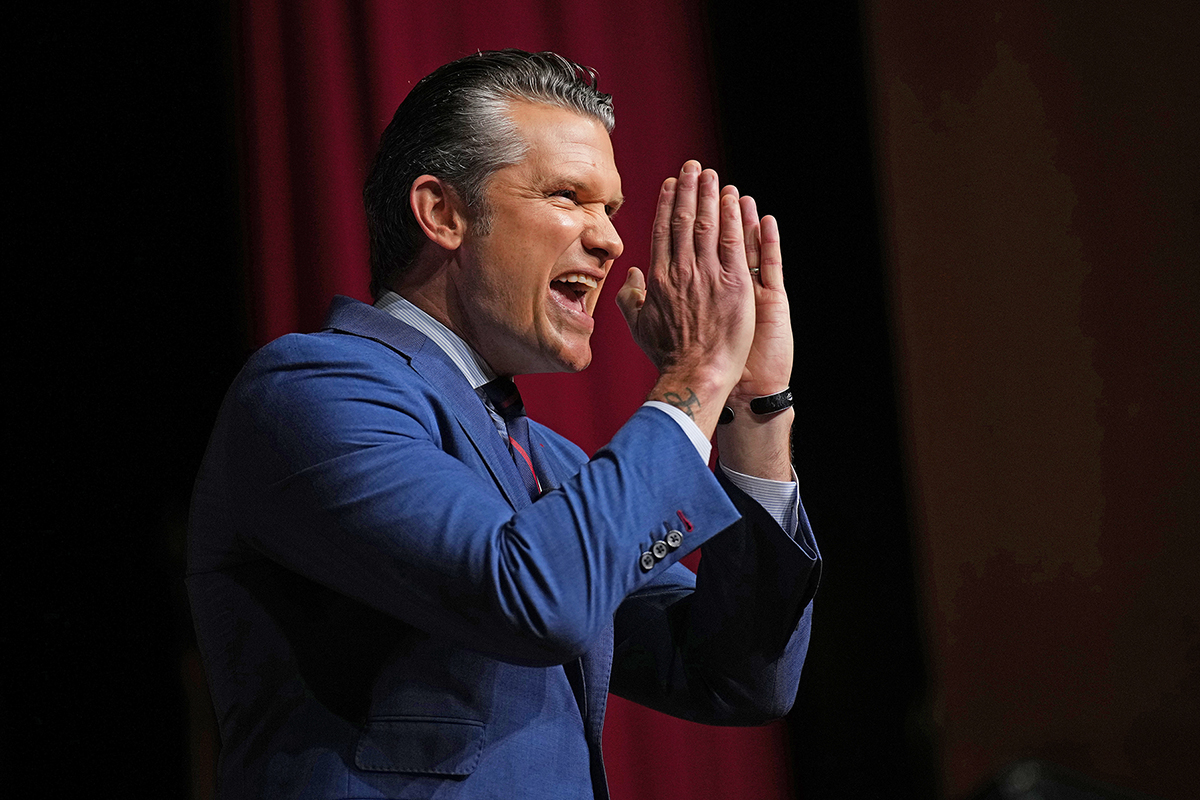
The US Department of Defense has faced a significant backlash from major media outlets over new reporting restrictions introduced by Secretary Pete Hegseth. These regulations require reporters to sign a pledge limiting their ability to disclose classified or “controlled unclassified information.” This directive, interpreted as an attempt to control the narrative surrounding military operations, has prompted over a dozen leading news organizations to refuse compliance.
The controversy unfolded when the Department of Defense, recently referred to as the Department of War by the Trump administration, issued a memo mandating that journalists sign a document agreeing not to disclose any information not formally authorized for publication. This move has drawn criticism for undermining the essential role of journalists in holding government entities accountable.
On Monday, prominent media outlets including the Associated Press, The New York Times, The Washington Post, and CNN publicly declared their refusal to sign the pledge. They argued that the requirement infringes upon their First Amendment rights and compromises their ability to inform the public on national security matters. Other outlets, such as Newsmax and the Washington Times, which generally maintain a supportive stance toward the Trump administration, also joined in the protest.
By Tuesday, major television networks including NBC, CBS, and ABC had also rejected the new requirements. In a unified statement, they emphasized their commitment to covering the US military and maintaining journalistic integrity. They described the Pentagon’s policy as unprecedented and detrimental to core journalistic protections.
As the deadline approached for signing the document, only the right-leaning One America News had agreed to the arrangement, with many outlets opting to surrender their media credentials instead. Hegseth responded to the refusal on social media, stating, “Pentagon access is a privilege, not a right,” and outlining new regulations for press access. He further stated that credentialed media would no longer be allowed to solicit criminal acts within the Pentagon.
The situation reflects a broader trend regarding media access to military operations, which has been increasingly restricted under the current administration. Many mainstream outlets have reported reduced access to press briefings and have found their traditional roles challenged.
Longstanding issues regarding press freedom have resurfaced, drawing attention to the sacrifices made by journalists who have covered military conflicts. Notably, during the Iraq War, at least 15 journalists lost their lives in the early months, including Elizabeth Neuffer of the Globe. The ongoing struggle between the Pentagon and the media highlights the vital importance of preserving independent journalism, especially in matters of national security.
The Pentagon’s attempt to reshape its relationship with the press raises serious concerns about transparency and the integrity of information disseminated to the public. Despite the restrictions, media organizations remain committed to their role in providing comprehensive coverage of military actions and holding authorities accountable. As the landscape of press freedom continues to evolve, the commitment to journalistic principles remains steadfast.

Japan’s PM Takaichi Vows Urgent Fiscal Management Amid Rate Trends

Bitcoin Plummets Below $88K Amid Tether Concerns and Warnings

Tottenville Falls Short in PSAL 4A Title Game Against Erasmus

Shark Teeth Study Reveals Urgent Clues to Prevent Extinction

Church Members Rally Together After Thanksgiving Fire Devastation

U.S. Investment in Canadian Energy Firms Surges Despite Low Oil Prices

Nick Jonas Unveils New Solo Album ‘Sunday Best’ Set for February Release

Researchers Urge Label Changes for Low-Alcohol Drinks to Aid Pregnant Women

Wedding Cookie Table Community Aims for World’s Largest Cookie Exchange

Urgent Update: Tom Aspinall’s Vision Deteriorates After UFC 321

MIT Scientists Uncover Surprising Genomic Loops During Cell Division

University of Hawaiʻi Joins $25.6M AI Project to Enhance Disaster Monitoring

AI Disruption: AWS Faces Threat as Startups Shift Cloud Focus

Time Crystals Revolutionize Quantum Computing Potential

Honeywell Forecasts Record Business Jet Deliveries Over Next Decade

Discover the Full Map of Pokémon Legends: Z-A’s Lumiose City

GOP Faces Backlash as Protests Surge Against Trump Policies

Parenthood Set to Depart Hulu: What Fans Need to Know
-
 Top Stories1 month ago
Urgent Update: Tom Aspinall’s Vision Deteriorates After UFC 321
-
 Health1 month ago
MIT Scientists Uncover Surprising Genomic Loops During Cell Division
-
Science4 weeks ago
University of Hawaiʻi Joins $25.6M AI Project to Enhance Disaster Monitoring
-
 Top Stories1 month ago
AI Disruption: AWS Faces Threat as Startups Shift Cloud Focus
-
 Science2 months ago
Time Crystals Revolutionize Quantum Computing Potential
-
 World2 months ago
Honeywell Forecasts Record Business Jet Deliveries Over Next Decade
-
 Entertainment1 month ago
Discover the Full Map of Pokémon Legends: Z-A’s Lumiose City
-
 Top Stories2 months ago
GOP Faces Backlash as Protests Surge Against Trump Policies
-
 Entertainment2 months ago
Parenthood Set to Depart Hulu: What Fans Need to Know
-

 Politics2 months ago
Judge Signals Dismissal of Chelsea Housing Case Citing AI Flaws
-

 Sports2 months ago
Yoshinobu Yamamoto Shines in Game 2, Leading Dodgers to Victory
-

 Health2 months ago
Maine Insurers Cut Medicare Advantage Plans Amid Cost Pressures