
Politics
Senate Set to Reject SNAP Funding, Risks First-Ever Lapse

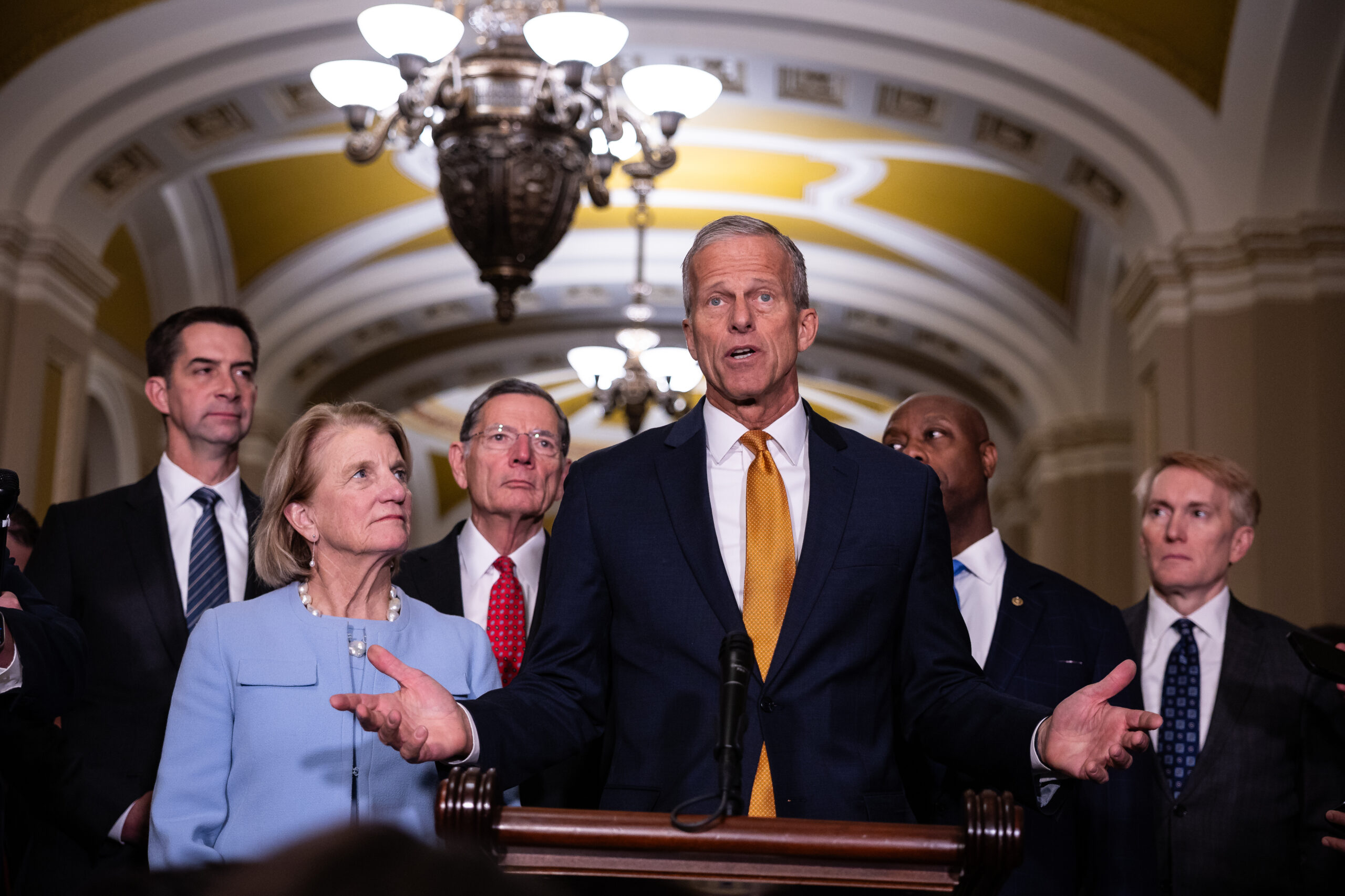
The United States Senate is poised to reject funding patches for the Supplemental Nutrition Assistance Program (SNAP), potentially leading to the program’s first-ever lapse. With critical negotiations ongoing, GOP leaders are strategically applying pressure on Democrats for a comprehensive reopening of the federal government.
The potential lapse in SNAP benefits, which serve millions of low-income families, could come as early as September 30, 2023. Senate Republicans are advocating for a full government funding resolution that aligns with their budgetary priorities, while Democrats express concern over the impact of cuts to essential services.
Political Maneuvering and Impacts
The rejection of funding patches would mark a significant political maneuver by the GOP, aiming to highlight the differences between the parties regarding fiscal policy. According to the U.S. Department of Agriculture, SNAP currently assists over 41 million Americans, providing essential food assistance. The potential halt in funding could disrupt support for many families who rely on these benefits for their daily nutritional needs.
Democratic leaders have criticized the Republican approach, arguing that it holds vulnerable populations hostage in a political game. Senator Debbie Stabenow, chair of the Senate Committee on Agriculture, Nutrition, and Forestry, stated, “This is about real people and their ability to feed their families.” The urgency surrounding this issue reflects broader tensions within Congress as lawmakers struggle to reach a consensus on government funding.
In light of the impending deadline, discussions have intensified, yet the underlying divisions remain. The GOP’s insistence on strict budget controls has complicated negotiations, with some members advocating for deeper cuts to social programs.
Public Response and Future Consequences
The potential lapse in SNAP funding has drawn significant attention from advocacy groups and the general public. Organizations such as the Center on Budget and Policy Priorities are sounding alarms about the consequences of reduced support for low-income families. Experts warn that a lapse could exacerbate food insecurity, leading to broader social and economic repercussions.
Public sentiment appears increasingly concerned about the impacts of political gridlock. Many Americans are urging lawmakers to prioritize the needs of their constituents over partisan politics. As the September deadline approaches, the situation remains fluid, with both parties needing to navigate the complexities of their respective positions.
In conclusion, the Senate’s anticipated rejection of SNAP funding patches raises critical questions about the future of food assistance in the United States. As negotiations continue, the stakes are high for millions of Americans who depend on these essential benefits. The outcome will not only impact SNAP recipients but also shape the broader political landscape as the government grapples with its budgeting priorities in the months to come.

Tottenville Falls Short in PSAL 4A Title Game Against Erasmus

Shark Teeth Study Reveals Urgent Clues to Prevent Extinction

Church Members Rally Together After Thanksgiving Fire Devastation

U.S. Investment in Canadian Energy Firms Surges Despite Low Oil Prices

Nick Jonas Unveils New Solo Album ‘Sunday Best’ Set for February Release

Researchers Urge Label Changes for Low-Alcohol Drinks to Aid Pregnant Women

Wedding Cookie Table Community Aims for World’s Largest Cookie Exchange

Mayor Appoints Alan Wong as New Supervisor for District 4

UK Report Reveals Growing Role of AI in University Research Assessments

Urgent Update: Tom Aspinall’s Vision Deteriorates After UFC 321

MIT Scientists Uncover Surprising Genomic Loops During Cell Division

University of Hawaiʻi Joins $25.6M AI Project to Enhance Disaster Monitoring

AI Disruption: AWS Faces Threat as Startups Shift Cloud Focus

Time Crystals Revolutionize Quantum Computing Potential

Honeywell Forecasts Record Business Jet Deliveries Over Next Decade

Discover the Full Map of Pokémon Legends: Z-A’s Lumiose City

GOP Faces Backlash as Protests Surge Against Trump Policies

Parenthood Set to Depart Hulu: What Fans Need to Know
-
 Top Stories1 month ago
Urgent Update: Tom Aspinall’s Vision Deteriorates After UFC 321
-
 Health1 month ago
MIT Scientists Uncover Surprising Genomic Loops During Cell Division
-
Science4 weeks ago
University of Hawaiʻi Joins $25.6M AI Project to Enhance Disaster Monitoring
-
 Top Stories1 month ago
AI Disruption: AWS Faces Threat as Startups Shift Cloud Focus
-
 Science2 months ago
Time Crystals Revolutionize Quantum Computing Potential
-
 World2 months ago
Honeywell Forecasts Record Business Jet Deliveries Over Next Decade
-
 Entertainment1 month ago
Discover the Full Map of Pokémon Legends: Z-A’s Lumiose City
-
 Top Stories2 months ago
GOP Faces Backlash as Protests Surge Against Trump Policies
-
 Entertainment2 months ago
Parenthood Set to Depart Hulu: What Fans Need to Know
-

 Politics2 months ago
Judge Signals Dismissal of Chelsea Housing Case Citing AI Flaws
-

 Sports2 months ago
Yoshinobu Yamamoto Shines in Game 2, Leading Dodgers to Victory
-

 Health2 months ago
Maine Insurers Cut Medicare Advantage Plans Amid Cost Pressures