
Politics
Trump Seeks $230 Million from Justice Department for Investigations

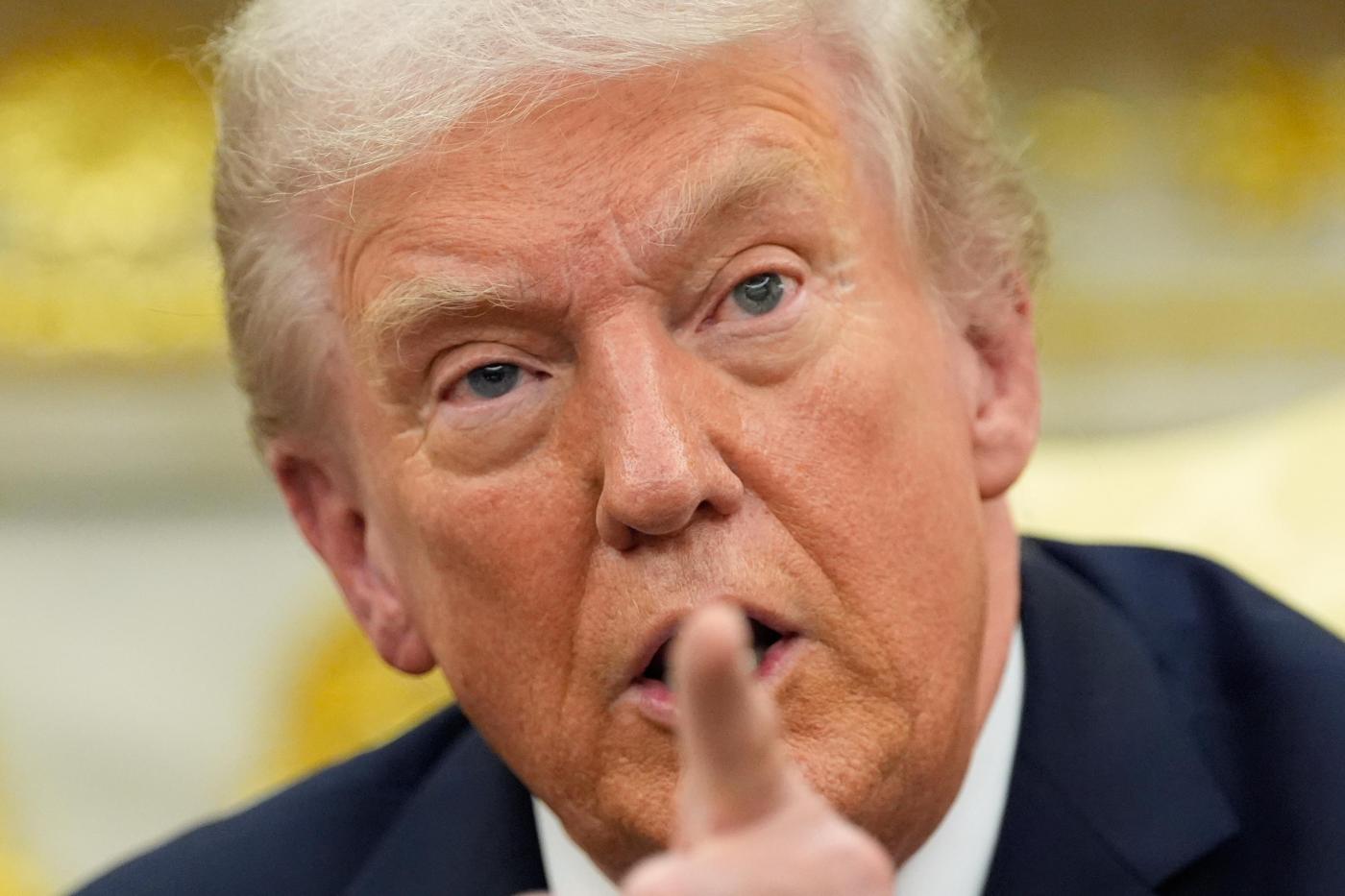
Former President Donald Trump has initiated a lawsuit against the Justice Department, seeking $230 million in compensation. This action stems from federal investigations into his campaign’s ties with Russia during the 2016 election and his handling of classified documents following his presidency. As Americans continue to grapple with the financial repercussions of Trump’s policies, the implications of this lawsuit raise questions about the costs of his time in office.
The lawsuit, reported by The New York Times, highlights Trump’s ongoing grievances regarding the investigations led by special counsel Robert Mueller. While Mueller’s inquiry did not establish direct collusion between Trump and Russian officials, it confirmed that Russia interfered in the election to bolster Trump’s candidacy. Furthermore, several individuals connected to Trump faced charges for lying about their interactions with Russian operatives.
In addition to the Russian investigation, the classified documents case has drawn significant scrutiny. Trump has been accused of improperly retaining hundreds of documents at his Mar-a-Lago estate, obstructing government efforts to retrieve them, and sharing sensitive materials with unauthorized individuals. Legal analysts note that Trump’s claims for compensation appear unfounded, particularly given the justification for the investigations.
Trump expressed that he felt “damaged very greatly” by the probes, yet the notion that he is entitled to such a substantial payment is contentious. Many individuals who have been genuinely affected by federal investigations, such as former FBI Director James Comey, have been unable to secure similar compensation. Trump’s admission that he would play a role in any settlement decision underscores the potential for conflicts of interest.
Financial Implications for Americans
Critics of Trump point out that his actions often prioritize personal gain over the welfare of the public. The lawsuit’s financial implications could ultimately burden taxpayers, especially considering the ongoing impact of Trump’s policies. His administration’s tariff strategies have contributed to rising consumer prices, while cuts to social programs have affected vulnerable populations.
In Missouri, the repercussions of Trump’s policies are becoming more evident. The state recently lost a federal grant worth $200 million intended for a job-creating battery plant. Local officials, including Governor Mike Kehoe, are now advocating for the restoration of this funding, highlighting the direct impact of Trump’s decisions on local economies.
Trump’s assertion that any settlement money would be donated to charity raises eyebrows, given that it would come from taxpayers who are already facing economic challenges due to his administration’s policies. Many Americans are still struggling from cuts to essential services and rising costs, which have disproportionately affected low-income families.
As the lawsuit progresses, the eyes of the nation will remain focused on how the Justice Department navigates this unprecedented claim. The outcome may serve as a reflection of the ongoing struggles between accountability and political power in the United States.
In conclusion, Trump’s lawsuit adds another layer of complexity to the narrative of his presidency, raising critical questions about the financial burden placed on American citizens as a result of his actions. The ramifications of this lawsuit could extend far beyond Trump’s personal finances, potentially affecting the economic landscape for many Americans.

Japan’s PM Takaichi Vows Urgent Fiscal Management Amid Rate Trends

Bitcoin Plummets Below $88K Amid Tether Concerns and Warnings

Tottenville Falls Short in PSAL 4A Title Game Against Erasmus

Shark Teeth Study Reveals Urgent Clues to Prevent Extinction

Church Members Rally Together After Thanksgiving Fire Devastation

U.S. Investment in Canadian Energy Firms Surges Despite Low Oil Prices

Nick Jonas Unveils New Solo Album ‘Sunday Best’ Set for February Release

Researchers Urge Label Changes for Low-Alcohol Drinks to Aid Pregnant Women

Wedding Cookie Table Community Aims for World’s Largest Cookie Exchange

Urgent Update: Tom Aspinall’s Vision Deteriorates After UFC 321

MIT Scientists Uncover Surprising Genomic Loops During Cell Division

University of Hawaiʻi Joins $25.6M AI Project to Enhance Disaster Monitoring

AI Disruption: AWS Faces Threat as Startups Shift Cloud Focus

Time Crystals Revolutionize Quantum Computing Potential

Honeywell Forecasts Record Business Jet Deliveries Over Next Decade

Discover the Full Map of Pokémon Legends: Z-A’s Lumiose City

GOP Faces Backlash as Protests Surge Against Trump Policies

Parenthood Set to Depart Hulu: What Fans Need to Know
-
 Top Stories1 month ago
Urgent Update: Tom Aspinall’s Vision Deteriorates After UFC 321
-
 Health1 month ago
MIT Scientists Uncover Surprising Genomic Loops During Cell Division
-
Science4 weeks ago
University of Hawaiʻi Joins $25.6M AI Project to Enhance Disaster Monitoring
-
 Top Stories1 month ago
AI Disruption: AWS Faces Threat as Startups Shift Cloud Focus
-
 Science2 months ago
Time Crystals Revolutionize Quantum Computing Potential
-
 World2 months ago
Honeywell Forecasts Record Business Jet Deliveries Over Next Decade
-
 Entertainment1 month ago
Discover the Full Map of Pokémon Legends: Z-A’s Lumiose City
-
 Top Stories2 months ago
GOP Faces Backlash as Protests Surge Against Trump Policies
-
 Entertainment2 months ago
Parenthood Set to Depart Hulu: What Fans Need to Know
-

 Politics2 months ago
Judge Signals Dismissal of Chelsea Housing Case Citing AI Flaws
-

 Sports2 months ago
Yoshinobu Yamamoto Shines in Game 2, Leading Dodgers to Victory
-

 Health2 months ago
Maine Insurers Cut Medicare Advantage Plans Amid Cost Pressures