
Politics
Trump’s Shift on Epstein Files Sparks Congressional Controversy

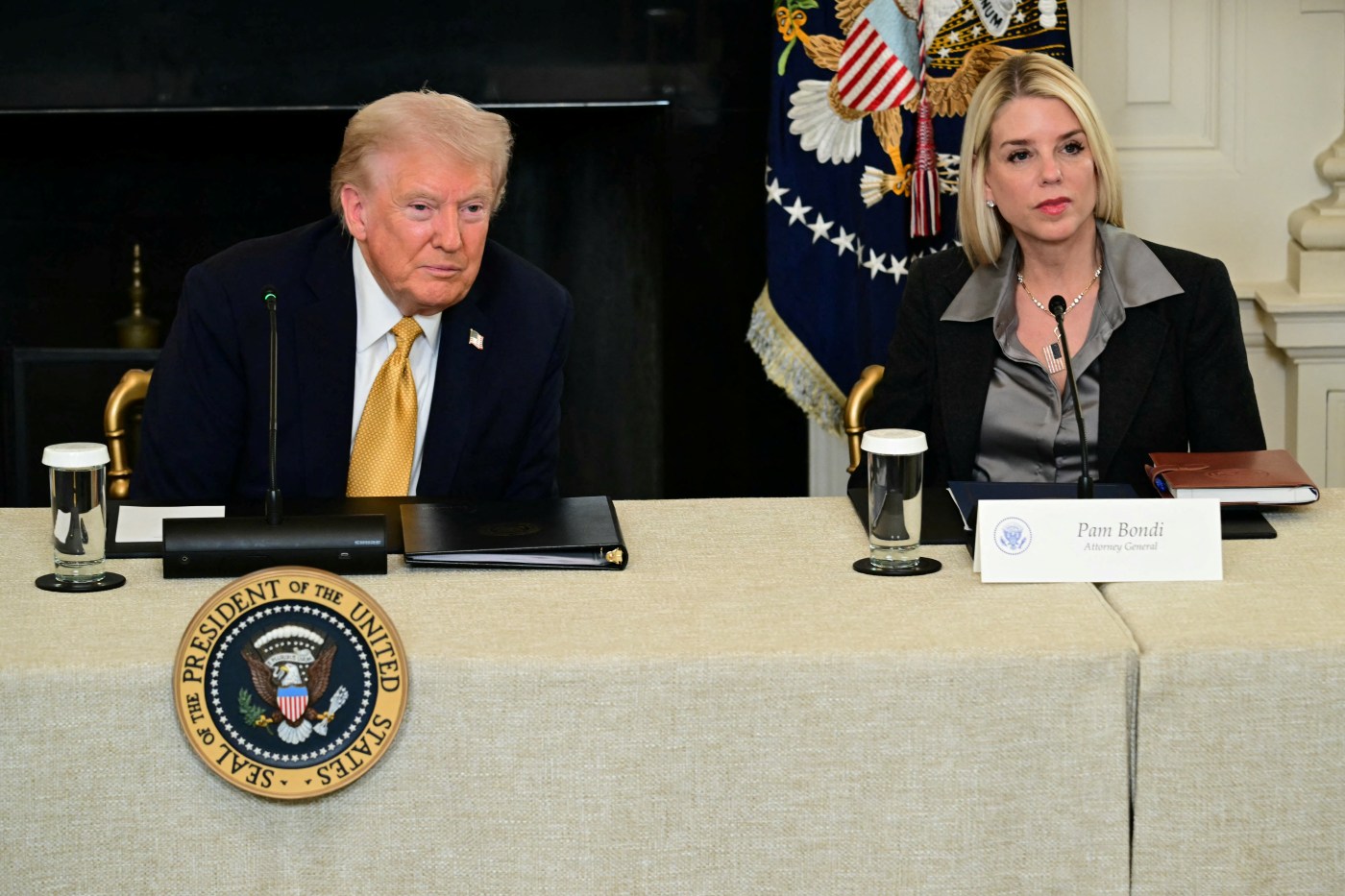
President Donald Trump’s recent decision to support the release of the Epstein files has prompted a swift and surprising response from lawmakers in Congress. In a near-unanimous vote, Congress approved the release, a stark contrast to the previous Republican stance of keeping the documents sealed. This change raises questions about the integrity of legislative independence and the influence of party leadership.
The Founding Fathers established a system of government designed to maintain a balance of power among the three branches: legislative, judicial, and executive. Each branch was expected to operate independently, ensuring that no single entity could dominate the others. The events surrounding the Epstein files suggest this principle has been undermined. Following Trump’s endorsement for transparency, Republican members of Congress quickly fell in line, appearing to prioritize allegiance to the President over their legislative duties.
This episode highlights troubling trends within the American political landscape. Critics argue that the congressional response signals a surrender of autonomy, as lawmakers acted more like followers than independent representatives. The checks and balances intended to safeguard democracy seem increasingly fragile, raising concerns about the potential erosion of democratic norms.
As the political climate shifts, the motivations behind Trump’s change of heart remain a topic of speculation. Critics have pointed out that Trump’s previous resistance to releasing the files could have been a strategic effort to sanitize the documents, potentially removing any negative implications regarding his own connections to Jeffrey Epstein. The implications of such actions have stirred debate among political observers, who describe the situation as a troubling example of political maneuvering.
The Cultural Significance of the Cotton Club
In a related cultural development, the historic Cotton Club in Harlem has officially entered the market for sale, presenting a unique opportunity for revitalization and preservation. As a landmark deeply tied to Harlem’s musical and cultural heritage, its future will be pivotal in shaping the community’s identity. Stakeholders are encouraged to consider how best to honor the club’s legacy while fostering new development in the area.
The Cotton Club has been a symbol of African American culture and artistry since the Harlem Renaissance. As potential buyers emerge, the community hopes that the next chapter for this iconic venue will focus on meaningful investment and respect for its historical significance.
Political Reflections and Community Voices
In the political arena, the editorial board’s recent commentary on the role of the NYPD and its leadership has drawn mixed reactions. Newly elected officials, including Council member Zohran Mamdani, face scrutiny over their relationships with law enforcement and the implications for community trust. Concerns persist about the effectiveness of NYPD leadership and its alignment with community needs, especially regarding minority populations.
Voices from the community express a desire for change, urging local leaders to prioritize issues such as social equity and access to essential services. The discourse around police reform remains a critical point of contention, as residents call for accountability and transparency in law enforcement practices.
As the political landscape continues to evolve and cultural landmarks change hands, the interplay of power, community values, and historical significance will shape the future of both governance and cultural preservation in New York City and beyond.

Church Members Rally Together After Thanksgiving Fire Devastation

U.S. Investment in Canadian Energy Firms Surges Despite Low Oil Prices

Nick Jonas Unveils New Solo Album ‘Sunday Best’ Set for February Release

Researchers Urge Label Changes for Low-Alcohol Drinks to Aid Pregnant Women

Wedding Cookie Table Community Aims for World’s Largest Cookie Exchange

Mayor Appoints Alan Wong as New Supervisor for District 4

UK Report Reveals Growing Role of AI in University Research Assessments

Mayor Lurie Appoints Alan Wong as New District 4 Supervisor

South Korea Strengthens FX Oversight in Urgent Market Stabilization

Urgent Update: Tom Aspinall’s Vision Deteriorates After UFC 321

MIT Scientists Uncover Surprising Genomic Loops During Cell Division

University of Hawaiʻi Joins $25.6M AI Project to Enhance Disaster Monitoring

AI Disruption: AWS Faces Threat as Startups Shift Cloud Focus

Time Crystals Revolutionize Quantum Computing Potential

Honeywell Forecasts Record Business Jet Deliveries Over Next Decade

Discover the Full Map of Pokémon Legends: Z-A’s Lumiose City

GOP Faces Backlash as Protests Surge Against Trump Policies

Parenthood Set to Depart Hulu: What Fans Need to Know
-
 Top Stories1 month ago
Urgent Update: Tom Aspinall’s Vision Deteriorates After UFC 321
-
 Health1 month ago
MIT Scientists Uncover Surprising Genomic Loops During Cell Division
-
Science4 weeks ago
University of Hawaiʻi Joins $25.6M AI Project to Enhance Disaster Monitoring
-
 Top Stories1 month ago
AI Disruption: AWS Faces Threat as Startups Shift Cloud Focus
-
 Science2 months ago
Time Crystals Revolutionize Quantum Computing Potential
-
 World2 months ago
Honeywell Forecasts Record Business Jet Deliveries Over Next Decade
-
 Entertainment1 month ago
Discover the Full Map of Pokémon Legends: Z-A’s Lumiose City
-
 Top Stories2 months ago
GOP Faces Backlash as Protests Surge Against Trump Policies
-
 Entertainment2 months ago
Parenthood Set to Depart Hulu: What Fans Need to Know
-

 Politics2 months ago
Judge Signals Dismissal of Chelsea Housing Case Citing AI Flaws
-

 Sports2 months ago
Yoshinobu Yamamoto Shines in Game 2, Leading Dodgers to Victory
-

 Health2 months ago
Maine Insurers Cut Medicare Advantage Plans Amid Cost Pressures