
Science
$20,000 NEO Robot Servant Demands Human Oversight

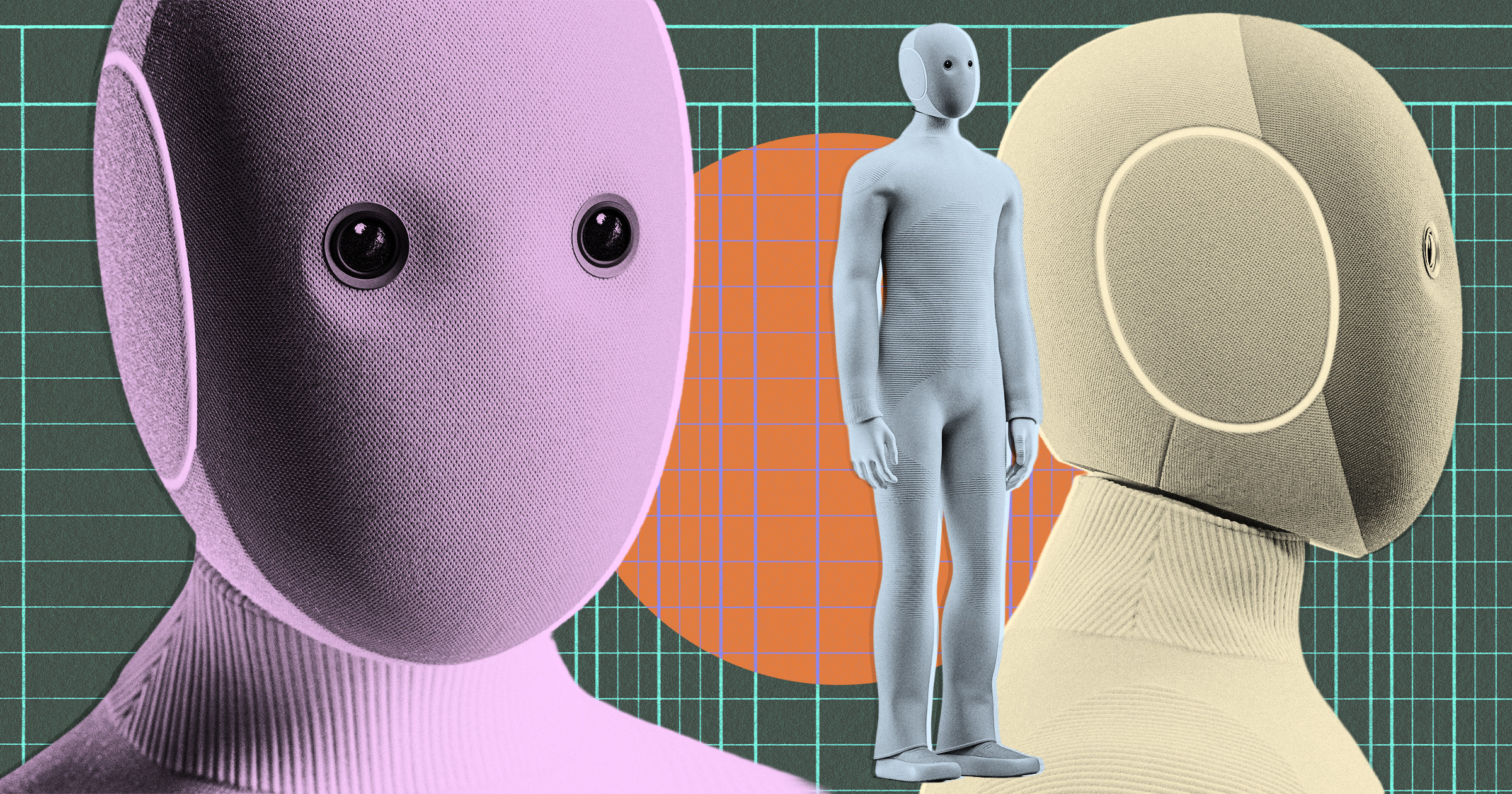
In 2026, a new robotic assistant designed to alleviate household chores is set to hit the market, but it comes with a significant caveat. The NEO robot, developed by the Palo Alto-based startup 1X, requires human oversight to function. Priced at $20,000, this robot is not the autonomous helper many had hoped for, as it operates with the assistance of remote workers.
The NEO is currently in its preorder phase, with a reservation fee of $200. Once the robot is delivered, users can choose between a subscription model costing $499 per month or a one-time payment of $20,000. Weighing 66 pounds and standing at 5 feet 6 inches, the NEO comes in various shades, including tan, gray, and dark brown.
Human Interaction Required for Operations
Designed by Bernt Børnich, founder and CEO of 1X, the NEO aims to provide a friendly solution to the “hard, dark, sci-fi future” often depicted in robotics. Instead, Børnich envisions a more approachable robot that integrates into daily life. However, the operational model relies heavily on human input. Users must download an app to schedule tasks for the robot, which will then be carried out by remote operators who can see and interact with the environment.
Børnich acknowledged the need for data collection during an interview with the Wall Street Journal. He stated, “If we don’t have your data, we can’t make the product better.” The NEO will not only be remote-controlled but will also gather data from its environment to enhance its artificial intelligence capabilities. This means that while the NEO may eventually learn to perform tasks autonomously, its initial functionality will depend on human supervision.
Challenges Ahead for Humanoid Robotics
Despite the excitement surrounding the NEO, its limitations highlight ongoing challenges in the field of humanoid robotics. Tech journalist Michael Hiltzik emphasizes that even advanced robotic models struggle with basic tasks, such as navigating home environments or safely handling fragile objects. The promise of a fully autonomous robot butler still appears to be a distant reality.
Critics argue that projects like the NEO and Tesla’s Optimus are more focused on capitalizing on technological hype than on delivering practical solutions for consumers. The current state of humanoid robotics suggests that while significant advancements are occurring in industrial applications, the journey toward household robotics remains fraught with obstacles.
For now, those looking to ease their household burdens may find that the most effective solution is still human assistance. As the NEO begins shipping next year, early adopters will need to adjust to the reality that their robotic companion may require more human interaction than anticipated.

Woman Arrested for Threatening U-Haul Worker with Baton

Japan’s PM Takaichi Vows Urgent Fiscal Management Amid Rate Trends

Bitcoin Plummets Below $88K Amid Tether Concerns and Warnings

Tottenville Falls Short in PSAL 4A Title Game Against Erasmus

Shark Teeth Study Reveals Urgent Clues to Prevent Extinction

Church Members Rally Together After Thanksgiving Fire Devastation

U.S. Investment in Canadian Energy Firms Surges Despite Low Oil Prices

Nick Jonas Unveils New Solo Album ‘Sunday Best’ Set for February Release

Researchers Urge Label Changes for Low-Alcohol Drinks to Aid Pregnant Women

Urgent Update: Tom Aspinall’s Vision Deteriorates After UFC 321

MIT Scientists Uncover Surprising Genomic Loops During Cell Division

University of Hawaiʻi Joins $25.6M AI Project to Enhance Disaster Monitoring

AI Disruption: AWS Faces Threat as Startups Shift Cloud Focus

Time Crystals Revolutionize Quantum Computing Potential

Honeywell Forecasts Record Business Jet Deliveries Over Next Decade

Discover the Full Map of Pokémon Legends: Z-A’s Lumiose City

GOP Faces Backlash as Protests Surge Against Trump Policies

Parenthood Set to Depart Hulu: What Fans Need to Know
-
 Top Stories1 month ago
Urgent Update: Tom Aspinall’s Vision Deteriorates After UFC 321
-
 Health1 month ago
MIT Scientists Uncover Surprising Genomic Loops During Cell Division
-
Science4 weeks ago
University of Hawaiʻi Joins $25.6M AI Project to Enhance Disaster Monitoring
-
 Top Stories1 month ago
AI Disruption: AWS Faces Threat as Startups Shift Cloud Focus
-
 Science2 months ago
Time Crystals Revolutionize Quantum Computing Potential
-
 World2 months ago
Honeywell Forecasts Record Business Jet Deliveries Over Next Decade
-
 Entertainment1 month ago
Discover the Full Map of Pokémon Legends: Z-A’s Lumiose City
-
 Top Stories2 months ago
GOP Faces Backlash as Protests Surge Against Trump Policies
-
 Entertainment2 months ago
Parenthood Set to Depart Hulu: What Fans Need to Know
-

 Politics2 months ago
Judge Signals Dismissal of Chelsea Housing Case Citing AI Flaws
-

 Sports2 months ago
Yoshinobu Yamamoto Shines in Game 2, Leading Dodgers to Victory
-

 Health2 months ago
Maine Insurers Cut Medicare Advantage Plans Amid Cost Pressures