
Science
Hacker Explores Reverse Biasing of NPN BJTs in 2025 Challenge

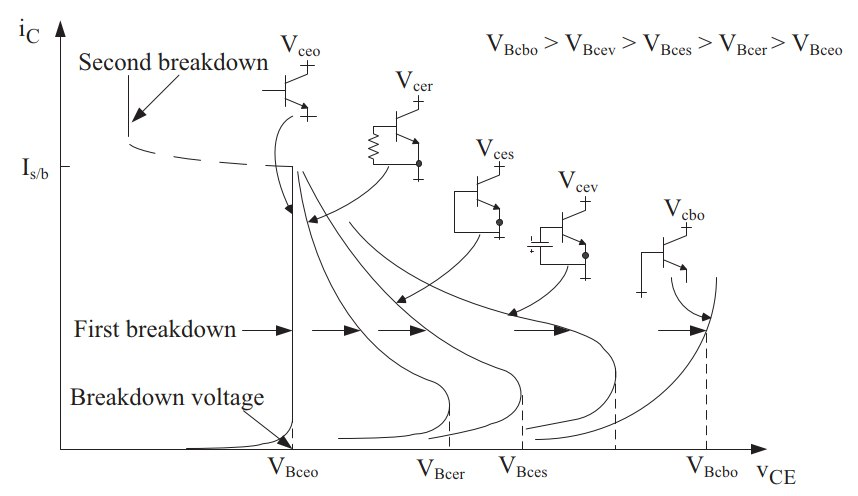
In an intriguing exploration of transistor behavior, hacker Tim Williams has put forth a unique challenge for the 2025 Component Abuse Challenge by examining the concept of reverse biasing in NPN bipolar junction transistors (BJTs). His experiments raise questions about the operational limits of these components, particularly when they are not designed for such use.
Williams humorously notes that “N-P-N” reads the same forwards and backwards, prompting curiosity about the effects of reverse biasing on these transistors. Despite the lighthearted nature of his commentary, the reality is that the doping levels in the emitter and collector of an NPN transistor differ significantly. As a result, this affects their electrical characteristics, meaning they will not function identically when reverse biased.
Historically, the topic was first posed by the renowned engineer Bob Pease on March 18, 1996. In his discussion, Pease pointed out that while some transistors are engineered to operate in what Williams describes as “inverted mode,” most standard BJTs are not intended for such usage. This kind of reverse biasing could lead to component damage and malfunction.
Williams reported measuring an output voltage of approximately -0.4 volts using a high-impedance meter during his experiments. However, attempts to replicate this result in a laboratory setting were unsuccessful, highlighting the complexities involved in such experiments. Many variables could influence the outcome, and the results may vary significantly based on the specific conditions and equipment used.
For those interested in delving deeper into the world of transistors, resources are available, including a five-part series focusing on transistors as amplifiers. The series begins with a light-hearted introduction titled “Won’t Somebody, Please, Think Of The Transistors!”
Engagement with the community is encouraged, as feedback and results from personal experiments are welcomed in the comments section. As the Component Abuse Challenge unfolds, the excitement around innovative approaches to electronic components continues to grow. Thanks to Tim Williams for his contribution, and best of luck to all participants in the competition.

Bitcoin Plummets Below $88K Amid Tether Concerns and Warnings

Tottenville Falls Short in PSAL 4A Title Game Against Erasmus

Shark Teeth Study Reveals Urgent Clues to Prevent Extinction

Church Members Rally Together After Thanksgiving Fire Devastation

U.S. Investment in Canadian Energy Firms Surges Despite Low Oil Prices

Nick Jonas Unveils New Solo Album ‘Sunday Best’ Set for February Release

Researchers Urge Label Changes for Low-Alcohol Drinks to Aid Pregnant Women

Wedding Cookie Table Community Aims for World’s Largest Cookie Exchange

Mayor Appoints Alan Wong as New Supervisor for District 4

Urgent Update: Tom Aspinall’s Vision Deteriorates After UFC 321

MIT Scientists Uncover Surprising Genomic Loops During Cell Division

University of Hawaiʻi Joins $25.6M AI Project to Enhance Disaster Monitoring

AI Disruption: AWS Faces Threat as Startups Shift Cloud Focus

Time Crystals Revolutionize Quantum Computing Potential

Honeywell Forecasts Record Business Jet Deliveries Over Next Decade

Discover the Full Map of Pokémon Legends: Z-A’s Lumiose City

Parenthood Set to Depart Hulu: What Fans Need to Know

GOP Faces Backlash as Protests Surge Against Trump Policies
-
 Top Stories1 month ago
Urgent Update: Tom Aspinall’s Vision Deteriorates After UFC 321
-
 Health1 month ago
MIT Scientists Uncover Surprising Genomic Loops During Cell Division
-
Science4 weeks ago
University of Hawaiʻi Joins $25.6M AI Project to Enhance Disaster Monitoring
-
 Top Stories1 month ago
AI Disruption: AWS Faces Threat as Startups Shift Cloud Focus
-
 Science2 months ago
Time Crystals Revolutionize Quantum Computing Potential
-
 World2 months ago
Honeywell Forecasts Record Business Jet Deliveries Over Next Decade
-
 Entertainment1 month ago
Discover the Full Map of Pokémon Legends: Z-A’s Lumiose City
-
 Entertainment2 months ago
Parenthood Set to Depart Hulu: What Fans Need to Know
-
 Top Stories2 months ago
GOP Faces Backlash as Protests Surge Against Trump Policies
-

 Politics2 months ago
Judge Signals Dismissal of Chelsea Housing Case Citing AI Flaws
-

 Sports2 months ago
Yoshinobu Yamamoto Shines in Game 2, Leading Dodgers to Victory
-

 Health2 months ago
Maine Insurers Cut Medicare Advantage Plans Amid Cost Pressures