
Science
Neuroscientists Explore Memory Manipulation for Healing Purposes

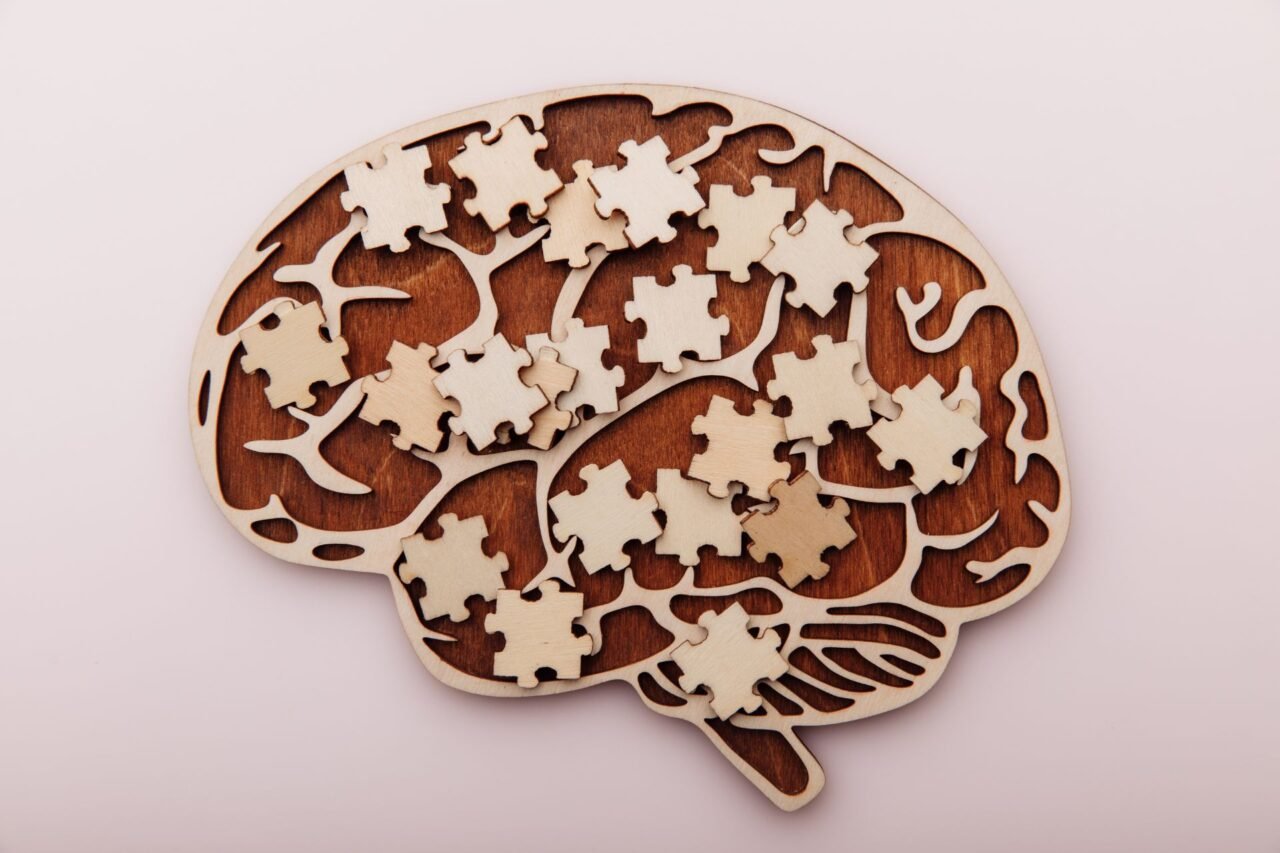
Recent advancements in neuroscience have opened the door to potentially transformative applications in memory manipulation. Scientists, led by Steve Ramirez, a researcher from the Massachusetts Institute of Technology (MIT), are exploring how altering memories could address mental health issues and enhance well-being. Ramirez’s upcoming book, How to Change a Memory: One Neuroscientist’s Quest to Alter the Past, is set to be published by Princeton University Press on November 4, 2023.
Research over the past few decades has demonstrated that memories are not static records of past events but rather dynamic constructs that can change over time. This malleability means that individuals can be led to recall events that never occurred, a phenomenon that has raised ethical concerns in legal settings, where false memories have contributed to wrongful convictions.
Initially, Ramirez and his collaborator Xu Liu made significant strides in this field by successfully implanting false memories in lab mice. Their pioneering work has since inspired a growing body of research focused on understanding and manipulating memory. According to Ramirez, the field has seen a remarkable expansion, with numerous studies dedicated to investigating the mechanics of memory and its implications for mental health.
Expanding Horizons of Memory Research
The evolution of memory manipulation science has been striking. Ramirez notes that what began as a single paper has evolved into a thriving field, evidenced by recent conferences in Ireland that brought together hundreds of researchers. This collaborative environment fosters innovation, allowing scientists to explore various techniques for manipulating engrams, the physical traces of memories in the brain.
Current research is not only focused on inducing false memories but also aims to restore lost memories in conditions such as Alzheimer’s disease, amnesia, and even addiction. Ramirez highlights the potential for activating positive memories to alleviate symptoms of depression and anxiety, showcasing a shift toward therapeutic applications of memory manipulation.
Despite the promising advancements, concerns about ethical implications remain. Ramirez emphasizes the importance of transparent dialogue among researchers, clinicians, and the public. He advocates for a collective understanding of the ramifications of memory manipulation, ensuring that it is used responsibly and solely for therapeutic purposes. By establishing clear ethical guidelines, the scientific community can prevent misuse while harnessing the benefits of memory research.
Personal Reflections and Broader Implications
In addition to his scientific insights, Ramirez’s book intertwines personal narratives, particularly reflecting on his relationship with Liu, who passed away unexpectedly at age 37. This personal journey enriches the exploration of memory, illustrating its profound impact on human connections and experiences. Ramirez hopes that readers will gain a deeper appreciation of memory’s role in shaping both individual lives and collective experiences.
Ramirez’s optimistic outlook on the future of memory manipulation stems from a respect for its complexity. He believes that understanding memory can foster empathy and connection among people, allowing shared experiences to bridge divides. He encourages readers to reflect on their memories as a means of connecting with others, ultimately reinforcing the idea that our shared human experiences can lead to greater understanding and compassion.
As the field of memory manipulation continues to develop, researchers like Ramirez are committed to ensuring that the potential benefits outweigh the risks. By focusing on health restoration and well-being, the aim is to use these advancements to support individuals struggling with debilitating conditions, rather than merely erasing unpleasant memories.
In a world where memories shape our identities and relationships, Ramirez’s work stands at the frontier of neuroscience, promising not only to alter how we understand memory but also to redefine the ways in which we can heal and connect with one another.

Woman Arrested for Threatening U-Haul Worker with Baton

Japan’s PM Takaichi Vows Urgent Fiscal Management Amid Rate Trends

Bitcoin Plummets Below $88K Amid Tether Concerns and Warnings

Tottenville Falls Short in PSAL 4A Title Game Against Erasmus

Shark Teeth Study Reveals Urgent Clues to Prevent Extinction

Church Members Rally Together After Thanksgiving Fire Devastation

U.S. Investment in Canadian Energy Firms Surges Despite Low Oil Prices

Nick Jonas Unveils New Solo Album ‘Sunday Best’ Set for February Release

Researchers Urge Label Changes for Low-Alcohol Drinks to Aid Pregnant Women

Urgent Update: Tom Aspinall’s Vision Deteriorates After UFC 321

MIT Scientists Uncover Surprising Genomic Loops During Cell Division

University of Hawaiʻi Joins $25.6M AI Project to Enhance Disaster Monitoring

AI Disruption: AWS Faces Threat as Startups Shift Cloud Focus

Time Crystals Revolutionize Quantum Computing Potential

Honeywell Forecasts Record Business Jet Deliveries Over Next Decade

Discover the Full Map of Pokémon Legends: Z-A’s Lumiose City

GOP Faces Backlash as Protests Surge Against Trump Policies

Parenthood Set to Depart Hulu: What Fans Need to Know
-
 Top Stories1 month ago
Urgent Update: Tom Aspinall’s Vision Deteriorates After UFC 321
-
 Health1 month ago
MIT Scientists Uncover Surprising Genomic Loops During Cell Division
-
Science4 weeks ago
University of Hawaiʻi Joins $25.6M AI Project to Enhance Disaster Monitoring
-
 Top Stories1 month ago
AI Disruption: AWS Faces Threat as Startups Shift Cloud Focus
-
 Science2 months ago
Time Crystals Revolutionize Quantum Computing Potential
-
 World2 months ago
Honeywell Forecasts Record Business Jet Deliveries Over Next Decade
-
 Entertainment1 month ago
Discover the Full Map of Pokémon Legends: Z-A’s Lumiose City
-
 Top Stories2 months ago
GOP Faces Backlash as Protests Surge Against Trump Policies
-
 Entertainment2 months ago
Parenthood Set to Depart Hulu: What Fans Need to Know
-

 Politics2 months ago
Judge Signals Dismissal of Chelsea Housing Case Citing AI Flaws
-

 Sports2 months ago
Yoshinobu Yamamoto Shines in Game 2, Leading Dodgers to Victory
-

 Health2 months ago
Maine Insurers Cut Medicare Advantage Plans Amid Cost Pressures