
Science
New Bioinspired Instrument Aims to Assess Planetary Habitability

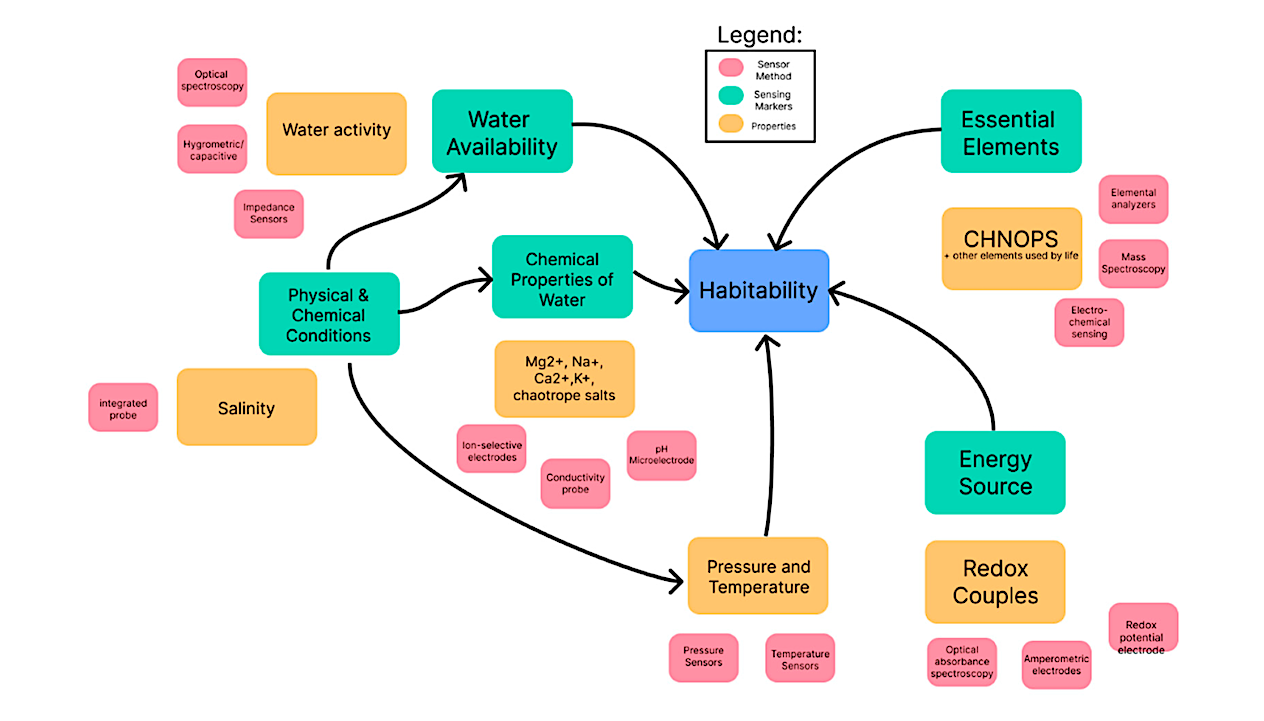
A pioneering initiative in astrobiology has emerged with the development of a bioinspired instrument designed to evaluate the habitability of other planetary bodies. This instrument, referred to as the Integrated Total Habitability Instrument, aims to measure essential indicators such as liquid water, CHNOPS elements, and nutrient availability, which are critical for determining if extraterrestrial environments could support known life forms.
The quest for discovering habitable conditions beyond Earth hinges on understanding various environmental parameters. The Integrated Total Habitability Instrument intends to consolidate multiple sensing technologies into a single device, significantly enhancing the efficiency of planetary exploration missions. By integrating these capabilities, the instrument can provide comprehensive data on factors deemed essential for life.
Understanding Habitability Indicators
To assess whether an environment can sustain life, researchers identify several key factors. Among these, the presence of liquid water is paramount, as it is a fundamental requirement for all known organisms. Additionally, the presence of CHNOPS elements—carbon, hydrogen, nitrogen, oxygen, phosphorus, and sulfur—forms the basis of essential biological molecules. The instrument will also evaluate nutrient availability and energy sources, both vital for sustaining life processes.
This innovative approach is particularly relevant for upcoming space missions aimed at exploring planets and moons within our solar system. The potential for a single, multifunctional device to gather diverse data could streamline research efforts and facilitate more sophisticated analysis of extraterrestrial environments.
Technological Innovations and Future Applications
The development of the Integrated Total Habitability Instrument draws inspiration from nature, utilizing bioinspired design principles to enhance its functionality. The instrument’s sensing technologies will be tailored to detect and analyze environmental conditions with high precision.
As missions to planets like Mars and moons such as Europa unfold, the need for reliable, all-encompassing assessments of habitability becomes increasingly critical. This integrated tool may not only support current exploratory efforts but also pave the way for future missions aimed at searching for signs of life beyond our planet.
Researchers and scientists involved in this project emphasize the significance of such advancements in astrobiology. The successful deployment of the Integrated Total Habitability Instrument could lead to groundbreaking discoveries about the potential for life in previously unexplored locations, significantly impacting our understanding of life in the universe.
With ongoing developments in this area, the prospects for enhanced planetary exploration and the search for extraterrestrial life continue to expand. As this innovative instrument approaches readiness, it holds the promise of transforming how scientists assess habitability across the cosmos, igniting further interest in the field of astrobiology.

Shark Teeth Study Reveals Urgent Clues to Prevent Extinction

Church Members Rally Together After Thanksgiving Fire Devastation

U.S. Investment in Canadian Energy Firms Surges Despite Low Oil Prices

Nick Jonas Unveils New Solo Album ‘Sunday Best’ Set for February Release

Researchers Urge Label Changes for Low-Alcohol Drinks to Aid Pregnant Women

Wedding Cookie Table Community Aims for World’s Largest Cookie Exchange

Mayor Appoints Alan Wong as New Supervisor for District 4

UK Report Reveals Growing Role of AI in University Research Assessments

Mayor Lurie Appoints Alan Wong as New District 4 Supervisor

Urgent Update: Tom Aspinall’s Vision Deteriorates After UFC 321

MIT Scientists Uncover Surprising Genomic Loops During Cell Division

University of Hawaiʻi Joins $25.6M AI Project to Enhance Disaster Monitoring

AI Disruption: AWS Faces Threat as Startups Shift Cloud Focus

Time Crystals Revolutionize Quantum Computing Potential

Honeywell Forecasts Record Business Jet Deliveries Over Next Decade

Discover the Full Map of Pokémon Legends: Z-A’s Lumiose City

GOP Faces Backlash as Protests Surge Against Trump Policies

Parenthood Set to Depart Hulu: What Fans Need to Know
-
 Top Stories1 month ago
Urgent Update: Tom Aspinall’s Vision Deteriorates After UFC 321
-
 Health1 month ago
MIT Scientists Uncover Surprising Genomic Loops During Cell Division
-
Science4 weeks ago
University of Hawaiʻi Joins $25.6M AI Project to Enhance Disaster Monitoring
-
 Top Stories1 month ago
AI Disruption: AWS Faces Threat as Startups Shift Cloud Focus
-
 Science2 months ago
Time Crystals Revolutionize Quantum Computing Potential
-
 World2 months ago
Honeywell Forecasts Record Business Jet Deliveries Over Next Decade
-
 Entertainment1 month ago
Discover the Full Map of Pokémon Legends: Z-A’s Lumiose City
-
 Top Stories2 months ago
GOP Faces Backlash as Protests Surge Against Trump Policies
-
 Entertainment2 months ago
Parenthood Set to Depart Hulu: What Fans Need to Know
-

 Politics2 months ago
Judge Signals Dismissal of Chelsea Housing Case Citing AI Flaws
-

 Sports2 months ago
Yoshinobu Yamamoto Shines in Game 2, Leading Dodgers to Victory
-

 Health2 months ago
Maine Insurers Cut Medicare Advantage Plans Amid Cost Pressures