
Science
New Study Reveals Universe’s Expansion is Slowing Down

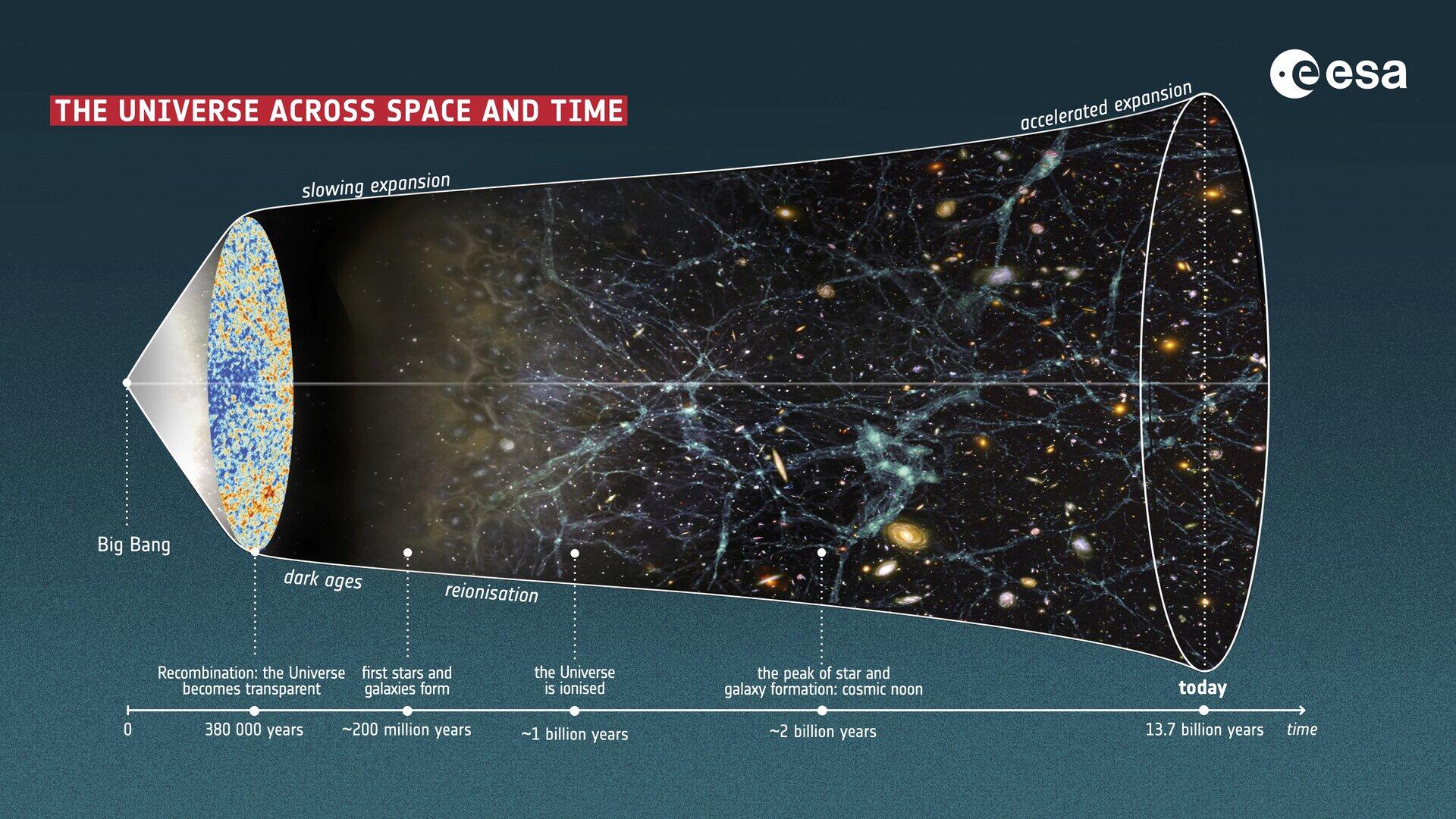
A recent study conducted by astronomers suggests that the universe is currently experiencing a slowdown in its expansion. This finding challenges long-held beliefs about the nature of dark energy and how it influences cosmic growth. The research indicates that the universe has entered a phase of decelerated expansion, a significant shift in our understanding of cosmology.
Lead researcher Professor Young-Wook Lee from Yonsei University in South Korea, emphasized the implications of this study. He stated, “Our study shows that the universe has already entered a phase of decelerated expansion at the present epoch and that dark energy evolves with time much more rapidly than previously thought.” If these findings are validated, they could signify a major change in the cosmological paradigm established since the discovery of dark energy nearly 27 years ago.
Understanding Hubble Residuals
The study introduces the concept of the “Hubble residual,” which refers to the discrepancies observed in the predicted versus actual velocities of galaxies. By analyzing these offsets, researchers were able to bolster their claims regarding the age of the universe and its expansion dynamics. The statistical support for these findings is robust, providing a strong foundation for further investigation.
The implications of a decelerating universe are profound. For years, the prevailing theory suggested that dark energy, which accounts for approximately 68% of the universe, leads to accelerated expansion. This new perspective could reshape our understanding of cosmic evolution and the forces that govern it.
Potential Impact on Cosmology
If confirmed, this research could prompt a reevaluation of various cosmological models and assumptions. It may also lead to new inquiries regarding the nature of dark energy itself and its role in the universe’s expansion. The scientific community is urged to approach these findings with scrutiny, as such a significant shift in understanding could have lasting effects on future research and theories in the field.
In conclusion, the findings presented by Professor Lee and his team mark a pivotal moment in cosmological studies. As scientists delve deeper into the implications of a slowing universe, the quest for understanding the fundamental forces at play will continue to evolve. The ongoing research holds the potential to unlock new insights into the universe’s history and its ultimate fate.

Bitcoin Plummets Below $88K Amid Tether Concerns and Warnings

Tottenville Falls Short in PSAL 4A Title Game Against Erasmus

Shark Teeth Study Reveals Urgent Clues to Prevent Extinction

Church Members Rally Together After Thanksgiving Fire Devastation

U.S. Investment in Canadian Energy Firms Surges Despite Low Oil Prices

Nick Jonas Unveils New Solo Album ‘Sunday Best’ Set for February Release

Researchers Urge Label Changes for Low-Alcohol Drinks to Aid Pregnant Women

Wedding Cookie Table Community Aims for World’s Largest Cookie Exchange

Mayor Appoints Alan Wong as New Supervisor for District 4

Urgent Update: Tom Aspinall’s Vision Deteriorates After UFC 321

MIT Scientists Uncover Surprising Genomic Loops During Cell Division

University of Hawaiʻi Joins $25.6M AI Project to Enhance Disaster Monitoring

AI Disruption: AWS Faces Threat as Startups Shift Cloud Focus

Time Crystals Revolutionize Quantum Computing Potential

Honeywell Forecasts Record Business Jet Deliveries Over Next Decade

Discover the Full Map of Pokémon Legends: Z-A’s Lumiose City

GOP Faces Backlash as Protests Surge Against Trump Policies

Parenthood Set to Depart Hulu: What Fans Need to Know
-
 Top Stories1 month ago
Urgent Update: Tom Aspinall’s Vision Deteriorates After UFC 321
-
 Health1 month ago
MIT Scientists Uncover Surprising Genomic Loops During Cell Division
-
Science4 weeks ago
University of Hawaiʻi Joins $25.6M AI Project to Enhance Disaster Monitoring
-
 Top Stories1 month ago
AI Disruption: AWS Faces Threat as Startups Shift Cloud Focus
-
 Science2 months ago
Time Crystals Revolutionize Quantum Computing Potential
-
 World2 months ago
Honeywell Forecasts Record Business Jet Deliveries Over Next Decade
-
 Entertainment1 month ago
Discover the Full Map of Pokémon Legends: Z-A’s Lumiose City
-
 Top Stories2 months ago
GOP Faces Backlash as Protests Surge Against Trump Policies
-
 Entertainment2 months ago
Parenthood Set to Depart Hulu: What Fans Need to Know
-

 Politics2 months ago
Judge Signals Dismissal of Chelsea Housing Case Citing AI Flaws
-

 Sports2 months ago
Yoshinobu Yamamoto Shines in Game 2, Leading Dodgers to Victory
-

 Health2 months ago
Maine Insurers Cut Medicare Advantage Plans Amid Cost Pressures