
Science
Ohio State Study Uncovers Brain Connectivity and Function Insights

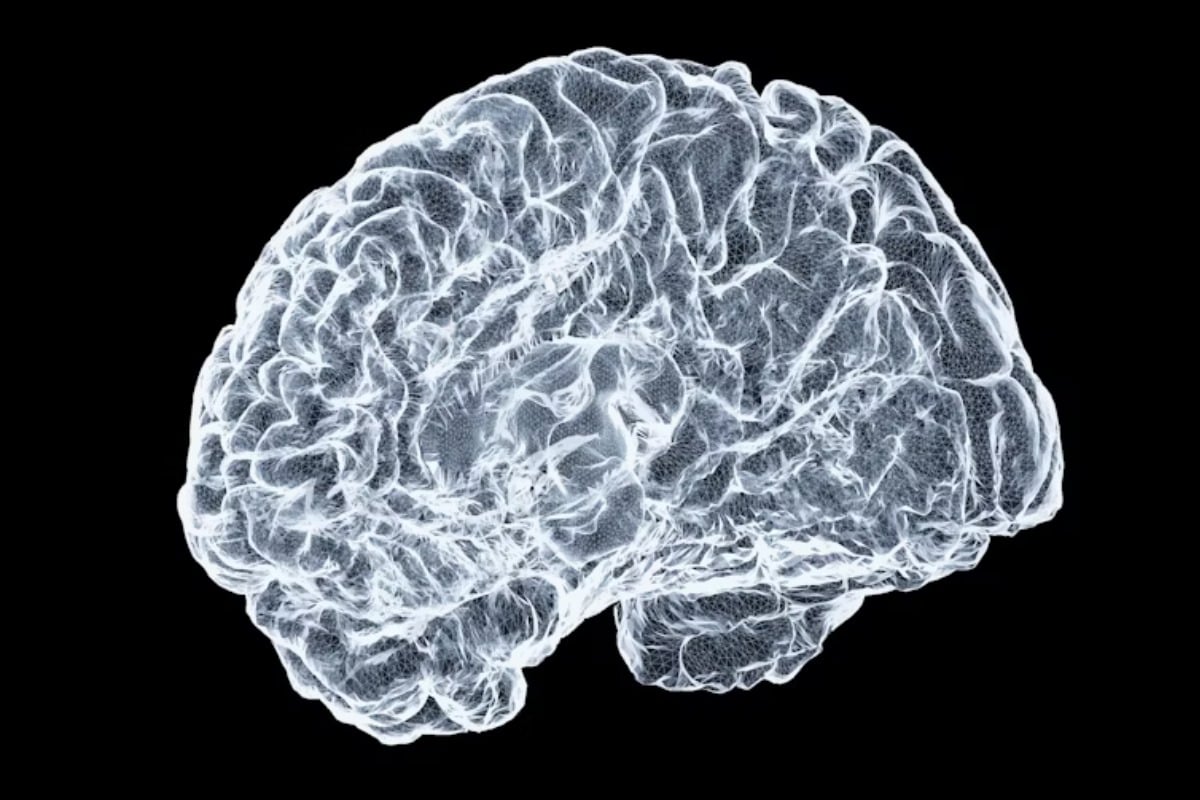
Researchers at Ohio State University have unveiled significant insights into the brain’s connectivity and its functional organization. This comprehensive study, regarded as the most detailed examination to date, explores how the brain’s networking patterns influence its diverse range of operations. The findings, reported by OSU News, highlight the intricate connections that define different brain functions.
Mapping the Brain’s Connectivity
While earlier research focused on mapping the connectivity associated with isolated brain functions, the team led by doctoral student Kelly Hiersche has taken a broader approach. They aimed to provide a “bird’s eye view” of the entire brain, revealing the complex cabling system that underpins its functionality. Hiersche emphasized the importance of their findings, stating, “We found evidence suggesting that connectivity is a fundamental organizational principle governing brain function, which has implications for understanding what happens when things go wrong in the brain.”
This research not only identifies unique “connectivity fingerprints” for various brain regions but also establishes a framework for differentiating the functions of each area. Senior author David Osher offered an example of this distinction, noting, “Our findings help us understand the connectivity pattern that makes a language area unique, for example, and what makes it different from adjacent areas in the brain.”
Insights for Future Research
Utilizing data from the Human Connectome Project, which included MRI scans of 1,018 individuals, this study promises to enhance our understanding of the brain’s elaborate wiring. Each region of the brain, likened to a fingerprint, displays distinct functional processing compared to its neighboring areas. Associate professor Zeynep Saygin reinforced this idea, stating, “Just like how everyone’s fingerprint is unique, we find that different brain regions have uniquely identifying connectivity fingerprints based on what mental function they perform.”
The findings of this research have been published in the journal Network Neuroscience. They underscore the interconnectedness and functional distinctiveness of the brain’s various regions. As scientists delve deeper into these connectivity patterns, the potential to unravel the complexities of both typical and atypical brain function becomes increasingly apparent.
This study not only illuminates the usual traffic patterns of brain activity but also offers a roadmap for diagnosing and understanding brain disorders where these pathways may be disrupted. As research in this field continues to progress, the implications for mental health and neurological disorders could be profound.

Japan’s PM Takaichi Vows Urgent Fiscal Management Amid Rate Trends

Bitcoin Plummets Below $88K Amid Tether Concerns and Warnings

Tottenville Falls Short in PSAL 4A Title Game Against Erasmus

Shark Teeth Study Reveals Urgent Clues to Prevent Extinction

Church Members Rally Together After Thanksgiving Fire Devastation

U.S. Investment in Canadian Energy Firms Surges Despite Low Oil Prices

Nick Jonas Unveils New Solo Album ‘Sunday Best’ Set for February Release

Researchers Urge Label Changes for Low-Alcohol Drinks to Aid Pregnant Women

Wedding Cookie Table Community Aims for World’s Largest Cookie Exchange

Urgent Update: Tom Aspinall’s Vision Deteriorates After UFC 321

MIT Scientists Uncover Surprising Genomic Loops During Cell Division

University of Hawaiʻi Joins $25.6M AI Project to Enhance Disaster Monitoring

AI Disruption: AWS Faces Threat as Startups Shift Cloud Focus

Time Crystals Revolutionize Quantum Computing Potential

Honeywell Forecasts Record Business Jet Deliveries Over Next Decade

Discover the Full Map of Pokémon Legends: Z-A’s Lumiose City

GOP Faces Backlash as Protests Surge Against Trump Policies

Parenthood Set to Depart Hulu: What Fans Need to Know
-
 Top Stories1 month ago
Urgent Update: Tom Aspinall’s Vision Deteriorates After UFC 321
-
 Health1 month ago
MIT Scientists Uncover Surprising Genomic Loops During Cell Division
-
Science4 weeks ago
University of Hawaiʻi Joins $25.6M AI Project to Enhance Disaster Monitoring
-
 Top Stories1 month ago
AI Disruption: AWS Faces Threat as Startups Shift Cloud Focus
-
 Science2 months ago
Time Crystals Revolutionize Quantum Computing Potential
-
 World2 months ago
Honeywell Forecasts Record Business Jet Deliveries Over Next Decade
-
 Entertainment1 month ago
Discover the Full Map of Pokémon Legends: Z-A’s Lumiose City
-
 Top Stories2 months ago
GOP Faces Backlash as Protests Surge Against Trump Policies
-
 Entertainment2 months ago
Parenthood Set to Depart Hulu: What Fans Need to Know
-

 Politics2 months ago
Judge Signals Dismissal of Chelsea Housing Case Citing AI Flaws
-

 Sports2 months ago
Yoshinobu Yamamoto Shines in Game 2, Leading Dodgers to Victory
-

 Health2 months ago
Maine Insurers Cut Medicare Advantage Plans Amid Cost Pressures