
Science
Research Reveals Threats to Ocean Life from Deep-Sea Mining Waste

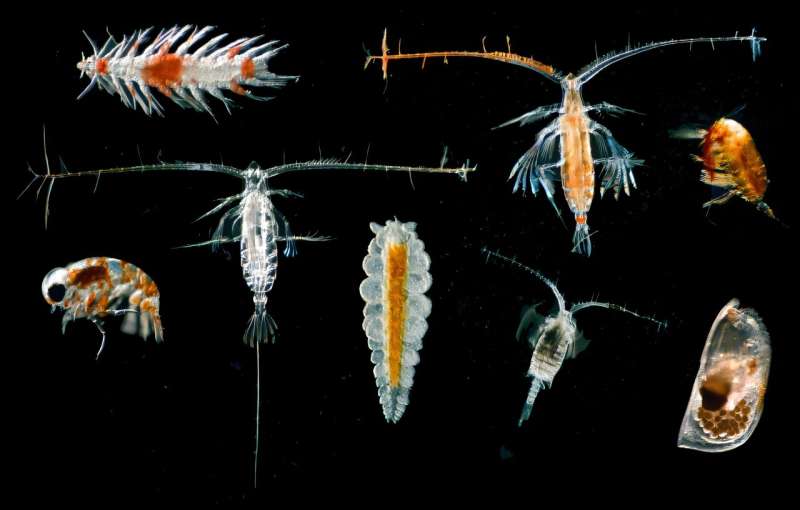
A groundbreaking study led by researchers at the University of Hawaii at Manoa has found that waste from deep-sea mining operations poses a significant threat to marine life in the Pacific’s biodiverse Clarion-Clipperton Zone (CCZ). Published in Nature Communications on November 6, 2025, this research highlights the potential disruption to the vital midwater “twilight zone,” located between 200 and 1,500 meters below sea level. This region is home to extensive communities of zooplankton, which are essential for the ocean’s food web.
The study indicates that an alarming 53% of all zooplankton and 60% of micronekton—small aquatic animals that feed on zooplankton—could be adversely affected by the waste discharged from mining operations. Michael Dowd, the lead author of the study and a graduate student in oceanography, explained, “When the waste released by mining activity enters the ocean, it creates water as murky as the mud-filled Mississippi River.” This sediment clouds the nutrient-rich food particles typically consumed by zooplankton, leading to potential disruptions throughout the food web.
Disruption of Deep-Sea Ecosystems
The research, titled “Deep-sea mining discharge can disrupt midwater food webs,” investigates the effects of mining waste produced during a trial operation in 2022. The CCZ is a vast area of the Pacific Ocean targeted for the extraction of polymetallic nodules, which contain critical minerals such as cobalt, nickel, and copper. Researchers collected and analyzed water samples from the depths of the discharge zone and found that the mining waste had significantly lower concentrations of amino acids, a key measure of nutritional value, compared to naturally occurring particles.
Co-author Erica Goetze, an oceanography professor at the School of Ocean and Earth Science and Technology (SOEST), emphasized the broader implications. “This isn’t just about mining the seafloor; it’s about reducing the food for entire communities in the deep sea,” she stated. The findings indicate that many animals at the depth of discharge rely on naturally occurring detrital particles, which the mining discharge could replace with less nutritious alternatives.
The study comes at a crucial time as countries increase efforts to meet the rising global demand for metals necessary for electric vehicle batteries and other low-carbon technologies. Currently, approximately 1.5 million square kilometers of the CCZ are licensed for deep-sea mining, highlighting an urgent need for effective regulations.
Implications for Global Fisheries and Ecosystems
During the deep-sea mining process, nodules are extracted from the seafloor alongside seawater and sediment. This mixture is transported to collection ships, where nodules are separated from the sediment waste, which must then be returned to the ocean. The depth at which this waste is released remains uncertain, with some operators proposing discharge within the twilight zone.
The impacts of such waste on midwater communities have largely been overlooked until now. The twilight zone is teeming with diverse life, including krill, fish, and squid. These organisms play a crucial role in transporting carbon to the ocean’s depths, supporting both oceanic and human health. Jeffrey Drazen, a co-author and deep-sea ecologist, warned, “Mining plumes don’t just create cloudy water—they change the quality of what’s available to eat, especially for animals that can’t easily swim away.”
There are pressing concerns about the long-term effects of large-scale commercial mining if it proceeds without stringent environmental protections. Pacific tuna fisheries operate in the CCZ, meaning that mining waste could affect fish populations that ultimately reach dinner plates worldwide. Brian Popp, another co-author and professor of earth sciences, remarked, “Deep-sea mining has not yet begun at a commercial scale, so this is our chance to make informed decisions.”
The authors of the study aim to inform international regulatory frameworks currently under consideration by the International Seabed Authority and the National Oceanic and Atmospheric Administration. They emphasize the need for comprehensive research to protect the entirety of ocean ecosystems.
“Before commercial deep-sea mining begins, it is essential to carefully consider the depth at which mining waste is discharged,” Drazen added. The consequences of improper discharge could harm marine communities extending from surface waters to the ocean floor.
Additional authors on the study include oceanography graduate students Victoria Assad and Alexus Cazares-Nuesser, along with professor Angelicque White. The study serves as a critical piece of evidence as the world grapples with balancing resource extraction and environmental preservation.

Bitcoin Plummets Below $88K Amid Tether Concerns and Warnings

Tottenville Falls Short in PSAL 4A Title Game Against Erasmus

Shark Teeth Study Reveals Urgent Clues to Prevent Extinction

Church Members Rally Together After Thanksgiving Fire Devastation

U.S. Investment in Canadian Energy Firms Surges Despite Low Oil Prices

Nick Jonas Unveils New Solo Album ‘Sunday Best’ Set for February Release

Researchers Urge Label Changes for Low-Alcohol Drinks to Aid Pregnant Women

Wedding Cookie Table Community Aims for World’s Largest Cookie Exchange

Mayor Appoints Alan Wong as New Supervisor for District 4

Urgent Update: Tom Aspinall’s Vision Deteriorates After UFC 321

MIT Scientists Uncover Surprising Genomic Loops During Cell Division

University of Hawaiʻi Joins $25.6M AI Project to Enhance Disaster Monitoring

AI Disruption: AWS Faces Threat as Startups Shift Cloud Focus

Time Crystals Revolutionize Quantum Computing Potential

Honeywell Forecasts Record Business Jet Deliveries Over Next Decade

Discover the Full Map of Pokémon Legends: Z-A’s Lumiose City

GOP Faces Backlash as Protests Surge Against Trump Policies

Parenthood Set to Depart Hulu: What Fans Need to Know
-
 Top Stories1 month ago
Urgent Update: Tom Aspinall’s Vision Deteriorates After UFC 321
-
 Health1 month ago
MIT Scientists Uncover Surprising Genomic Loops During Cell Division
-
Science4 weeks ago
University of Hawaiʻi Joins $25.6M AI Project to Enhance Disaster Monitoring
-
 Top Stories1 month ago
AI Disruption: AWS Faces Threat as Startups Shift Cloud Focus
-
 Science2 months ago
Time Crystals Revolutionize Quantum Computing Potential
-
 World2 months ago
Honeywell Forecasts Record Business Jet Deliveries Over Next Decade
-
 Entertainment1 month ago
Discover the Full Map of Pokémon Legends: Z-A’s Lumiose City
-
 Top Stories2 months ago
GOP Faces Backlash as Protests Surge Against Trump Policies
-
 Entertainment2 months ago
Parenthood Set to Depart Hulu: What Fans Need to Know
-

 Politics2 months ago
Judge Signals Dismissal of Chelsea Housing Case Citing AI Flaws
-

 Sports2 months ago
Yoshinobu Yamamoto Shines in Game 2, Leading Dodgers to Victory
-

 Health2 months ago
Maine Insurers Cut Medicare Advantage Plans Amid Cost Pressures