
Science
Satellite Images Reveal Mesovortices in Hurricane Melissa’s Path

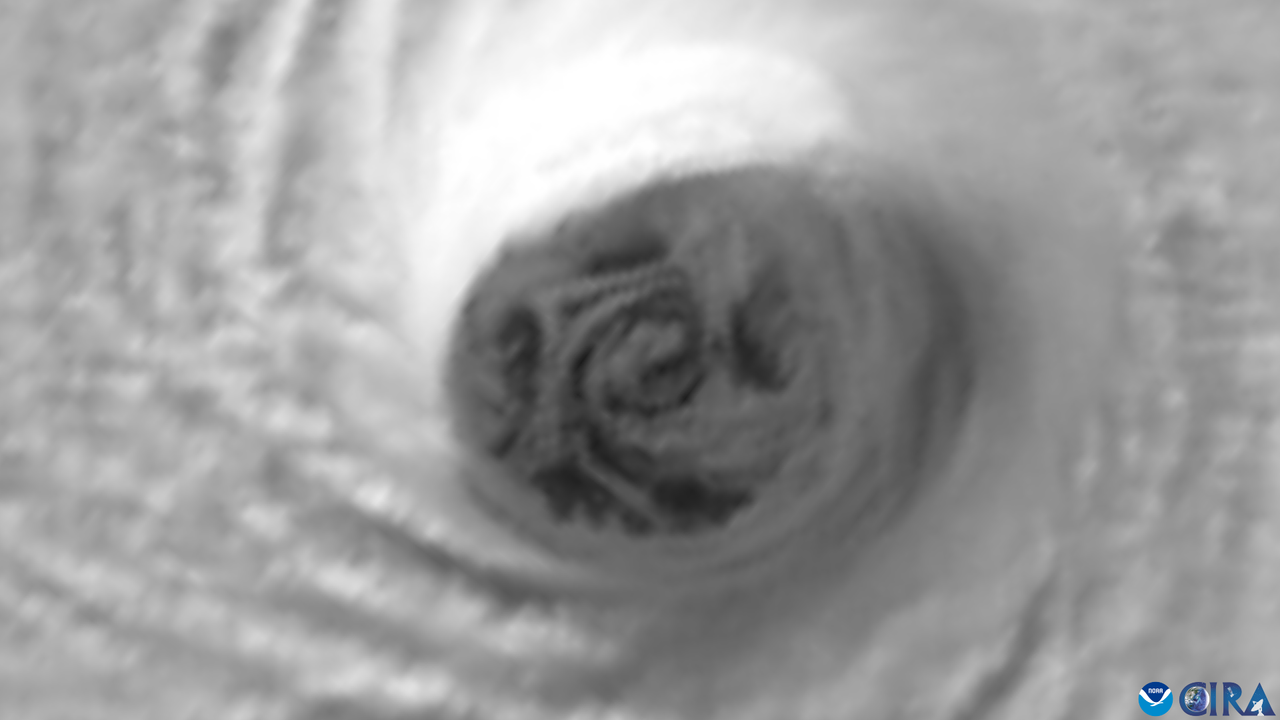
Satellite imagery has captured the destructive power of Hurricane Melissa, showcasing its rotation and the formation of “mesovortices” around its eye. The hurricane, which made landfall on October 28, 2023, devastated parts of the Caribbean with winds reaching up to 185 miles per hour (295 kilometers per hour). The National Oceanic and Atmospheric Administration (NOAA) confirmed that these small-scale rotational features emerge under conditions of significant differences in wind speed and direction.
As one of the most powerful Atlantic hurricanes on record, Hurricane Melissa’s impact has been severe. Emergency authorities reported at least four fatalities in southwest Jamaica, although the full extent of casualties remains unclear. Desmond McKenzie, deputy chair of Jamaica’s disaster risk management council, withheld further details on the death toll but acknowledged the widespread devastation. Approximately 72% of the island is without power, and 65% of mobile phone sites are non-operational.
Widespread Damage Across the Region
In addition to Jamaica, the storm has also affected neighboring countries. In Haiti, reports indicate that at least 25 people have died, with another 18 individuals reported missing due to severe flooding. The situation remains dire as emergency services continue to address the aftermath of the hurricane.
Cuba experienced a less intense impact, as Hurricane Melissa weakened to a Category 3 storm by the time it reached the island on October 29, 2023. While there have been no reported fatalities in Cuba, many communities are grappling with power outages and communication failures caused by downed transformers and power lines.
As of the morning of October 30, 2023, Hurricane Melissa has been downgraded to a Category 2 storm, with sustained winds of approximately 105 mph (169 kph). The storm is currently positioned about 515 miles (830 kilometers) southwest of Bermuda, which is under a hurricane warning as the storm continues to move across the Atlantic.
Climate Change and Storm Intensification
Experts assert that climate change is contributing to the increasing severity of storms like Melissa. Human-driven climate change has led to the intensification of extreme weather events, including hurricanes, raising concerns about future storms and their potential impact on coastal communities.
As recovery efforts begin, authorities are focused on restoring essential services and providing aid to those affected by Hurricane Melissa. The full extent of the damage will likely take time to assess, but the immediate need for power restoration and emergency support remains critical.

Woman Arrested for Threatening U-Haul Worker with Baton

Japan’s PM Takaichi Vows Urgent Fiscal Management Amid Rate Trends

Bitcoin Plummets Below $88K Amid Tether Concerns and Warnings

Tottenville Falls Short in PSAL 4A Title Game Against Erasmus

Shark Teeth Study Reveals Urgent Clues to Prevent Extinction

Church Members Rally Together After Thanksgiving Fire Devastation

U.S. Investment in Canadian Energy Firms Surges Despite Low Oil Prices

Nick Jonas Unveils New Solo Album ‘Sunday Best’ Set for February Release

Researchers Urge Label Changes for Low-Alcohol Drinks to Aid Pregnant Women

Urgent Update: Tom Aspinall’s Vision Deteriorates After UFC 321

MIT Scientists Uncover Surprising Genomic Loops During Cell Division

University of Hawaiʻi Joins $25.6M AI Project to Enhance Disaster Monitoring

AI Disruption: AWS Faces Threat as Startups Shift Cloud Focus

Time Crystals Revolutionize Quantum Computing Potential

Honeywell Forecasts Record Business Jet Deliveries Over Next Decade

Discover the Full Map of Pokémon Legends: Z-A’s Lumiose City

GOP Faces Backlash as Protests Surge Against Trump Policies

Parenthood Set to Depart Hulu: What Fans Need to Know
-
 Top Stories1 month ago
Urgent Update: Tom Aspinall’s Vision Deteriorates After UFC 321
-
 Health1 month ago
MIT Scientists Uncover Surprising Genomic Loops During Cell Division
-
Science4 weeks ago
University of Hawaiʻi Joins $25.6M AI Project to Enhance Disaster Monitoring
-
 Top Stories1 month ago
AI Disruption: AWS Faces Threat as Startups Shift Cloud Focus
-
 Science2 months ago
Time Crystals Revolutionize Quantum Computing Potential
-
 World2 months ago
Honeywell Forecasts Record Business Jet Deliveries Over Next Decade
-
 Entertainment1 month ago
Discover the Full Map of Pokémon Legends: Z-A’s Lumiose City
-
 Top Stories2 months ago
GOP Faces Backlash as Protests Surge Against Trump Policies
-
 Entertainment2 months ago
Parenthood Set to Depart Hulu: What Fans Need to Know
-

 Politics2 months ago
Judge Signals Dismissal of Chelsea Housing Case Citing AI Flaws
-

 Sports2 months ago
Yoshinobu Yamamoto Shines in Game 2, Leading Dodgers to Victory
-

 Health2 months ago
Maine Insurers Cut Medicare Advantage Plans Amid Cost Pressures