
Science
Tech Billionaires Invest in Controversial Gene-Editing Startup

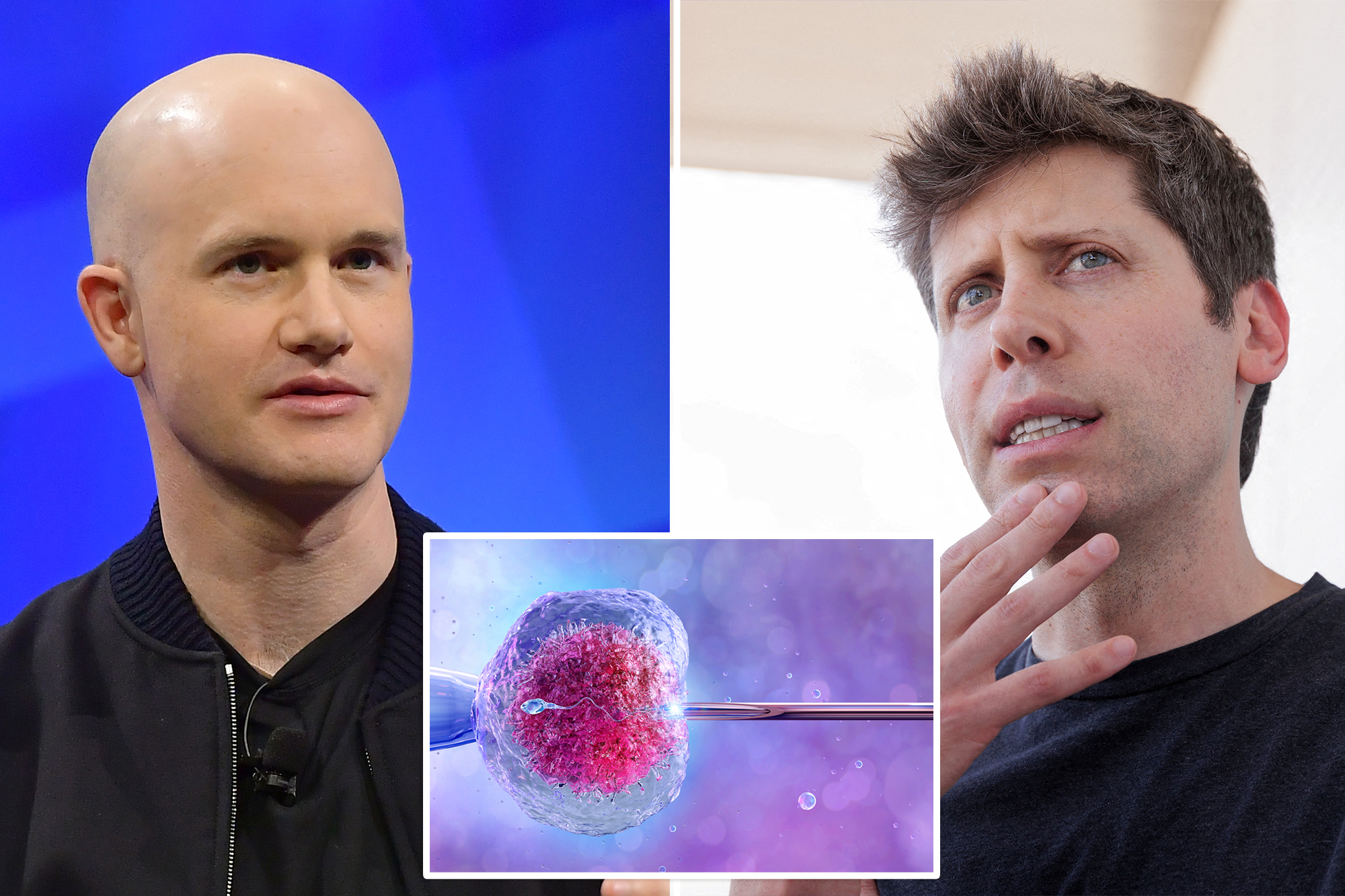
A Silicon Valley startup called Preventive is pursuing research into gene editing that could lead to the birth of genetically engineered babies, despite the practice being illegal in the United States and banned in many other countries. Backed by notable tech figures such as Sam Altman of OpenAI and Brian Armstrong of Coinbase, the company aims to eliminate hereditary diseases by altering human embryos prior to birth. This endeavor has sparked significant debate regarding its safety, ethics, and the potential for creating “designer babies,” as reported by the Wall Street Journal.
Founded in early 2023 by gene-editing scientist Lucas Harrington, Preventive has raised $30 million and established its headquarters in San Francisco. The company is focused on modifying embryos to prevent hereditary diseases and claims it aims to demonstrate the technology’s safety and transparency before any attempts to create genetically edited children. Among its early investors, Altman’s husband, Oliver Mulherin, has expressed his support, stating that the investment seeks to help families avoid genetic illnesses.
Armstrong, who has been an advocate for embryo editing, expressed enthusiasm for Preventive’s mission. He noted that correcting genetic defects in embryos is more effective than treating diseases later in life. Despite this, federal law currently prohibits the Food and Drug Administration (FDA) from approving applications for human trials involving genetically edited embryos for pregnancy.
Harrington clarified that Preventive is not preparing to implant edited embryos or working with any couples to do so. He emphasized that the company is dedicated to preclinical research focused on the safety of embryo editing, stating, “We are not trying to rush things. We are committed to transparency in our research and will publish our findings, whether positive or negative.”
As the discourse around gene editing evolves, sources familiar with Preventive’s operations revealed that the company has considered conducting research in foreign jurisdictions, such as the United Arab Emirates, where embryo editing might be allowed. Harrington indicated that such considerations stem from regulatory constraints in the U.S., rather than an intent to circumvent oversight.
Preventive describes itself as a public-benefit corporation, which legally allows it to prioritize social good alongside profit. Its charter outlines the responsible advancement of genome editing technologies applied before birth to benefit humanity. This mission evokes the controversy surrounding the 2018 actions of Chinese scientist He Jiankui, who created the first gene-edited babies, leading to his imprisonment for illegal medical practices. The long-term effects of those edits on the children remain uncertain.
The rise of Preventive coincides with an influx of investment into reproductive genetics from Silicon Valley. Other companies such as Manhattan Genomics, co-founded by biotech entrepreneur Cathy Tie, and California-based Bootstrap Bio are also investigating embryo editing. Both firms have faced scrutiny from bioethicists and regulators for considering trials outside the U.S.
Critics argue that commercializing embryo editing risks veering into eugenics. Fyodor Urnov, a director at the Innovative Genomics Institute at UC Berkeley, expressed skepticism about the intentions behind such ventures, stating, “They are either lying, delusional, or both.” He highlighted concerns that these initiatives may lead to “baby improvement” rather than addressing serious medical conditions.
Supporters of Preventive argue that the focus is strictly on medical applications rather than cosmetic enhancements. Harrington and his team assert that initial projects would target severe monogenic disorders like cystic fibrosis or sickle cell disease, particularly for parents with genetic mutations that hinder their chances of having healthy children through traditional in vitro fertilization (IVF).
The evolving landscape of gene editing continues to raise important ethical questions, and the involvement of high-profile investors amplifies the stakes. As discussions around Preventive’s mission unfold, the implications for future generations remain profound.

Bitcoin Plummets Below $88K Amid Tether Concerns and Warnings

Tottenville Falls Short in PSAL 4A Title Game Against Erasmus

Shark Teeth Study Reveals Urgent Clues to Prevent Extinction

Church Members Rally Together After Thanksgiving Fire Devastation

U.S. Investment in Canadian Energy Firms Surges Despite Low Oil Prices

Nick Jonas Unveils New Solo Album ‘Sunday Best’ Set for February Release

Researchers Urge Label Changes for Low-Alcohol Drinks to Aid Pregnant Women

Wedding Cookie Table Community Aims for World’s Largest Cookie Exchange

Mayor Appoints Alan Wong as New Supervisor for District 4

Urgent Update: Tom Aspinall’s Vision Deteriorates After UFC 321

MIT Scientists Uncover Surprising Genomic Loops During Cell Division

University of Hawaiʻi Joins $25.6M AI Project to Enhance Disaster Monitoring

AI Disruption: AWS Faces Threat as Startups Shift Cloud Focus

Time Crystals Revolutionize Quantum Computing Potential

Honeywell Forecasts Record Business Jet Deliveries Over Next Decade

Discover the Full Map of Pokémon Legends: Z-A’s Lumiose City

GOP Faces Backlash as Protests Surge Against Trump Policies

Parenthood Set to Depart Hulu: What Fans Need to Know
-
 Top Stories1 month ago
Urgent Update: Tom Aspinall’s Vision Deteriorates After UFC 321
-
 Health1 month ago
MIT Scientists Uncover Surprising Genomic Loops During Cell Division
-
Science4 weeks ago
University of Hawaiʻi Joins $25.6M AI Project to Enhance Disaster Monitoring
-
 Top Stories1 month ago
AI Disruption: AWS Faces Threat as Startups Shift Cloud Focus
-
 Science2 months ago
Time Crystals Revolutionize Quantum Computing Potential
-
 World2 months ago
Honeywell Forecasts Record Business Jet Deliveries Over Next Decade
-
 Entertainment1 month ago
Discover the Full Map of Pokémon Legends: Z-A’s Lumiose City
-
 Top Stories2 months ago
GOP Faces Backlash as Protests Surge Against Trump Policies
-
 Entertainment2 months ago
Parenthood Set to Depart Hulu: What Fans Need to Know
-

 Politics2 months ago
Judge Signals Dismissal of Chelsea Housing Case Citing AI Flaws
-

 Sports2 months ago
Yoshinobu Yamamoto Shines in Game 2, Leading Dodgers to Victory
-

 Health2 months ago
Maine Insurers Cut Medicare Advantage Plans Amid Cost Pressures