
Science
WNBA Faces Critical Negotiations as Players Demand Fair Pay

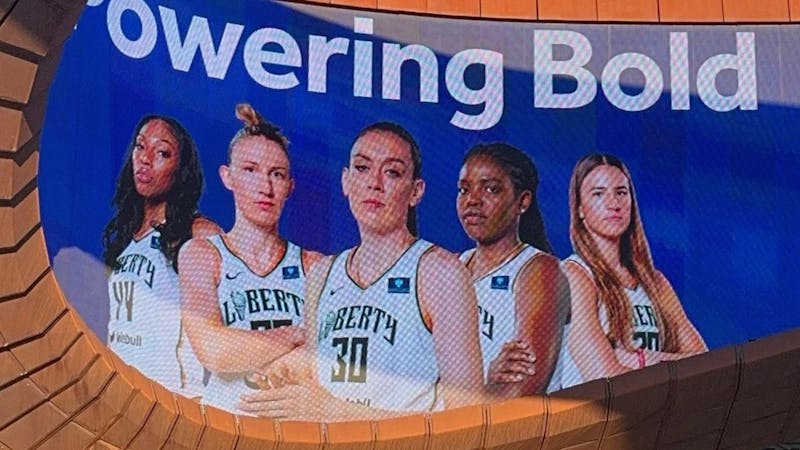
The Women’s National Basketball Association (WNBA) is at a pivotal moment as players push for equitable compensation amid a backdrop of significant league growth. With increased attendance and record-breaking viewership, players are now negotiating for a fair share of the revenue generated by the league. These discussions, however, have faced challenges, raising concerns of a potential work stoppage, either through a lockout or player strike, if an agreement is not reached.
Negotiations regarding the Collective Bargaining Agreement (CBA) are underway, with the current agreement initially set to last until 2027. The players opted out of this deal due to the league’s rapid expansion and feel that their salaries have not kept pace. According to Nneka Ogwumike, president of the Women’s National Basketball Players Association, “The players are still adamant that we get a percentage of revenue that grows with the business.” Currently, players receive approximately 9% of league income, with salaries accounting for under 7% of revenue, a stark contrast to their male counterparts in the NBA, who receive about 50% of basketball-related income.
As players seek to establish new equity-based compensation that aligns with the league’s success, they are also advocating for improved working conditions. These include demands for charter travel, enhanced safety measures, and better support services. The WNBA has encountered issues with officiating and leadership, prompting vocal criticism from players.
Napheesa Collier, a key player for the Minnesota Lynx and vice-president of the Players Association, has taken a stand. During the 2025 All-Star Game, she organized a demonstration wearing shirts that read “Pay Us What You Owe Us.” This act of solidarity highlighted players’ frustrations with their treatment and the current state of the league.
Tensions escalated further during the 2025 WNBA semifinals when Collier suffered a serious ankle injury. The Lynx’s head coach, Cheryl Reeve, was ejected and subsequently suspended after expressing frustration with officiating inconsistencies. Following this, Collier publicly addressed the league’s leadership, stating, “We have the best players in the world. We have the best fans in the world. But right now, we have the worst leadership in the world.”
She criticized the league’s management for what she described as “self-sabotage.” In a shocking revelation, Collier recounted a conversation with league commissioner Cathy Engelbert, in which Engelbert dismissed concerns about officiating by suggesting, “only the losers complain about the refs.” Collier also mentioned that Engelbert claimed players should be “on their knees” thanking her for the opportunities provided by the WNBA, particularly highlighting the financial success of emerging stars like Caitlin Clark.
The fallout from these comments has shifted public perception of Engelbert, with many players and fans expressing support for Collier. A’ja Wilson, the league’s MVP, voiced her frustration during a press conference, saying, “I was honestly disgusted by the comments that Cathy [Engelbert] made.” Support for Collier has spread across social media platforms, with players like Angel Reese praising her stance.
As discussions about salaries and player conditions continue, the urgency for change is palpable. Engelbert has responded to the backlash, emphasizing that she does not intend to resign. Yet, her presence was met with boos when she presented the championship trophy to the Las Vegas Aces, indicating widespread dissatisfaction with her leadership.
The WNBA stands at a crucial juncture. Players are not simply asking for higher wages; they are demanding respect for their contributions to the league. This moment in the WNBA transcends financial negotiations, symbolizing a broader movement for women in sports. The stakes are high, not just for current players, but for future generations of young girls aspiring to follow in their footsteps. The outcomes of these negotiations will shape the future of the league, impacting every girl who dreams of being the next basketball star, reinforcing that women’s basketball is more than a game—it is a movement aimed at inspiring and empowering.

Japan’s PM Takaichi Vows Urgent Fiscal Management Amid Rate Trends

Bitcoin Plummets Below $88K Amid Tether Concerns and Warnings

Tottenville Falls Short in PSAL 4A Title Game Against Erasmus

Shark Teeth Study Reveals Urgent Clues to Prevent Extinction

Church Members Rally Together After Thanksgiving Fire Devastation

U.S. Investment in Canadian Energy Firms Surges Despite Low Oil Prices

Nick Jonas Unveils New Solo Album ‘Sunday Best’ Set for February Release

Researchers Urge Label Changes for Low-Alcohol Drinks to Aid Pregnant Women

Wedding Cookie Table Community Aims for World’s Largest Cookie Exchange

Urgent Update: Tom Aspinall’s Vision Deteriorates After UFC 321

MIT Scientists Uncover Surprising Genomic Loops During Cell Division

University of Hawaiʻi Joins $25.6M AI Project to Enhance Disaster Monitoring

AI Disruption: AWS Faces Threat as Startups Shift Cloud Focus

Time Crystals Revolutionize Quantum Computing Potential

Honeywell Forecasts Record Business Jet Deliveries Over Next Decade

Discover the Full Map of Pokémon Legends: Z-A’s Lumiose City

GOP Faces Backlash as Protests Surge Against Trump Policies

Parenthood Set to Depart Hulu: What Fans Need to Know
-
 Top Stories1 month ago
Urgent Update: Tom Aspinall’s Vision Deteriorates After UFC 321
-
 Health1 month ago
MIT Scientists Uncover Surprising Genomic Loops During Cell Division
-
Science4 weeks ago
University of Hawaiʻi Joins $25.6M AI Project to Enhance Disaster Monitoring
-
 Top Stories1 month ago
AI Disruption: AWS Faces Threat as Startups Shift Cloud Focus
-
 Science2 months ago
Time Crystals Revolutionize Quantum Computing Potential
-
 World2 months ago
Honeywell Forecasts Record Business Jet Deliveries Over Next Decade
-
 Entertainment1 month ago
Discover the Full Map of Pokémon Legends: Z-A’s Lumiose City
-
 Top Stories2 months ago
GOP Faces Backlash as Protests Surge Against Trump Policies
-
 Entertainment2 months ago
Parenthood Set to Depart Hulu: What Fans Need to Know
-

 Politics2 months ago
Judge Signals Dismissal of Chelsea Housing Case Citing AI Flaws
-

 Sports2 months ago
Yoshinobu Yamamoto Shines in Game 2, Leading Dodgers to Victory
-

 Health2 months ago
Maine Insurers Cut Medicare Advantage Plans Amid Cost Pressures