
Top Stories
6 Essential Tips to Maximize Your NVMe SSD Performance NOW

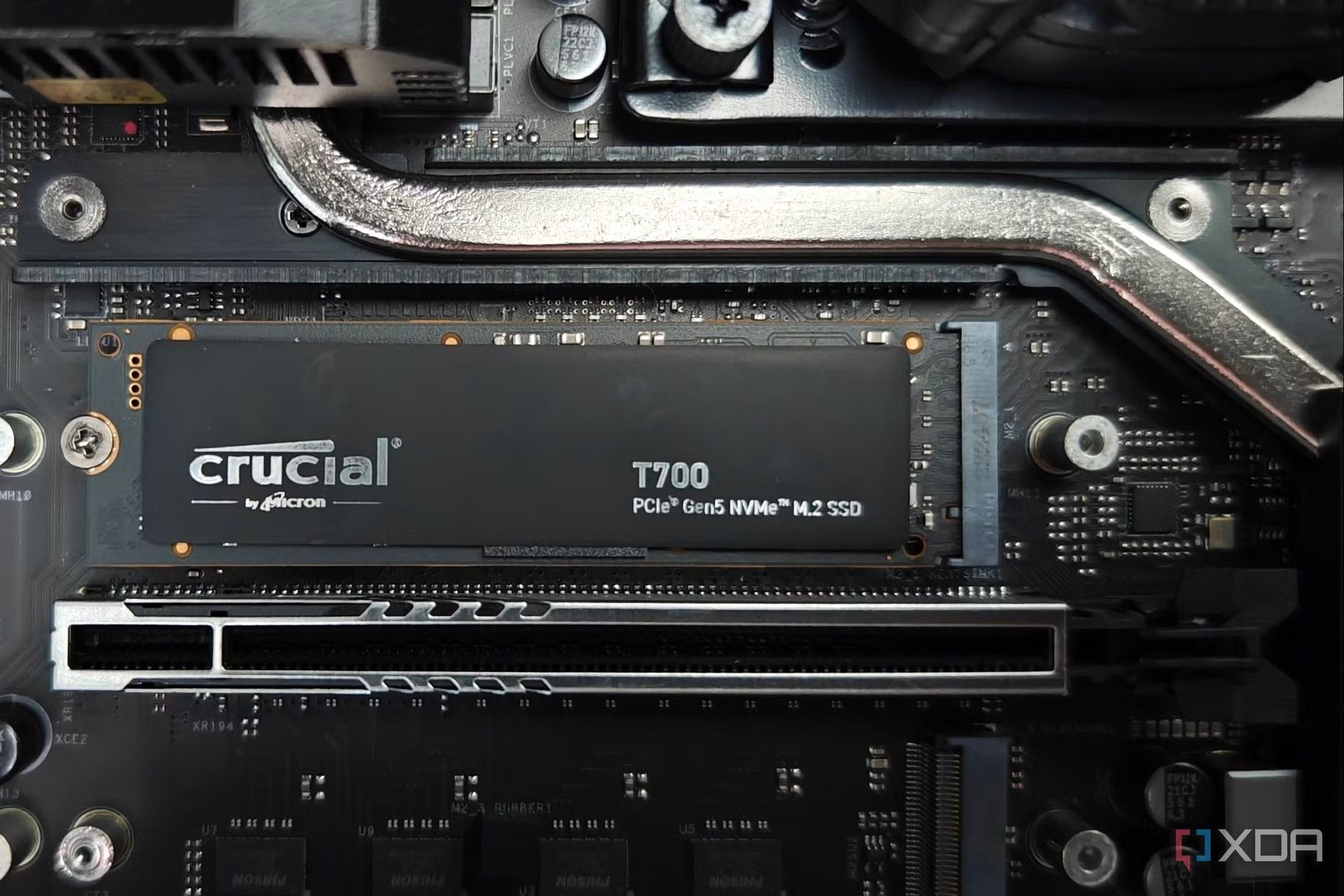
URGENT UPDATE: New guidance just released reveals critical strategies for maximizing the performance and lifespan of your NVMe SSD. As these ultra-fast storage solutions become standard in modern systems, it’s vital to ensure they operate at peak efficiency.
NVMe SSDs are revolutionizing data storage, boasting lightning-fast response times that outpace traditional SATA SSDs and HDDs. However, these advanced drives still require routine care to avoid performance degradation and potential data loss. Here are six essential tips you need to implement immediately to keep your NVMe SSD in optimal condition.
Keep TRIM Enabled for Optimal Performance
One of the most effective ways to maintain your NVMe SSD is by ensuring that TRIM is enabled. This command allows your operating system to inform the SSD which data blocks are no longer in use, preventing clutter that can slow down performance. To check if TRIM is active on your Windows system, open Command Prompt and enter fsutil behavior query DisableDeleteNotify. If the output is 0, TRIM is enabled. If it’s 1, run fsutil behavior set DisableDeleteNotify 0 to activate it.
Maintain Free Space: 10-20% Rule
Another crucial practice is to always leave 10-20% of your NVMe SSD free. Unlike traditional hard drives, SSDs need this space to manage data efficiently. Filling the drive to capacity can force it to write and erase the same blocks repeatedly, leading to faster wear. Aim to keep your SSD below 80% capacity to ensure longevity and consistent performance.
Monitor and Control Temperature
High temperatures can severely impact your SSD’s performance. If your NVMe drive exceeds 70°C, it may throttle its speed to avoid damage. Regularly check your drive’s temperature using free tools like CrystalDiskInfo. If overheating occurs, consider adding heatsinks or improving your case’s airflow to keep temperatures down.
Defragmenting is NOT Your Friend
While defragmenting was once a crucial maintenance task for HDDs, it does not apply to SSDs. In fact, defragmenting can shorten the lifespan of your SSD by unnecessarily adding write cycles. Windows typically manages SSD optimization automatically, so let it do its job and avoid manual defragmentation.
Avoid Heavy Write Workloads
Heavy write workloads can accelerate wear on SSDs, as they have a limited number of write cycles. For users engaged in data-intensive tasks—like video editing or coding—consider offloading temporary files and downloads to secondary storage drives. This will help extend the life of your primary NVMe SSD.
Regular Health Monitoring is Key
Finally, make it a habit to regularly monitor your NVMe SSD’s health. Use tools like CrystalDiskInfo or Samsung Magician to check metrics such as total writes, temperature, and SMART status. This proactive approach will help you catch potential issues early, allowing you to safeguard your data effectively.
As NVMe SSDs continue to dominate the storage landscape, following these six practices will ensure you get the most out of your investment. With minimal maintenance, you can enjoy the speed and efficiency of your NVMe drive for years to come.
Don’t wait—implement these tips NOW to enhance your NVMe SSD performance and longevity!

Urgent: Vehicle Fire Closes Two Lanes on I-215 in Salt Lake City

Knicks Dominate Raptors 116-94, Extend Home Winning Streak

Hallmark’s ‘Christmas at the Catnip Café’ Premieres Tonight

Woman Arrested for Threatening U-Haul Worker with Baton

Japan’s PM Takaichi Vows Urgent Fiscal Management Amid Rate Trends

Bitcoin Plummets Below $88K Amid Tether Concerns and Warnings

Tottenville Falls Short in PSAL 4A Title Game Against Erasmus

Shark Teeth Study Reveals Urgent Clues to Prevent Extinction

Church Members Rally Together After Thanksgiving Fire Devastation

Urgent Update: Tom Aspinall’s Vision Deteriorates After UFC 321

MIT Scientists Uncover Surprising Genomic Loops During Cell Division

University of Hawaiʻi Joins $25.6M AI Project to Enhance Disaster Monitoring

AI Disruption: AWS Faces Threat as Startups Shift Cloud Focus

Time Crystals Revolutionize Quantum Computing Potential

Honeywell Forecasts Record Business Jet Deliveries Over Next Decade

Discover the Full Map of Pokémon Legends: Z-A’s Lumiose City

GOP Faces Backlash as Protests Surge Against Trump Policies

Parenthood Set to Depart Hulu: What Fans Need to Know
-
 Top Stories1 month ago
Urgent Update: Tom Aspinall’s Vision Deteriorates After UFC 321
-
 Health1 month ago
MIT Scientists Uncover Surprising Genomic Loops During Cell Division
-
Science4 weeks ago
University of Hawaiʻi Joins $25.6M AI Project to Enhance Disaster Monitoring
-
 Top Stories1 month ago
AI Disruption: AWS Faces Threat as Startups Shift Cloud Focus
-
 Science2 months ago
Time Crystals Revolutionize Quantum Computing Potential
-
 World2 months ago
Honeywell Forecasts Record Business Jet Deliveries Over Next Decade
-
 Entertainment1 month ago
Discover the Full Map of Pokémon Legends: Z-A’s Lumiose City
-
 Top Stories2 months ago
GOP Faces Backlash as Protests Surge Against Trump Policies
-
 Entertainment2 months ago
Parenthood Set to Depart Hulu: What Fans Need to Know
-

 Politics2 months ago
Judge Signals Dismissal of Chelsea Housing Case Citing AI Flaws
-

 Sports2 months ago
Yoshinobu Yamamoto Shines in Game 2, Leading Dodgers to Victory
-

 Health2 months ago
Maine Insurers Cut Medicare Advantage Plans Amid Cost Pressures