
Top Stories
Chicago Subway System Celebrates Milestone: First 5 Miles Opened

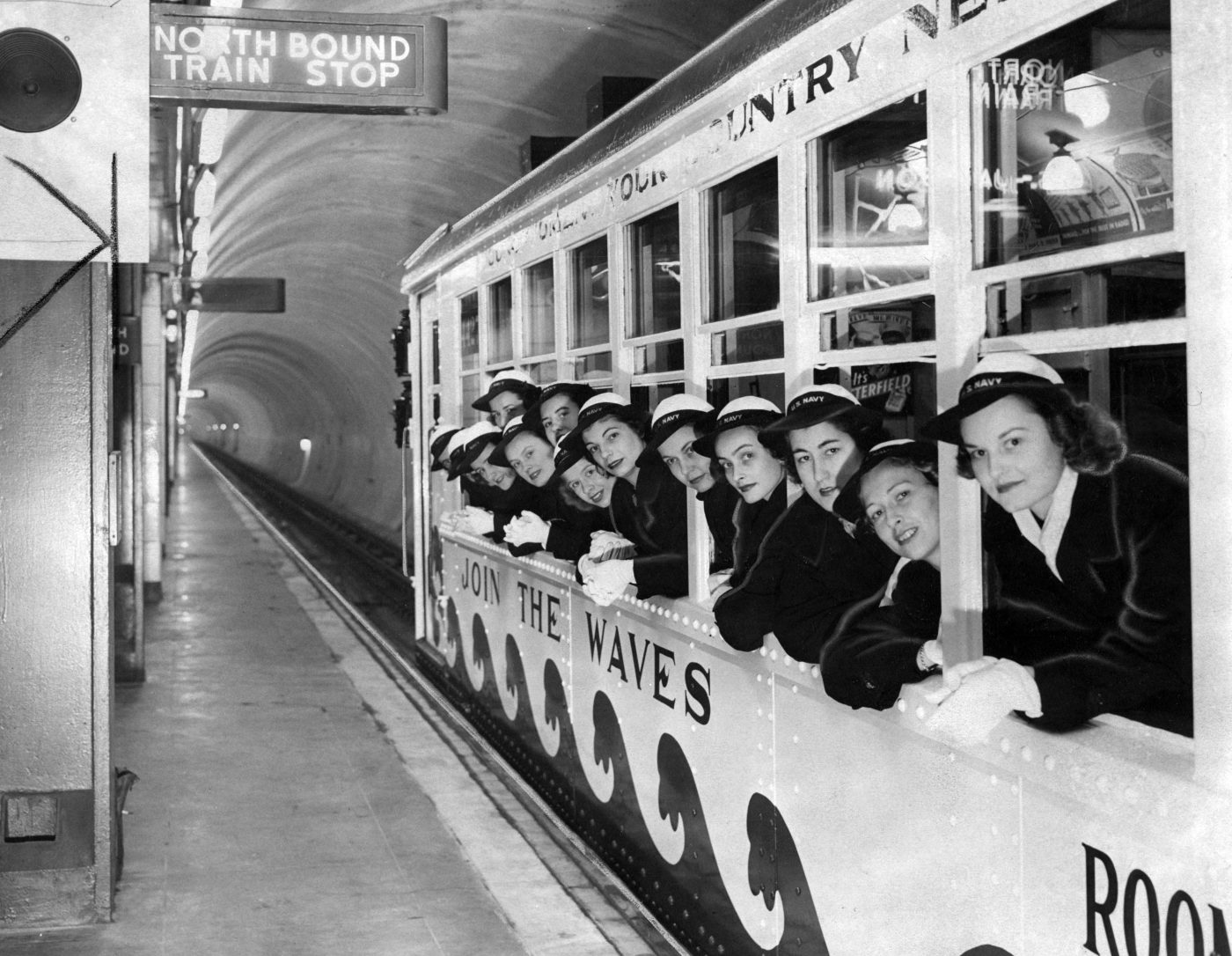
UPDATE: Today marks the anniversary of a pivotal moment in Chicago’s transportation history as the city’s first subway system officially opened on October 16, 1943. A grand celebration unfolded with a parade along State Street, led by Mayor Edward J. Kelly, who cut a red, white, and blue ribbon to inaugurate the 4.9-mile stretch of underground transit.
This milestone is not just a historical footnote; it transformed how Chicagoans navigate their bustling city. Initially, the ride cost a mere 10 cents, symbolizing a new era of urban commuting that promised efficiency and accessibility.
As we reflect on the subway’s opening, today’s developments in public transportation remind us of the ongoing evolution of city infrastructure. The subway has become a crucial lifeline for millions, illustrating the importance of sustainable transit solutions in combating traffic congestion and pollution.
In addition to the subway’s opening, October 16 has been a significant date in Chicago history for various reasons. In 2005, the Chicago White Sox secured their first American League pennant since 1959, clinching a 6-3 victory against the Los Angeles Angels. This win marked a historic moment, reigniting city pride in its sports teams.
Tragedy also struck this date in 1955, when three boys—brothers John and Anton Schuessler and their friend Robert Peterson—went missing after a trip to see a movie in the Loop. Their bodies were discovered two days later, a heartbreaking event that shocked the community and highlighted issues of safety for children in urban environments.
In 2011, the city witnessed a significant police action as authorities arrested 175 Occupy Chicago protesters in Congress Plaza around 1 a.m.. This event underscored the growing movement for social justice and economic reform, reflecting the city’s vibrant civic engagement.
Looking ahead, the legacy of the subway system continues to shape discussions around urban development, with potential expansions and improvements on the horizon. As Chicagoans celebrate this historical achievement, the city remains focused on innovating its public transport to meet the needs of a growing population.
Stay tuned for more updates on how these historical events are influencing current developments in Chicago.

Tottenville Falls Short in PSAL 4A Title Game Against Erasmus

Shark Teeth Study Reveals Urgent Clues to Prevent Extinction

Church Members Rally Together After Thanksgiving Fire Devastation

U.S. Investment in Canadian Energy Firms Surges Despite Low Oil Prices

Nick Jonas Unveils New Solo Album ‘Sunday Best’ Set for February Release

Researchers Urge Label Changes for Low-Alcohol Drinks to Aid Pregnant Women

Wedding Cookie Table Community Aims for World’s Largest Cookie Exchange

Mayor Appoints Alan Wong as New Supervisor for District 4

UK Report Reveals Growing Role of AI in University Research Assessments

Urgent Update: Tom Aspinall’s Vision Deteriorates After UFC 321

MIT Scientists Uncover Surprising Genomic Loops During Cell Division

University of Hawaiʻi Joins $25.6M AI Project to Enhance Disaster Monitoring

AI Disruption: AWS Faces Threat as Startups Shift Cloud Focus

Time Crystals Revolutionize Quantum Computing Potential

Honeywell Forecasts Record Business Jet Deliveries Over Next Decade

Discover the Full Map of Pokémon Legends: Z-A’s Lumiose City

GOP Faces Backlash as Protests Surge Against Trump Policies

Parenthood Set to Depart Hulu: What Fans Need to Know
-
 Top Stories1 month ago
Urgent Update: Tom Aspinall’s Vision Deteriorates After UFC 321
-
 Health1 month ago
MIT Scientists Uncover Surprising Genomic Loops During Cell Division
-
Science4 weeks ago
University of Hawaiʻi Joins $25.6M AI Project to Enhance Disaster Monitoring
-
 Top Stories1 month ago
AI Disruption: AWS Faces Threat as Startups Shift Cloud Focus
-
 Science2 months ago
Time Crystals Revolutionize Quantum Computing Potential
-
 World2 months ago
Honeywell Forecasts Record Business Jet Deliveries Over Next Decade
-
 Entertainment1 month ago
Discover the Full Map of Pokémon Legends: Z-A’s Lumiose City
-
 Top Stories2 months ago
GOP Faces Backlash as Protests Surge Against Trump Policies
-
 Entertainment2 months ago
Parenthood Set to Depart Hulu: What Fans Need to Know
-

 Politics2 months ago
Judge Signals Dismissal of Chelsea Housing Case Citing AI Flaws
-

 Sports2 months ago
Yoshinobu Yamamoto Shines in Game 2, Leading Dodgers to Victory
-

 Health2 months ago
Maine Insurers Cut Medicare Advantage Plans Amid Cost Pressures