
Top Stories
DOGE Disbanded: Federal Spending Cuts Fall Short, Experts Warn

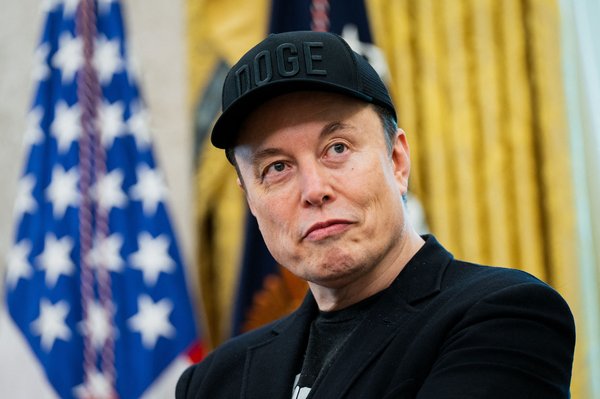
UPDATE: The Department of Government Efficiency, known as DOGE, has officially disbanded, just days after reports revealed its lack of impact on federal spending cuts. New reports confirm that DOGE ceased operations, failing in its mission to significantly reduce government expenditures.
On September 24, 2023, Reuters reported that DOGE, once seen as a key player in the Trump administration’s efforts to streamline federal spending, is no longer functioning as a unified entity. Scott Kupar, head of the U.S. Office of Personnel Management, stated that while DOGE’s centralized leadership has disappeared, its principles will continue to influence federal agencies.
“The truth is: DOGE may not have centralized leadership under @USDS,”
Kupar wrote in a social media post.
“But, the principles of DOGE remain alive and well: de-regulation; eliminating fraud, waste and abuse; reshaping the federal workforce; making efficiency a first-class citizen.”
Originally launched by Elon Musk as a bold initiative to tackle wasteful spending, DOGE’s influence dwindled after a public fallout between Musk and Donald Trump earlier this year. The group, which had the authority to issue layoff notices and terminate contracts, never regained the momentum it once held.
Despite its claims of achieving $214 billion in savings, experts have challenged these figures, suggesting they are inflated and inaccurate. Critics like Jessica Riedl from the Brookings Institution labeled the organization as “spending cut theatre,” emphasizing its failure to address the root causes of the federal deficit associated with entitlement programs like Social Security and Medicare.
The Congressional Budget Office revealed that discretionary spending accounted for approximately 26% of the federal budget last year, highlighting the uphill battle against entrenched spending habits.
Bobby Kogan, senior director of federal budget policy at the Center for American Progress Action Fund, stated,
“Difficult to overstate how profound a failure DOGE was.”
He pointed out that overall government spending is projected to rise in the 2025 fiscal year, contradicting DOGE’s original mission.
In a significant workforce shift, Kupar noted that the federal government plans to reduce its workforce by around 300,000 employees this year, which equates to one in eight civilian government jobs. While some employees have returned to their positions, the ramifications of DOGE’s disbandment are already being felt across federal agencies.
While Musk may have stepped back from direct involvement with DOGE, he remains active in U.S. politics. Recently, he attended a dinner with Saudi Crown Prince Mohammed Bin-Salman at the White House, indicating his continued influence in political circles.
As the fallout from DOGE’s disbandment continues to unfold, experts are calling for a reevaluation of federal spending strategies. The implications of this development may resonate for years to come, emphasizing the need for effective governance and accountability in federal expenditures.
Stay tuned for more updates on this developing story as we monitor the impact of DOGE’s disbandment on federal spending and workforce dynamics.

ECB’s de Guindos Confirms Interest Rates Will Remain Steady

Zacks Research Lowers Earnings Forecast for Avanos Medical

“All’s Fair Season 1 Episode 7 Arrives December 2 on Hulu”

Rolette Record Transitions Ownership to Cando Editors in 1929 Sale

Bregman Seeks Debate Stage with Haaland in Gubernatorial Race

University of Arizona Research Reveals Key to Preventing Fibrosis

Rolette Record Sold to Cando Owners, New Era Begins

Urgent Fire Erupts at Indigo Apartments in NW OKC, Residents Fearful

Arlene Hartman, Beloved Community Figure, Passes Away at 87

Urgent Update: Tom Aspinall’s Vision Deteriorates After UFC 321

MIT Scientists Uncover Surprising Genomic Loops During Cell Division

University of Hawaiʻi Joins $25.6M AI Project to Enhance Disaster Monitoring

AI Disruption: AWS Faces Threat as Startups Shift Cloud Focus

Time Crystals Revolutionize Quantum Computing Potential

Honeywell Forecasts Record Business Jet Deliveries Over Next Decade

Discover the Full Map of Pokémon Legends: Z-A’s Lumiose City

GOP Faces Backlash as Protests Surge Against Trump Policies

Parenthood Set to Depart Hulu: What Fans Need to Know
-
 Top Stories1 month ago
Urgent Update: Tom Aspinall’s Vision Deteriorates After UFC 321
-
 Health1 month ago
MIT Scientists Uncover Surprising Genomic Loops During Cell Division
-
Science4 weeks ago
University of Hawaiʻi Joins $25.6M AI Project to Enhance Disaster Monitoring
-
 Top Stories1 month ago
AI Disruption: AWS Faces Threat as Startups Shift Cloud Focus
-
 Science2 months ago
Time Crystals Revolutionize Quantum Computing Potential
-
 World2 months ago
Honeywell Forecasts Record Business Jet Deliveries Over Next Decade
-
 Entertainment1 month ago
Discover the Full Map of Pokémon Legends: Z-A’s Lumiose City
-
 Top Stories2 months ago
GOP Faces Backlash as Protests Surge Against Trump Policies
-
 Entertainment2 months ago
Parenthood Set to Depart Hulu: What Fans Need to Know
-

 Politics2 months ago
Judge Signals Dismissal of Chelsea Housing Case Citing AI Flaws
-

 Sports2 months ago
Yoshinobu Yamamoto Shines in Game 2, Leading Dodgers to Victory
-

 Health2 months ago
Maine Insurers Cut Medicare Advantage Plans Amid Cost Pressures